- why-roof-age-matters-for-insurance
- how-insurers-evaluate-roof-condition
- impact-of-roof-age-on-premiums
- older-roofs-and-coverage-limitations
- roof-maintenance-and-insurance-savings
- choosing-the-right-roofing-solutions
Why Roof Age Matters When Buying Home Insurance
Many homeowners focus on the size, location, and value of their property when choosing home insurance, but one important factor often receives less attention: the age of the roof. Understanding how roof age affects home insurance coverage and premiums can help homeowners make smarter decisions about maintenance, repairs, and long-term property costs.
The roof is one of the most important protective systems of a home. It shields the interior from rain, snow, wind, hail, and extreme temperatures. Because roof damage can lead to expensive structural problems, insurance companies carefully evaluate roof condition before determining coverage options and pricing.
A newer roof generally represents lower risk for insurers because it is less likely to fail unexpectedly. In contrast, an aging roof may increase the possibility of leaks, storm damage, and costly claims. This difference in risk can directly influence insurance premiums and policy terms.
1. Why Insurance Companies Pay Attention to Roof Lifespan
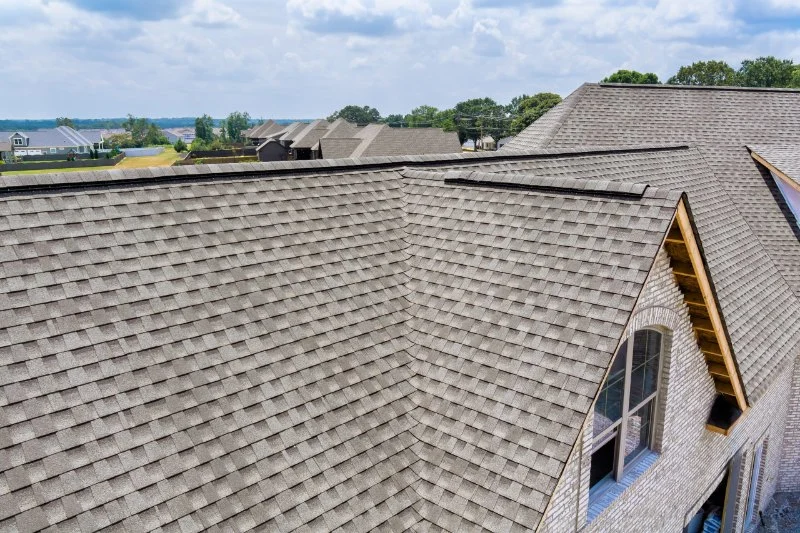
Roofing materials naturally deteriorate over time. Asphalt shingles, one of the most common roofing materials in the United States, typically have a limited service life depending on quality, climate conditions, and maintenance habits.
Insurance providers consider roof age because older materials may not perform as well during severe weather events. A roof that has already experienced years of sun exposure, temperature changes, and storms may have a higher chance of requiring repairs after an incident.
For example, a homeowner with a 5-year-old roof damaged by a major hailstorm may have a different insurance experience compared with a homeowner whose roof is 25 years old and already showing signs of wear.
2. The Connection Between Roof Risk and Insurance Costs
Home insurance premiums are largely based on risk assessment. When insurers believe a property has a higher chance of generating expensive claims, they may adjust pricing accordingly.
An older roof does not automatically mean a homeowner cannot receive coverage, but it may affect:
- Premium pricing
- Available coverage options
- Deductible requirements
- Roof replacement reimbursement terms
Understanding these factors allows homeowners to plan ahead instead of waiting until an insurance renewal creates unexpected changes.
How Insurance Companies Evaluate Roof Condition
When determining coverage, insurers typically look beyond the roof’s installation date. They consider the overall condition, materials, maintenance history, and potential replacement cost.
1. Roof Age Inspection During Policy Review
Many insurance companies request information about the roof’s age when a homeowner applies for coverage. Some may require an inspection, especially for older properties.
During an inspection, professionals may examine:
- Missing or damaged shingles
- Signs of leaks or moisture problems
- Roof sagging or structural concerns
- Previous repairs
- Overall material condition
A roof that is older but well maintained may receive a more favorable assessment than a newer roof with poor installation or visible damage.
2. Roof Materials Influence Insurance Decisions
Not all roofs age at the same rate. Insurance providers often consider the type of roofing material installed on the home.
For example, metal roofing, slate roofing, and some premium materials may have longer expected lifespans compared with traditional asphalt shingles. However, the initial cost, repair availability, and local weather conditions also influence how insurers evaluate these materials.
3. Geographic Location and Climate Factors
A roof in Florida, Texas, or coastal areas may experience different challenges compared with a roof in a mild climate. Strong winds, hurricanes, hailstorms, heavy snowfall, and intense sunlight can accelerate roof deterioration.
Because weather exposure varies significantly across regions, insurers often combine roof age with local environmental risks when calculating coverage decisions.
How Roof Age Can Affect Home Insurance Premiums
One of the most common questions homeowners ask is whether an older roof automatically leads to higher insurance costs. The answer depends on the insurer, location, roof condition, and policy details.
1. Newer Roofs May Reduce Insurance Risk
A recently installed roof can demonstrate that a homeowner has invested in protecting the property. Because newer roofs are less likely to fail, some insurers may view them as lower-risk features.
In some situations, homeowners may qualify for better insurance pricing after replacing an aging roof, especially if the new roof includes impact-resistant or weather-resistant materials.
2. Older Roofs May Increase Premium Concerns
As roofs approach the end of their expected lifespan, insurance companies may become more cautious. They may increase premiums, limit certain types of coverage, or request repairs before continuing full protection.
For example, a homeowner named Michael purchased a house with a 22-year-old roof. Although the roof appeared functional, his insurer required documentation about its condition before approving coverage. After replacing the roof, Michael not only improved his home’s protection but also had fewer concerns during policy renewal.
3. Replacement Cost vs Actual Cash Value Coverage
Another important factor is how the insurance policy handles roof damage claims. Some policies provide replacement cost coverage, while others consider depreciation based on the roof’s age.
This means an older roof may receive a smaller payout because insurers account for the reduced remaining value of aging materials.
Why Older Roofs May Have Coverage Limitations
As a roof gets older, some insurance companies may modify coverage terms. This does not mean every older roof becomes uninsurable, but homeowners should understand possible limitations.
1. Reduced Protection for Aging Materials
Some policies may limit coverage for roofs beyond a certain age. For example, an insurer may only cover damage caused by specific events or may reduce reimbursement based on depreciation.
Homeowners should carefully review policy documents to understand what protection remains available.
2. Required Repairs Before Renewal
Insurance companies sometimes request roof repairs or replacement before renewing a policy. This typically happens when inspections reveal significant problems that could create future claims.
Common issues that may trigger concerns include:
- Extensive shingle deterioration
- Repeated leaks
- Visible storm damage
- Poor previous repairs
3. The Importance of Documentation
Keeping records of roof maintenance, repairs, and inspections can help homeowners communicate with insurance providers.
Photos, contractor invoices, inspection reports, and replacement records provide evidence that the roof has been properly maintained.
How Roof Maintenance Can Protect Your Coverage
Although roof age is important, maintenance plays a major role in how insurers view risk. A well-maintained roof can continue providing protection long after installation.
1. Schedule Regular Roof Inspections
Routine inspections help identify small problems before they become expensive repairs. Missing shingles, damaged flashing, and minor leaks are easier and less costly to address when discovered early.
2. Repair Problems Quickly
Delaying roof repairs can create larger issues. A small leak may eventually damage insulation, ceilings, electrical systems, and interior structures.
Insurance companies generally prefer homeowners who actively maintain their property because preventive care reduces the likelihood of major claims.
3. Keep Your Roof Ready for Severe Weather
Storm preparation is especially important in areas affected by hurricanes, tornadoes, hail, or heavy snow. Strengthening vulnerable areas and maintaining drainage systems can improve roof performance during extreme conditions.
Choosing the Right Roofing Solutions for Long-Term Protection
When homeowners consider the relationship between roof age and insurance costs, replacing an aging roof is not only about appearance. It is an investment in property protection, energy efficiency, and financial stability.
Homeowners researching roofing materials, repairs, inspections, or replacement options can explore professional guidance through Total Roofing Hub to find solutions that match their property needs.
1. Knowing When Roof Replacement Makes Sense
Replacing a roof may be worthwhile when repair costs become frequent or when the roof is approaching the end of its expected lifespan.
Signs that replacement may be necessary include:
- Widespread shingle damage
- Frequent leaks
- Visible aging throughout the roof surface
- Increasing insurance concerns
2. Investing in Roofing Improvements
Modern roofing upgrades can improve durability and may provide additional benefits. Some materials offer better resistance against wind, impact, and temperature changes.
Choosing quality materials and professional installation can help homeowners maintain stronger insurance protection over time.
3. Planning Ahead Instead of Reacting
The best time to think about roof replacement is before a major failure occurs. Homeowners who monitor roof age and condition can make informed financial decisions rather than facing emergency repairs.
Understanding how roof age affects home insurance coverage and premiums gives homeowners greater control over one of the largest protective systems of their property. A properly maintained roof can improve safety, reduce unexpected costs, and support better insurance outcomes for years to come.

 Alexander Roofing LLC5.0 (17 reviews)
 Snow's Building & Construction5.0 (2 reviews)
 United Home Painting and Roofing5.0 (23 reviews)
 Gentle Giant Roofing5.0 (11 reviews)
 MTS Siding and Roofing LLC4.0 (6 reviews)
 All Aspects Roofing & Construction5.0 (26 reviews)
 The Best Roofing Materials for Cold Climates – Top Choices for Winter Protection
 htmlCopy codeBest Roof Solutions for Urban Homes vs Rural Homes
 How to Maintain Your Siding Year Round: Essential Tips for Longevity
 Top 10 Signs Your Roof Needs Immediate Repair | Roofing Guide for U.S. Homeowners
 Everything You Need to Know About Roof Warranties – Types, Coverage, and Claims
 What to Know About Roof Replacement During Real Estate Sale: Key Insights