- Roof-Performance-Overview - Understanding long-term roofing durability
- Routine-Inspection-and-Maintenance - Key steps for consistent care
- Weather-and-Environmental-Factors - Protecting your roof from natural stress
- Common-Roof-Issues-and-Troubleshooting - Identifying and addressing problems early
- Professional-Services-and-Advanced-Solutions - When and how to engage experts
- Practical-Case-Studies - Real-life examples of maintained roof performance
1. Understanding Long-Term Roofing Durability
Maintaining roof performance over the years begins with understanding the factors that influence its lifespan. Roofs, whether residential or commercial, are exposed to constant stress from weather, temperature changes, and environmental debris. Selecting durable materials and applying correct installation techniques are foundational for long-term performance.
Modern roofing technologies, available through sources such as Total Roofing Hub, include high-performance shingles, reflective coatings, and advanced waterproofing systems. These innovations not only extend lifespan but also reduce energy costs and enhance structural protection.
2. Routine Inspection and Maintenance
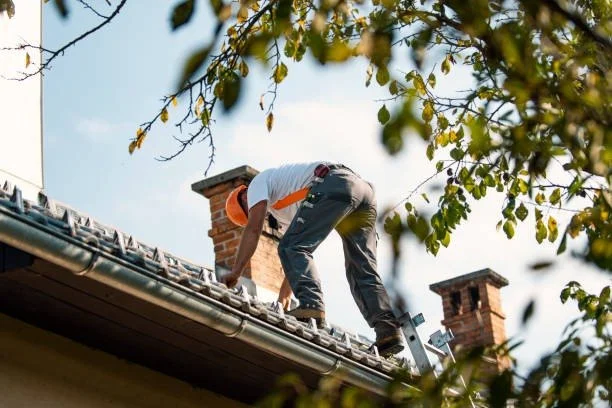
Regular inspections are the most critical aspect of maintaining your roof. A comprehensive inspection should be conducted at least twice a year, ideally in spring and fall, and after significant weather events such as storms or heavy snowfall.
2.1 Visual Roof Checks
Start with a visual assessment from the ground, looking for signs of wear such as missing shingles, curling edges, discoloration, or debris accumulation. For flat roofs, check for standing water or unusual surface textures.
2.2 Gutter and Drain Maintenance
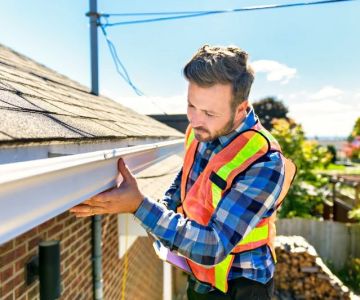
Clogged gutters can lead to water pooling and premature roof degradation. Cleaning gutters and downspouts ensures proper drainage, preventing leaks and structural damage.
2.3 Minor Repairs
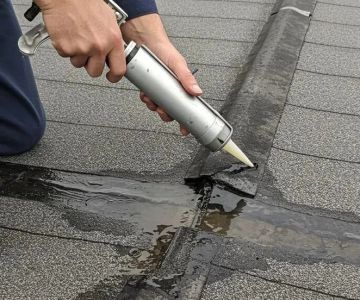
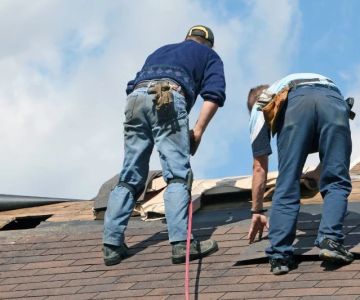
Address small issues promptly to avoid expensive repairs. Replace missing shingles, patch small leaks, and secure flashing around chimneys and vents. Preventive repair work reduces the likelihood of major performance loss over time.
3. Weather and Environmental Factors
Your roof’s performance is heavily influenced by local climate and environmental conditions. Extreme heat, freezing temperatures, and heavy rainfall can accelerate deterioration if proper precautions are not taken.
3.1 UV Protection
Exposure to ultraviolet light can weaken roofing materials. Applying reflective coatings or using UV-resistant shingles can mitigate damage and prolong lifespan.
3.2 Moisture Management
Proper ventilation and insulation reduce condensation, preventing mold growth and structural weakening. Additionally, inspecting for water infiltration during and after storms ensures early detection of potential leaks.
3.3 Environmental Debris
Trees, leaves, and branches can accumulate and damage roofing materials over time. Regular cleaning and trimming surrounding vegetation minimize these risks.
4. Common Roof Issues and Troubleshooting
Even with diligent care, roofs can develop issues. Recognizing early warning signs is crucial for maintaining long-term performance.
4.1 Shingle Damage
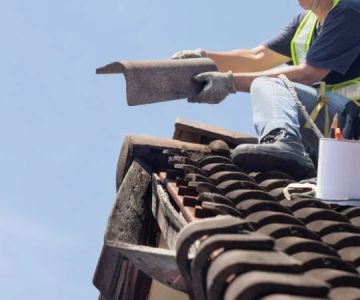
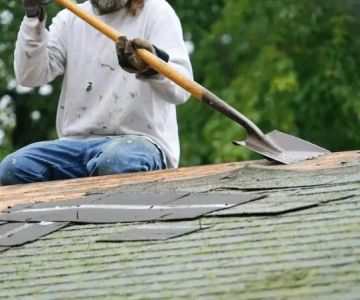
Wind, hail, and temperature fluctuations can cause shingles to crack or detach. Replacing damaged shingles promptly prevents water penetration and subsequent structural damage.
4.2 Leaks and Water Intrusion
Leaks often start small but can quickly escalate. Identify leaks by checking for water stains on ceilings, wet insulation, or damp walls. Quick action with patching or professional intervention reduces further damage.
4.3 Flashing and Sealant Deterioration
Flashing around chimneys, vents, and skylights can corrode or shift, compromising waterproofing. Re-sealing or replacing deteriorated flashing helps preserve roof integrity.
5. Professional Services and Advanced Solutions
Engaging certified roofing professionals ensures your roof receives expert care. Routine maintenance contracts, advanced inspections, and repair services extend roof life and performance.
5.1 When to Engage Professionals
Situations such as major leaks, structural concerns, or complex roof designs require professional assessment. Experts provide advanced diagnostic tools, including infrared scanning and drone inspections.
5.2 Long-Term Maintenance Plans
Many roofing companies offer scheduled maintenance programs. These plans include periodic inspections, cleaning, minor repairs, and recommendations for materials upgrades. Platforms like Total Roofing Hub help homeowners and commercial property managers identify reliable providers for ongoing maintenance.
6. Practical Case Studies
Consider a commercial property in Florida where high humidity and frequent storms posed challenges. By implementing a proactive maintenance schedule that included semi-annual inspections, gutter cleaning, and UV-resistant coating applications, the property maintained peak roof performance for over 15 years, avoiding costly replacements.
Similarly, a residential property in Colorado utilized professional snow and ice management strategies combined with regular shingle replacement. This approach reduced water infiltration and extended roof longevity by nearly a decade.
These real-world examples highlight the value of consistent care, timely repairs, and expert guidance to maintain roof performance over the years.
 Independent All 'round Maintenance LLC5.0 (12 reviews)
 Triumph Roofing & Exterior5.0 (30 reviews)
 D & J Roofing, Inc.3.0 (7 reviews)
 Ace, LLC4.0 (81 reviews)
 All American Restoration4.0 (44 reviews)
 Tim Orr Enterprises4.0 (5 reviews)
 Siding Maintenance for Rental Properties: Responsibilities & Costs
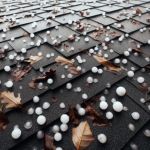 How to Spot Hail Damage on Your Roof: Essential Guide for Homeowners
 How to Choose Energy-Star Rated Siding & Roofing Materials for Your Home
 Why Roof Repairs Are Essential for Home Safety and Protection
 The Best Roofs for Low-Maintenance Homes
 Siding Sealing & Caulking Best Practices: Protect Your Home from the Elements