- Why Cold Climates Need Special Roofing
- Considerations for Roofing in Cold Climates
- Best Roofing Materials for Cold Climates
- How to Choose the Right Roofing Materials
- Why Choose Total Roofing Hub for Roof Installation
Why Cold Climates Need Special Roofing
When living in a cold climate, choosing the right roofing materials is essential for protecting your home against the harsh elements. Snow, ice, freezing temperatures, and high winds all present unique challenges that require roofing solutions specifically designed for these conditions. If your roofing system isn’t prepared for the demands of cold weather, you could face issues such as ice dams, leaks, and early deterioration of your roof.
Roofing materials in cold climates need to be durable, provide excellent insulation, and handle the weight of snow and ice accumulation. In this guide, we’ll explore why cold climates require special roofing and what makes certain materials better suited for the job.
Fick Bros. Roofing & Exterior Remodeling Company
1200 E 25th St, Baltimore, MD 21218, USA
Considerations for Roofing in Cold Climates
There are a few important factors to consider when choosing roofing materials for homes in cold climates. These include:

RightMark Roofing
New PhiladelphiaTuscarawas CountyOhio
327 Stonecreek Rd NW, New Philadelphia, OH 44663, USA
1. Snow and Ice Resistance
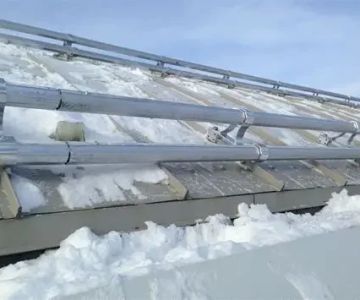
In colder climates, snow and ice buildup can be a significant issue. Some roofing materials are better equipped to shed snow and prevent the formation of ice dams, which can cause water to back up under your shingles, leading to leaks inside your home. Choose roofing materials that allow snow to slide off more easily to reduce the risk of ice dams.
2. Insulation and Energy Efficiency
Proper insulation is vital in cold climates to retain heat inside your home and prevent heat loss through the roof. Roofing materials with good insulation properties help to keep your home warmer during winter and lower energy costs. This is especially important in areas where heating costs can soar during the cold months.
3. Durability in Freezing Temperatures
Cold weather can cause roofing materials to become brittle and crack over time. The best roofing materials for cold climates need to withstand freeze-thaw cycles, which can lead to expansion and contraction that weakens the roof’s structure. Opt for materials that are durable and resistant to cracking and warping in freezing conditions.
4. Weight Considerations
Heavy snow and ice can place a significant load on your roof, especially if you live in a region with frequent heavy snowfalls. Roofing materials need to be strong enough to withstand the weight of the snow without putting your home’s structure at risk.
Best Roofing Materials for Cold Climates
Now that we’ve discussed the key considerations for roofing in cold climates, let’s explore the best roofing materials for snowy and icy conditions:
1. Metal Roofing
Metal roofing is one of the top choices for cold climates. It is highly durable, sheds snow easily, and is resistant to the formation of ice dams. The smooth surface of metal roofs allows snow and ice to slide off, preventing buildup that could otherwise lead to water damage. Metal roofs also offer excellent energy efficiency by reflecting heat away from your home in the winter and summer.
Benefits of metal roofing in cold climates:
- Excellent snow-shedding properties
- Durable and resistant to freezing temperatures
- Reflective surface improves energy efficiency
- Long lifespan and minimal maintenance
2. Asphalt Shingles
Asphalt shingles are a popular and affordable choice for homeowners in cold climates. They are available in a variety of styles and colors and perform well in freezing temperatures when installed with proper ventilation. For cold climates, choose asphalt shingles that are reinforced with fiberglass and designed to resist cracking and damage from heavy snow and ice.
Benefits of asphalt shingles in cold climates:
- Cost-effective and easy to install
- Good at withstanding freezing temperatures
- Variety of designs and colors to match your home
- Relatively easy to repair if damaged
3. Slate Roofing
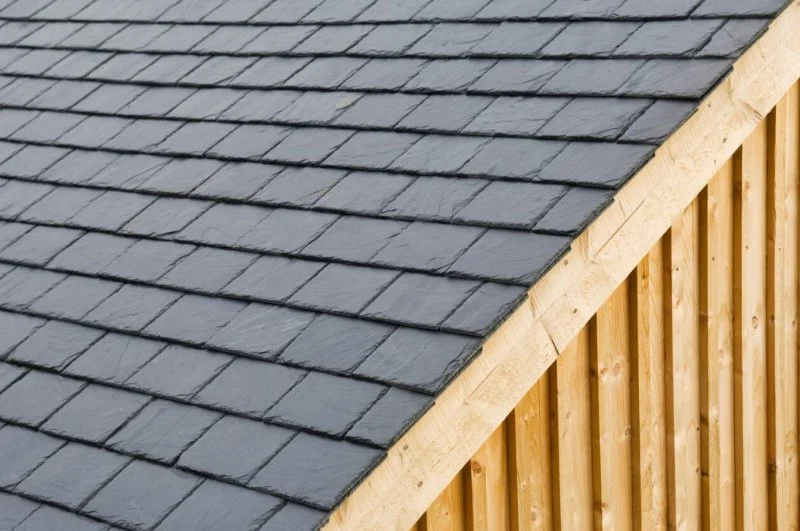
Slate is a premium roofing material known for its durability, natural beauty, and longevity. It is highly resistant to extreme cold temperatures, snow, and ice. Slate roofs are long-lasting, often exceeding 100 years, and provide excellent insulation for energy efficiency. While more expensive than other options, slate offers superior protection in cold climates.
Benefits of slate roofing in cold climates:
- Exceptional durability and resistance to freezing temperatures
- Long lifespan (up to 100 years or more)
- Beautiful, natural appearance
- Excellent energy efficiency and insulation properties
4. Clay and Concrete Tiles
While traditionally associated with warmer climates, clay and concrete tiles are also a great option for cold climates when installed correctly. These materials are heavy-duty and durable, offering excellent protection from the elements. They also provide great insulation, helping to keep your home warm during the winter months. However, the weight of these tiles requires a robust roof structure to support them.
Benefits of clay and concrete tiles in cold climates:
- Durable and resistant to freezing conditions
- Excellent insulation properties
- Heavy-duty, ideal for regions with heavy snow
- Low maintenance and long-lasting
How to Choose the Right Roofing Materials
When selecting roofing materials for your home in a cold climate, consider the following factors to ensure you choose the best option for your needs:
- Climate Conditions: Consider how much snow your area receives and whether your region experiences heavy ice buildup. If you live in an area with heavy snowfall, metal roofing or slate may be the best choice for snow shedding. For areas with moderate snowfall, asphalt shingles or clay tiles might suffice.
- Energy Efficiency: Roofing materials with good insulating properties will help reduce heating costs in winter. Metal and slate roofs are excellent for insulation and energy efficiency.
- Budget: Asphalt shingles are the most affordable option, while slate and metal roofing may require a larger investment. Consider your budget and the long-term durability of the materials when making your decision.
- Durability and Maintenance: Slate and metal roofing offer the longest lifespan and require less maintenance compared to asphalt shingles. However, asphalt shingles may be more suitable for homeowners on a budget who still need reliable protection.
Why Choose Total Roofing Hub for Roof Installation
If you’re in need of roof installation in a cold climate, Total Roofing Hub is your go-to roofing expert. We offer a wide selection of roofing materials, including metal, asphalt, slate, and tile, to ensure your roof is ready to handle even the harshest winter conditions. Our experienced team is dedicated to providing high-quality roofing solutions tailored to your home’s needs.
Contact us today to learn more about the best roofing materials for cold climates and get a free consultation on your roof installation project. At Total Roofing Hub, we’re committed to helping you find the perfect roof for your home, ensuring both durability and energy efficiency for years to come.
 Skyline Designs Roofing5.0 (99 reviews)
 Perfect Roofing Installations4.0 (60 reviews)
 Dog Tags Construction LLC4.0 (16 reviews)
 Gutter Shutter of Central Maryland5.0 (9 reviews)
 Sam Cline Handyman Services4.0 (37 reviews)
 Paramount Builders Inc.4.0 (302 reviews)
 Should I Repair or Replace My Roof?
 Top 10 Signs Your Roof Needs Immediate Repair Before It’s Too Late
 The Pros and Cons of Vinyl Siding: Is It the Right Choice for Your Home?
 How to Choose a Reliable Roofing Contractor Near You – Expert Tips
 Top 10 Signs Your Roof Needs Immediate Repair You Shouldn’t Ignore
 How to Spot Hail Damage on Your Roof | Quick Guide for Homeowners