
Understanding Roof Load: What Happens if Snow or Debris Accumulates
Winter storms, heavy rains, or even the accumulation of leaves and branches can add significant stress to your roof. While the roof is designed to bear a certain load, it’s essential to understand the impact that snow and debris can have on its structural integrity. In this article, we will dive into the concept of roof load, the dangers posed by accumulated snow and debris, and the best ways to protect your home from potential damage. Let’s explore why roof load is so important and how you can ensure the safety of your property during adverse weather conditions.
- 1. What Is Roof Load?
- 2. The Impact of Snow and Ice on Roofs
- 3. Common Debris and Their Effects on Roof Load
- 4. How to Prevent Roof Damage from Excessive Load
- 5. When to Call a Professional Roofing Expert
1. What Is Roof Load?
Roof load refers to the weight and pressure that a roof structure must support. It includes both dead loads (permanent weights, such as the roof itself) and live loads (temporary weights, such as snow, rain, or debris). Every roof is designed to handle a specific load capacity, taking into consideration factors like the material of the roof, pitch, and the local climate. If the load exceeds the roof's capacity, it can lead to structural damage, including sagging or even collapse.

Sears Window Replacement
Moreno ValleyRiverside CountyCalifornia
Mall, 22560 Town Cir, Moreno Valley, CA 92553, USA
2. The Impact of Snow and Ice on Roofs
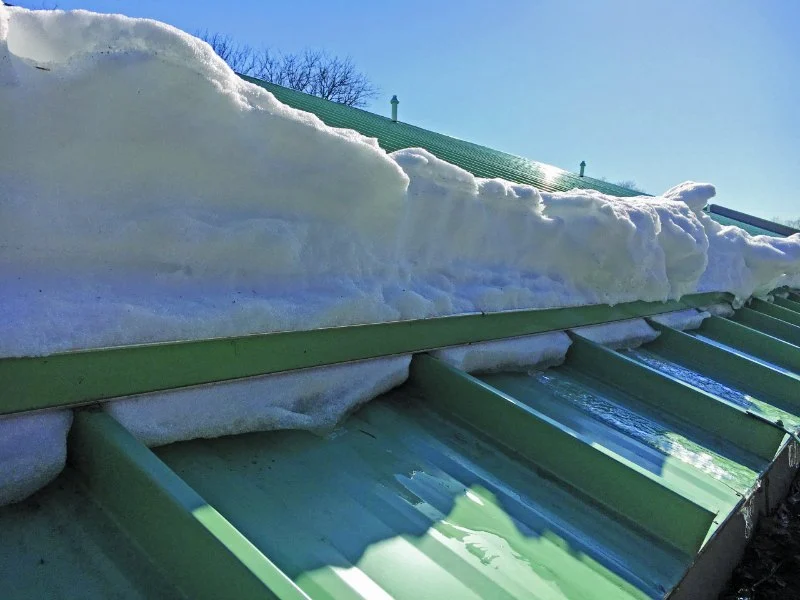
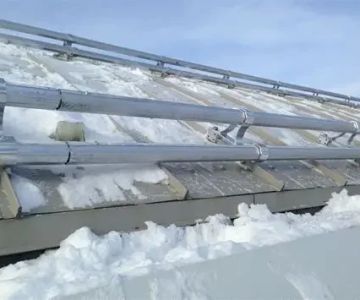
Snow accumulation is one of the most common causes of increased roof load during the winter months. Snow and ice can quickly build up, especially after a series of storms. The weight of accumulated snow can vary, but when it reaches depths of several feet, it can add hundreds of pounds of weight to the roof. In addition to the weight, ice dams that form along the roof's edge can trap melting snow, further increasing the load.
Heavy snow can also lead to water penetration if the snow melts and re-freezes within the roofing system. This constant cycle can deteriorate roofing materials, leading to leaks and significant structural damage over time.
3. Common Debris and Their Effects on Roof Load
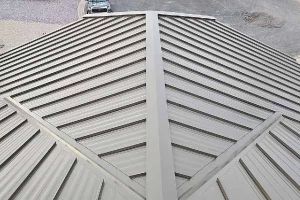
Besides snow, other types of debris such as fallen branches, leaves, or even dirt and dust, can accumulate on your roof, especially during fall and winter. While this debris may seem insignificant, it can add unnecessary weight and strain on the roof, particularly in areas where the roof is flat or has low slope.
Debris can also block gutters and downspouts, preventing water from draining properly. This can lead to water pooling on the roof, which can freeze and cause ice dams. In extreme cases, the weight of the accumulated debris and the trapped water can weaken the structure of the roof.
4. How to Prevent Roof Damage from Excessive Load
Preventing roof damage from excessive load requires regular maintenance and monitoring. Here are a few steps to help protect your roof:
- Inspect your roof regularly: Check for any visible signs of damage, such as sagging, cracks, or missing shingles. Perform these checks before and after storms, especially during the winter months.
- Clear debris from the roof: After a storm or during the fall, remove leaves, branches, and other debris from your roof to reduce the load. Consider using a leaf blower or a soft-bristled broom to avoid damaging the roofing material.
- Shovel snow off the roof: If snow has accumulated, use a roof rake with a long handle to carefully remove the snow from the roof. Start at the edge and work your way up to avoid damaging the shingles.
- Ensure proper insulation: Make sure your attic is properly insulated and ventilated to prevent ice dams from forming. Proper insulation will help regulate temperature and prevent melting snow from refreezing at the eaves.
5. When to Call a Professional Roofing Expert
While DIY maintenance can help prevent damage, some situations require the expertise of a professional roofer. If you notice any of the following signs, it's best to call a professional:
- Visible sagging or bowing of the roof, indicating that the load may be too heavy.
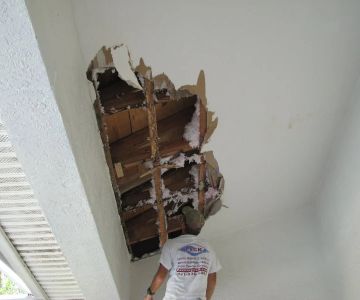
- Water leaks or stains on the ceiling, suggesting that the roof has been compromised.
- Difficulty clearing debris or snow from hard-to-reach areas.
- Damage to the structural components of the roof, such as trusses or beams.
Don't wait until it's too late—if you're unsure about the safety of your roof, contact a qualified roofing professional. They can assess the condition of your roof and make the necessary repairs to ensure its longevity.
For more tips on maintaining your roof and handling roof load issues, visit Total Roofing Hub for expert advice and products that can help protect your home from roof damage.

 Marc Joseph remodeling5.0 (1 reviews)
 PRS Roofing Inc5.0 (9 reviews)
 KAPS CONSTRUCTION4.0 (5 reviews)
 Marshall Exteriors, LLC4.0 (213 reviews)
 S.W.A.T. Roofing & Consulting4.0 (46 reviews)
 MATFI RENOVATIONS LLC5.0 (23 reviews)
 Siding Material Fire Ratings: What’s Required & What to Choose
 Roof Talk: Common Terminology Every Homeowner Should Know
 How Often Should You Replace Your Home's Siding? Expert Tips on Siding Longevity
 The Average Lifespan of Asphalt Shingle Roofs: How Long Do They Last?
 How to Choose a Reliable Roofing Contractor Near You | Top Tips and Questions
 Should I Repair or Replace My Roof? – Expert Guide for U.S. Homeowners