Roof Damage Hidden Behind Drywall or Interior Ceilings: What You Need to Know
- - Identifying Hidden Roof Damage
- - How Roof Leaks Affect Drywall and Ceilings
- - The Importance of Timely Roof Inspections
- - Signs of Hidden Roof Damage in Your Home
- - How to Prevent Further Damage and Repair Your Roof
1. Identifying Hidden Roof Damage
Roof damage is often not as visible as we’d like it to be, especially when it’s hidden behind the drywall or interior ceilings. This type of damage can go unnoticed for months or even years, potentially causing significant issues if left unchecked. Many homeowners are unaware of how severe roof leaks or damage can be until it manifests inside their home. Identifying the signs early on can save you from costly repairs and prevent further damage to your home’s structure.
One of the most common causes of hidden roof damage is water leakage from a damaged roof that seeps through the ceiling or walls. Over time, the drywall or interior ceilings absorb this moisture, causing deterioration, mold growth, and structural weakening. This is why it’s essential to understand how to detect hidden roof damage and take action before it becomes a major problem.

2. How Roof Leaks Affect Drywall and Ceilings
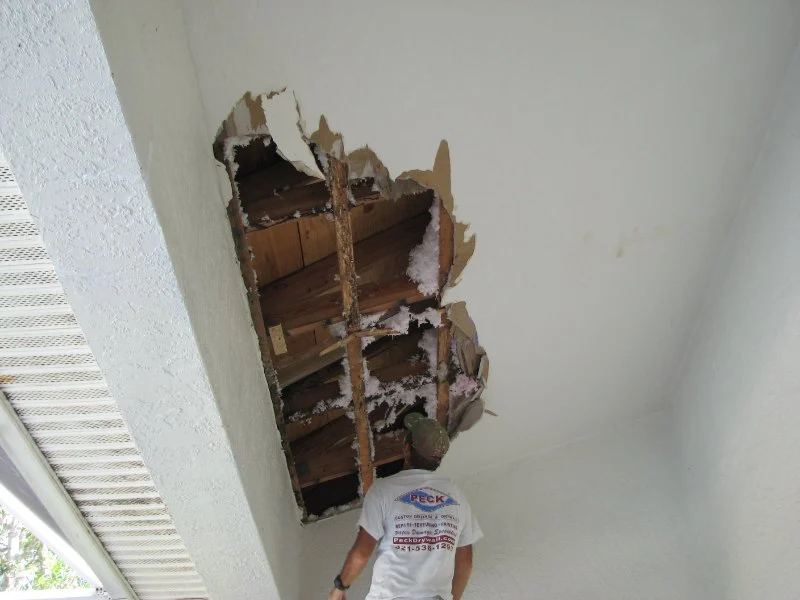
When roof damage leads to leaks, the water can travel through the layers of your home. Initially, it may seem like a small problem, but over time, it can cause significant damage to your ceilings and drywall. Water pooling in the ceiling or walls can lead to unsightly stains, sagging, and even mold growth if left untreated.
Drywall, in particular, is vulnerable to moisture. If the leak is severe enough, it can cause the drywall to weaken, buckle, or collapse. This can lead to costly repairs and potentially unsafe living conditions. It's crucial to address the root cause of the leak—often originating from the roof—before repairing the interior damage.
3. The Importance of Timely Roof Inspections
One of the best ways to identify hidden roof damage is through regular roof inspections. Even if you don’t see visible leaks inside your home, it’s still a good idea to have your roof inspected at least once a year. A professional roofing contractor can thoroughly check for signs of wear and tear, such as missing shingles, cracked flashing, or signs of water penetration.
During an inspection, the contractor will also look for damage that could cause leaks in the future, even if they’re not currently visible. This proactive approach can help identify problems early and prevent major repairs down the road. If you’ve experienced heavy storms or harsh weather conditions, scheduling a roof inspection immediately afterward is especially important to ensure no hidden damage has occurred.
4. Signs of Hidden Roof Damage in Your Home
Sometimes, roof damage is not immediately obvious. However, there are several signs you can look for that may indicate the presence of hidden roof damage behind drywall or interior ceilings. Here are some key warning signs to watch out for:
4.1 Water Stains or Discoloration
One of the most obvious signs of roof damage is the appearance of water stains or discoloration on your ceilings. These stains typically indicate that water has seeped through the roof and into the interior of your home. The discoloration may spread or worsen over time, so it’s important to address it quickly.
4.2 Sagging Ceilings
If you notice that your ceiling is sagging, it’s a clear sign that water has been accumulating in the ceiling for an extended period. The weight of the water can cause the drywall to bow or even collapse, posing a serious safety risk. Immediate action should be taken to inspect the roof for leaks and repair any damage to prevent further structural issues.
4.3 Mold or Mildew Growth
Mold and mildew thrive in damp environments, and if your roof has been leaking for some time, you may start to notice a musty smell or visible mold growth. Mold can spread quickly, causing health issues and damaging your home’s structure. If you spot mold or mildew in your home, it's essential to investigate the source of the moisture—often from the roof—and address both the mold problem and the underlying leak.
4.4 Increased Energy Bills
Hidden roof damage can also affect your home’s energy efficiency. If your insulation becomes wet from a roof leak, it may lose its ability to regulate temperature effectively. This can lead to increased heating and cooling costs. If you notice that your energy bills are rising unexpectedly, it could be a sign of hidden roof damage.
5. How to Prevent Further Damage and Repair Your Roof
If you suspect roof damage but have not yet identified the cause, it's critical to address the issue as soon as possible. Here are the steps to prevent further damage and get your roof repaired:
5.1 Hire a Professional Roofing Contractor
If you notice any signs of hidden roof damage, it’s essential to call in a professional roofing contractor. A trained expert can assess the extent of the damage, identify the source of leaks, and recommend the best course of action. Don’t attempt to fix the problem yourself, as improper repairs can worsen the damage and void any warranties.
5.2 Repair the Roof
Once the source of the damage is identified, the next step is to repair the roof. This may involve replacing damaged shingles, fixing flashing, or sealing gaps to prevent further leaks. Make sure the repair is done thoroughly to ensure long-term protection against water damage.
5.3 Repair the Interior Damage
Once the roof is repaired, you can address the interior damage. This may involve replacing drywall, re-painting ceilings, and removing any mold or mildew. The goal is to restore your home’s aesthetic and ensure that it’s safe for you and your family.
Conclusion
Hidden roof damage behind drywall or interior ceilings is a serious issue that can lead to costly repairs and potential safety hazards if not addressed promptly. By being vigilant for signs of leaks, scheduling regular roof inspections, and acting quickly when you notice any warning signs, you can prevent further damage and protect your home. For all your roofing needs and expert advice, visit Total Roofing Hub today!
 Marc Joseph remodeling5.0 (1 reviews)
 PRS Roofing Inc5.0 (9 reviews)
 KAPS CONSTRUCTION4.0 (5 reviews)
 Marshall Exteriors, LLC4.0 (213 reviews)
 S.W.A.T. Roofing & Consulting4.0 (46 reviews)
 MATFI RENOVATIONS LLC5.0 (23 reviews)
 Siding Material Fire Ratings: What’s Required & What to Choose
 Roof Talk: Common Terminology Every Homeowner Should Know
 How Often Should You Replace Your Home's Siding? Expert Tips on Siding Longevity
 The Average Lifespan of Asphalt Shingle Roofs: How Long Do They Last?
 How to Choose a Reliable Roofing Contractor Near You | Top Tips and Questions
 Should I Repair or Replace My Roof? – Expert Guide for U.S. Homeowners