
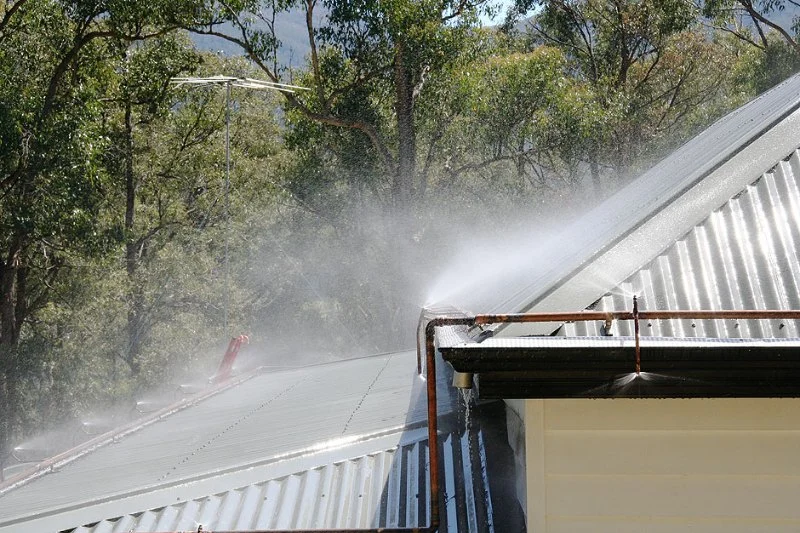
Siding for Homes With Irrigation Systems: Prevent Water Splash Damage
- 1. Importance of Protecting Siding from Water Splash Damage
- 2. How Irrigation Systems Can Cause Damage to Siding
- 3. Choosing the Right Siding Material for Irrigated Homes
- 4. Maintenance Tips to Prevent Water Splash Damage
- 5. Real-Life Example: How the Right Siding Prevented Damage
- 6. How Total Roofing Hub Can Help
Protecting your home’s siding from water damage is essential for maintaining its structural integrity and appearance. Homes with irrigation systems are particularly at risk because water from sprinklers can splash onto the siding, causing long-term damage such as rotting, warping, and discoloration. Choosing the right siding materials and adopting preventive maintenance strategies can significantly reduce the risk of water damage and help preserve the beauty and functionality of your home.
Irrigation systems, especially sprinkler systems, can inadvertently cause water splash damage to your siding. Here are some ways this can happen:
- Direct water exposure: Sprinkler heads positioned too close to the house can direct water directly onto the siding, which can lead to paint peeling, wood rotting, or the growth of mold and mildew.
- Repetitive moisture exposure: Continuous moisture exposure from frequent watering can weaken siding materials over time, accelerating wear and tear.
- Water stains: Hard water, which often contains minerals like calcium, can leave unsightly stains on siding when splashed by irrigation systems.
Choosing the right siding material is one of the most important steps in preventing water splash damage from irrigation systems. Here are some materials to consider:
- Vinyl siding: Vinyl siding is a popular choice for homes with irrigation systems due to its durability and water resistance. It’s relatively low-maintenance and does not absorb moisture, making it a great option for homes exposed to frequent watering.
- Fiber cement siding: Fiber cement is another durable option that holds up well against water damage. It’s resistant to rot, warping, and mold, making it ideal for homes with irrigation systems.
- Engineered wood siding: While more susceptible to water damage than vinyl or fiber cement, engineered wood siding is treated to resist moisture and can be a good option if properly sealed and maintained.
- Metal siding: Metal siding, such as aluminum or steel, offers excellent water resistance and durability. It is particularly useful for homes in regions with heavy irrigation needs.
Regular maintenance is key to preventing water splash damage to your siding. Here are some maintenance tips to keep your siding in top condition:
- Adjust sprinkler heads: Ensure your sprinkler heads are positioned correctly so that they don’t spray water directly onto your siding. Install adjustable sprinkler heads or use drip irrigation systems to avoid splashing.
- Clean your siding regularly: Dirt and debris can trap moisture against the siding. Regularly cleaning your siding helps prevent mold and mildew buildup.
- Inspect for damage: Periodically inspect your siding for signs of damage, such as cracks, chips, or discoloration. Prompt repairs can prevent further deterioration caused by moisture exposure.
- Repaint or reseal as needed: If you have wooden or fiber cement siding, applying a fresh coat of paint or sealant will help protect it from water damage and extend its lifespan.
Consider the case of the Hernandez family, who had a beautiful home with an irrigation system set up in their garden. Over time, they noticed water stains on their vinyl siding and began seeing signs of mold growth around their windows. After consulting a professional, they realized that the sprinklers were positioned too close to the house. By adjusting the sprinkler system, installing a drip irrigation system, and cleaning the siding regularly, they were able to prevent further damage. This example illustrates how simple changes can protect your home’s exterior and save on costly repairs.
If you’re looking for the best products to protect your siding or need assistance with repairs, visit Total Roofing Hub. Whether you need water-resistant siding materials, installation services, or advice on maintaining your exterior, Total Roofing Hub has the expertise and quality products to meet your needs. Check out their wide selection of products designed to keep your home safe from water damage.
 Marc Joseph remodeling5.0 (1 reviews)
 PRS Roofing Inc5.0 (9 reviews)
 KAPS CONSTRUCTION4.0 (5 reviews)
 Marshall Exteriors, LLC4.0 (213 reviews)
 S.W.A.T. Roofing & Consulting4.0 (46 reviews)
 MATFI RENOVATIONS LLC5.0 (23 reviews)
 Siding Material Fire Ratings: What’s Required & What to Choose
 Roof Talk: Common Terminology Every Homeowner Should Know
 How Often Should You Replace Your Home's Siding? Expert Tips on Siding Longevity
 The Average Lifespan of Asphalt Shingle Roofs: How Long Do They Last?
 How to Choose a Reliable Roofing Contractor Near You | Top Tips and Questions
 Should I Repair or Replace My Roof? – Expert Guide for U.S. Homeowners