- 1. Understanding Insulation Needs for Your Roof
- 2. The Benefits of Proper Roof Insulation
- 3. Factors Affecting Insulation Requirements
- 4. How Much Insulation Do You Actually Need?
- 5. Choosing the Right Insulation Material for Your Roof
- 6. Common Insulation Mistakes to Avoid
1. Understanding Insulation Needs for Your Roof
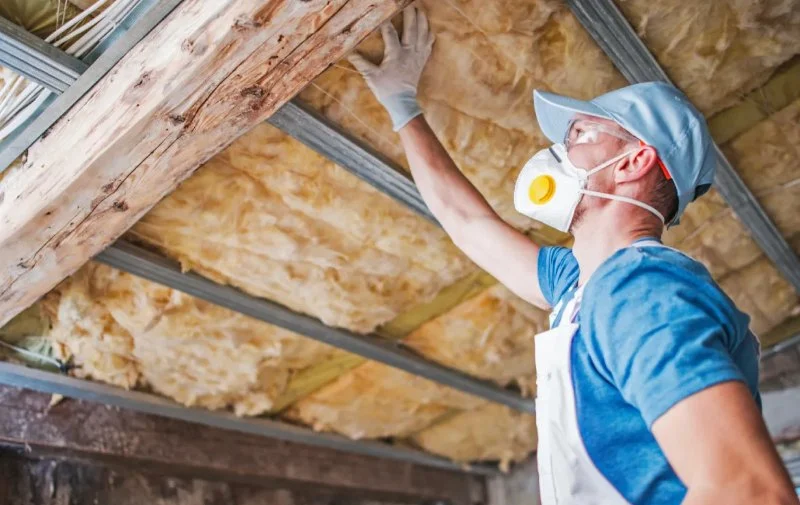
Proper insulation is a crucial element in maintaining a comfortable and energy-efficient home. Insulation helps to regulate the temperature inside your home by keeping heat in during the winter and blocking out the heat during the summer. When it comes to your roof, understanding how much insulation you need is vital for optimizing energy usage and preventing costly repairs in the future.
But how do you determine how much insulation is right for your roof? The amount of insulation needed depends on various factors, including the climate you live in, the type of roofing system, and your home’s specific heating and cooling needs.

2. The Benefits of Proper Roof Insulation
Roof insulation provides several key benefits to homeowners. First and foremost, it improves energy efficiency by reducing heating and cooling costs. Without proper insulation, your HVAC system has to work harder to maintain a comfortable indoor temperature, leading to higher utility bills.
Additionally, roof insulation helps to enhance comfort by keeping your home’s temperature more consistent, preventing hot and cold spots from forming. It also reduces the load on your heating and cooling system, which can extend the life of your HVAC equipment and reduce maintenance costs.
In some cases, insulation can even improve the acoustics inside your home by reducing sound transmission from the outside or between rooms, contributing to a quieter living environment.
W.G. Home Improvement, LLC
Mount KiscoWestchester CountyNew York
118 N Bedford Rd Suite 137, Mt Kisco, NY 10549, USA
3. Factors Affecting Insulation Requirements
There are several factors to consider when determining how much insulation your roof needs. The most important ones include:
- Climate: Colder climates typically require more insulation to prevent heat loss, while warmer climates might need less to avoid trapping excessive heat inside.
- Roof Type: The type of roof you have—whether flat, sloped, or vaulted—will influence the insulation requirements. For example, attics with sloped roofs may need additional insulation compared to flat-roofed homes.
- Energy Efficiency Goals: If you’re aiming for maximum energy efficiency, you may want to opt for the highest R-value insulation to minimize energy loss.
- Existing Insulation: If you’re adding insulation to an existing roof, it’s important to know how much insulation is already in place and whether it needs to be replaced or supplemented.
4. How Much Insulation Do You Actually Need?
The amount of insulation you need under your roof is typically measured by the R-value, which refers to the material's resistance to heat flow. The higher the R-value, the better the material is at insulating your home. In general, homes in colder climates require higher R-values, while homes in warmer climates require lower values.
For most homes, the recommended R-value for attic insulation ranges between R-30 and R-60, depending on your geographic location and local building codes. To find the specific R-value recommendations for your area, it’s best to consult with a local contractor or energy auditor.
If you’re unsure about how much insulation your roof needs, a professional assessment can help ensure your home is properly insulated for maximum energy efficiency and comfort.
5. Choosing the Right Insulation Material for Your Roof
When selecting insulation for your roof, it’s essential to consider the material options available. Some common types of insulation include:
- Fiberglass: One of the most popular insulation materials, fiberglass is cost-effective and widely available. It offers good thermal performance but can be difficult to install in hard-to-reach areas.
- Spray Foam: Spray foam insulation provides a high R-value per inch and is ideal for sealing gaps and cracks. However, it is more expensive and may require professional installation.
- Cellulose: Made from recycled paper products, cellulose insulation is an eco-friendly option. It has good soundproofing properties and is often treated with fire retardants.
- Rigid Foam Boards: Rigid foam boards offer excellent insulation and are commonly used in attic floors and areas that require moisture resistance.
Each material has its own advantages and drawbacks, so it's important to choose the one that best suits your specific needs, budget, and roof type.
6. Common Insulation Mistakes to Avoid
While insulation can greatly improve your home’s comfort and energy efficiency, there are some common mistakes that homeowners should avoid:
- Over-Insulating: Adding too much insulation can reduce ventilation and trap excess moisture, which could lead to mold and mildew issues.
- Improper Installation: Insulation that’s not installed correctly can lead to gaps, resulting in reduced efficiency. It’s crucial to follow manufacturer guidelines and, if necessary, hire a professional installer.
- Neglecting Air Sealing: Insulation works best when combined with proper air sealing. Make sure to seal any gaps or leaks around ducts, vents, and windows to prevent air from escaping.
If you need help determining the right amount of insulation for your roof or are interested in quality roofing products, visit Total Roofing Hub for expert advice and solutions that suit your home.
 Marc Joseph remodeling5.0 (1 reviews)
 PRS Roofing Inc5.0 (9 reviews)
 KAPS CONSTRUCTION4.0 (5 reviews)
 Marshall Exteriors, LLC4.0 (213 reviews)
 S.W.A.T. Roofing & Consulting4.0 (46 reviews)
 MATFI RENOVATIONS LLC5.0 (23 reviews)
 Siding Material Fire Ratings: What’s Required & What to Choose
 Roof Talk: Common Terminology Every Homeowner Should Know
 How Often Should You Replace Your Home's Siding? Expert Tips on Siding Longevity
 The Average Lifespan of Asphalt Shingle Roofs: How Long Do They Last?
 How to Choose a Reliable Roofing Contractor Near You | Top Tips and Questions
 Should I Repair or Replace My Roof? – Expert Guide for U.S. Homeowners