
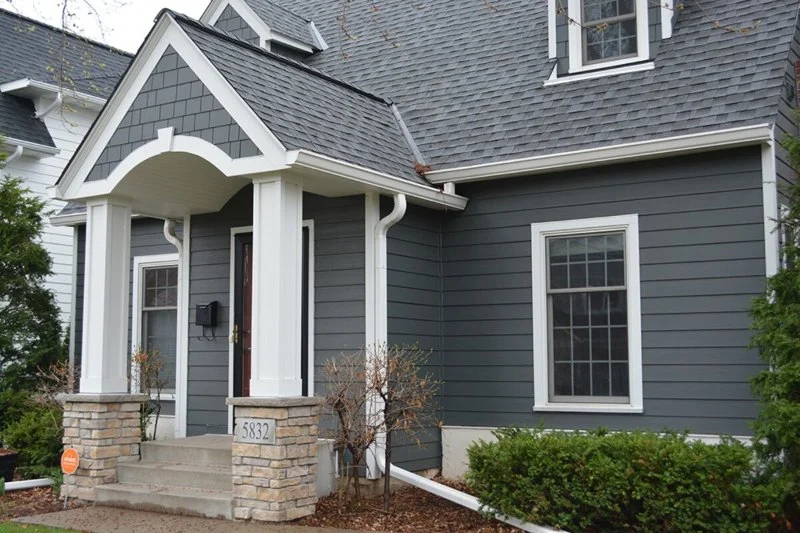
How Often Should You Replace Your Home's Siding? Expert Tips on Siding Longevity
- 1-The Importance of Home Siding
- 2-Different Types of Siding Materials and Their Lifespan
- 3-Signs That It’s Time to Replace Your Siding
- 4-Tips for Maintaining Your Siding
- 5-Real-Life Case: When to Replace Siding
1. The Importance of Home Siding
Your home's siding serves as the first line of defense against the elements, helping to protect the structure from weather damage, moisture, and temperature fluctuations. Beyond functionality, siding also plays a significant role in the overall aesthetic and curb appeal of your home. Therefore, ensuring that your siding is in good condition is essential not only for the longevity of your home but also for maintaining its value.
However, like all parts of your home, siding has a lifespan, and eventually, it will need replacement. Knowing how often to replace your siding can help you avoid costly repairs or more significant damage in the long run.

2. Different Types of Siding Materials and Their Lifespan
2.1. Vinyl Siding
Vinyl siding is one of the most popular choices for homeowners due to its low maintenance and relatively long lifespan. On average, vinyl siding can last between 20 to 40 years, depending on the quality of the material and exposure to harsh weather conditions. If properly maintained, vinyl siding can withstand significant wear and tear.

2.2. Wood Siding
Wood siding offers a beautiful, natural look, but it requires more upkeep than vinyl. Wood siding typically lasts around 20 to 30 years, but it is more susceptible to rot, insect damage, and weathering. Regular painting or staining can extend its lifespan, but if neglected, it may need replacement sooner.
2.3. Fiber Cement Siding
Fiber cement siding is known for its durability and resistance to fire, insects, and rot. It has an average lifespan of 30 to 50 years, making it one of the longest-lasting siding materials. With proper maintenance, fiber cement can significantly outlast other materials, making it an excellent investment for homeowners looking for long-term solutions.
2.4. Aluminum Siding
Aluminum siding is resistant to rot and insects, but it can be prone to dents and scratches. The typical lifespan of aluminum siding is around 30 to 40 years. However, exposure to saltwater or extreme weather conditions can reduce its lifespan. Regular cleaning and maintenance are essential to keeping aluminum siding in good condition.
3. Signs That It’s Time to Replace Your Siding
3.1. Visible Damage
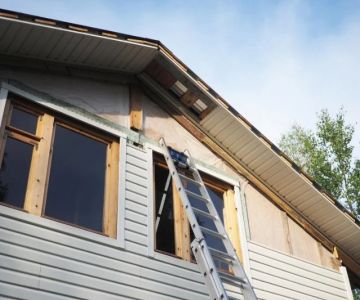
If you notice visible damage, such as cracks, holes, or missing pieces, it's a clear sign that your siding needs attention. While minor damage can often be repaired, extensive damage may require complete replacement to ensure your home remains protected.
3.2. Fading and Discoloration
Over time, exposure to the sun and weather can cause siding to fade or discolor. If your siding has lost its vibrant color or has noticeable stains that cannot be cleaned, it might be time for a replacement. Fading can also indicate that the material has started to break down and may no longer be effective at protecting your home.
3.3. Moisture Issues or Mold
Moisture penetration is one of the most significant issues that siding can face. If you notice signs of mold, mildew, or rot on your siding, it may indicate that water has infiltrated behind the material. These issues can compromise the integrity of your siding and require replacement to avoid further damage to your home’s structure.
3.4. Higher Energy Bills
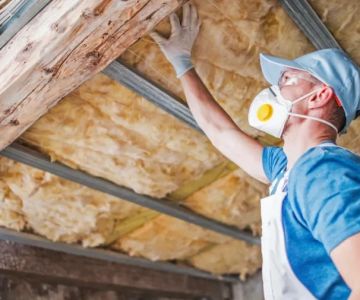
Worn-out siding may no longer provide adequate insulation, leading to higher energy bills. If your home is not as energy-efficient as it used to be, it might be due to gaps or cracks in your siding, allowing air to escape. Replacing your siding can help improve your home’s energy efficiency and save money on utility bills in the long run.
4. Tips for Maintaining Your Siding
4.1. Regular Cleaning
One of the best ways to prolong the life of your siding is through regular cleaning. Dirt, mold, and mildew can accumulate on your siding over time, damaging its surface and leading to premature aging. Clean your siding at least once a year using a pressure washer or a soft brush with soap and water.
4.2. Seal Gaps and Cracks
Check your siding regularly for gaps or cracks. If you find any, seal them promptly to prevent water from entering. Sealing these openings can also help improve your home's energy efficiency by keeping warm or cool air inside.
4.3. Repainting or Resealing
If you have wood or fiber cement siding, it’s important to repaint or reseal the material every few years to protect it from the elements. This maintenance step can significantly extend the lifespan of your siding and prevent deterioration caused by exposure to rain, sun, and snow.
5. Real-Life Case: When to Replace Siding
A family in Ohio had vinyl siding on their home that had been in place for over 30 years. While the siding had held up well in the early years, they began noticing faded spots and cracks in several areas. After consulting with a professional, they decided to replace their siding entirely, opting for fiber cement for its durability and long lifespan. The new siding not only improved the home’s curb appeal but also helped with energy efficiency, lowering their monthly energy bills significantly.
Replacing your siding can be a significant investment, but knowing when to do it can save you money and prevent further damage. If you need expert advice or quality siding products, visit Total Roofing Hub for the best options tailored to your home’s needs.
 Skyline Designs Roofing5.0 (99 reviews)
 Perfect Roofing Installations4.0 (60 reviews)
 Dog Tags Construction LLC4.0 (16 reviews)
 Gutter Shutter of Central Maryland5.0 (9 reviews)
 Sam Cline Handyman Services4.0 (37 reviews)
 Paramount Builders Inc.4.0 (302 reviews)
 Should I Repair or Replace My Roof?
 Top 10 Signs Your Roof Needs Immediate Repair Before It’s Too Late
 The Pros and Cons of Vinyl Siding: Is It the Right Choice for Your Home?
 How to Choose a Reliable Roofing Contractor Near You – Expert Tips
 Top 10 Signs Your Roof Needs Immediate Repair You Shouldn’t Ignore
 How to Spot Hail Damage on Your Roof | Quick Guide for Homeowners