
- 1 - Understanding Hail Damage on Your Roof
- 2 - Common Signs of Hail Damage
- 3 - How to Inspect Your Roof for Hail Damage
- 4 - Steps to Take After Spotting Hail Damage
- 5 - Why You Should Get Professional Help for Roof Damage
1. Understanding Hail Damage on Your Roof
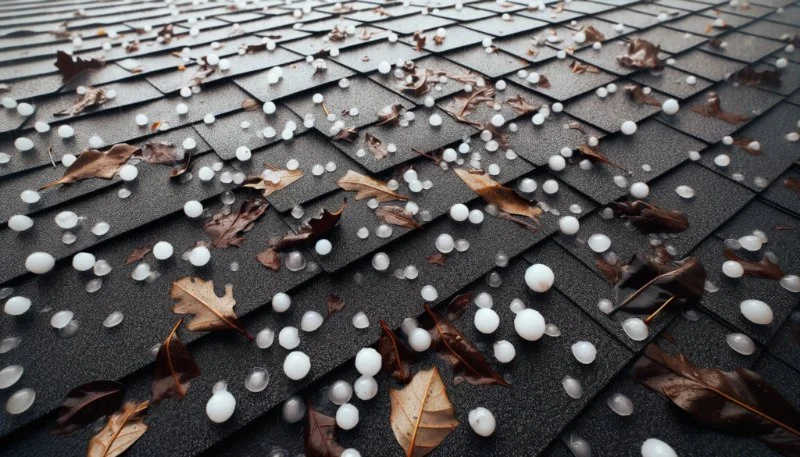
Hailstorms can cause significant damage to your roof, often without being immediately obvious. Hail can range in size from small pellets to large golf ball-sized stones, and the damage can vary depending on the intensity and duration of the storm. The impact from hail can weaken your roofing materials, create cracks, and cause other issues that, if left untreated, can lead to more severe damage over time.
Understanding the type of roofing materials on your home and how they react to hail can help you assess the potential for damage. For example, asphalt shingles are particularly vulnerable to hail, as the impact can cause dents, cracks, or even dislodge the shingles completely. Metal roofs, while generally more durable, can also suffer dents and punctures if the hail is large enough.

2. Common Signs of Hail Damage
After a hailstorm, it’s important to check your roof for visible signs of damage. While the damage may not always be visible from the ground, there are a few key signs that can help you determine if your roof has been impacted:

1. Dents in Asphalt Shingles
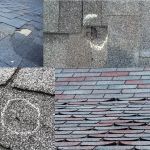
One of the most common signs of hail damage on asphalt shingles is the presence of dents or dimples. These can be seen on the surface of the shingles and may be accompanied by granule loss. Granules protect the shingles from UV rays and help maintain the roof's waterproofing, so their loss can lead to more significant damage.
2. Cracked or Broken Shingles
Large hailstones can cause cracks or breaks in shingles, which can leave your roof exposed to further damage from water. These cracks are usually noticeable when inspecting shingles closely, and they may appear as small or large fissures in the material.
3. Missing Shingles
In severe hailstorms, hail can completely dislodge shingles from the roof. This leaves your roof vulnerable to leaks and water damage. If you notice missing shingles, it’s a clear indication that the roof has suffered hail damage.
4. Granule Accumulation in Gutters
If you find an accumulation of granules in your gutters after a hailstorm, it’s a sign that the hail has damaged the shingles and caused the protective granules to come loose. This is particularly common in older asphalt shingles and can indicate significant roof wear.
3. How to Inspect Your Roof for Hail Damage
Properly inspecting your roof after a hailstorm is crucial in identifying damage early on. Here’s how you can conduct a basic roof inspection for hail damage:
1. Check from the Ground
Start by visually inspecting your roof from the ground. Look for obvious signs of damage, such as missing shingles or areas where the shingles appear damaged or dislodged. Use binoculars for a clearer view of the higher areas of the roof. Check your gutters and downspouts for granule buildup, which can be a sign of hail damage.
2. Use a Ladder for a Closer Look
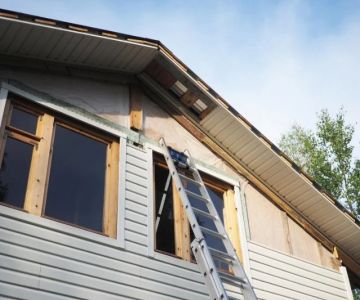
If it’s safe to do so, use a ladder to get a closer look at your roof. Avoid walking directly on your roof, as this can cause further damage, especially if your roof is already weakened by hail. Carefully inspect shingles for any visible cracks, dents, or missing pieces. Pay attention to areas where the roof is more exposed, like edges and corners.
3. Look for Damage in Other Areas
Besides the roof itself, hail damage can also affect other parts of your home. Check for dents or damage to skylights, vents, and gutters. If the hail was severe, you might also notice damage to exterior walls, windows, and even siding.
4. Steps to Take After Spotting Hail Damage
If you suspect your roof has been damaged by hail, it’s essential to take immediate action to prevent further issues:
1. Document the Damage
Take detailed photographs of any visible damage to your roof, gutters, or exterior. This documentation will be valuable when filing an insurance claim. Capture clear images of dented or cracked shingles, as well as any missing shingles or granule buildup in the gutters.
2. Contact Your Insurance Provider
Most homeowner's insurance policies cover hail damage. Contact your insurance company as soon as possible to report the damage and begin the claims process. A claims adjuster will typically visit your home to assess the damage and determine the extent of the coverage.
3. Hire a Professional Roofing Contractor
Once you've documented the damage and contacted your insurance provider, it’s time to call a professional roofing contractor. A licensed roofing contractor will conduct a thorough inspection and provide you with a detailed estimate for repairs or replacement. It’s important to choose a contractor who has experience dealing with hail damage and can work with your insurance company to ensure the repairs are covered appropriately.
5. Why You Should Get Professional Help for Roof Damage
While you can perform a basic inspection for hail damage on your own, it’s important to have a professional assess the full extent of the damage. Roofing contractors have the experience, tools, and training necessary to spot issues that may not be immediately apparent. Additionally, they can ensure that repairs are done correctly, preventing future problems like leaks or water damage.
For reliable roofing services, visit Total Roofing Hub for recommendations on trusted contractors and products. Getting professional help ensures your roof is repaired properly and protects your home for years to come.

 Skyline Designs Roofing5.0 (99 reviews)
 Perfect Roofing Installations4.0 (60 reviews)
 Dog Tags Construction LLC4.0 (16 reviews)
 Gutter Shutter of Central Maryland5.0 (9 reviews)
 Sam Cline Handyman Services4.0 (37 reviews)
 Paramount Builders Inc.4.0 (302 reviews)
 Should I Repair or Replace My Roof?
 Top 10 Signs Your Roof Needs Immediate Repair Before It’s Too Late
 The Pros and Cons of Vinyl Siding: Is It the Right Choice for Your Home?
 How to Choose a Reliable Roofing Contractor Near You – Expert Tips
 Top 10 Signs Your Roof Needs Immediate Repair You Shouldn’t Ignore
 How to Spot Hail Damage on Your Roof | Quick Guide for Homeowners