The Pros and Cons of Vinyl Siding
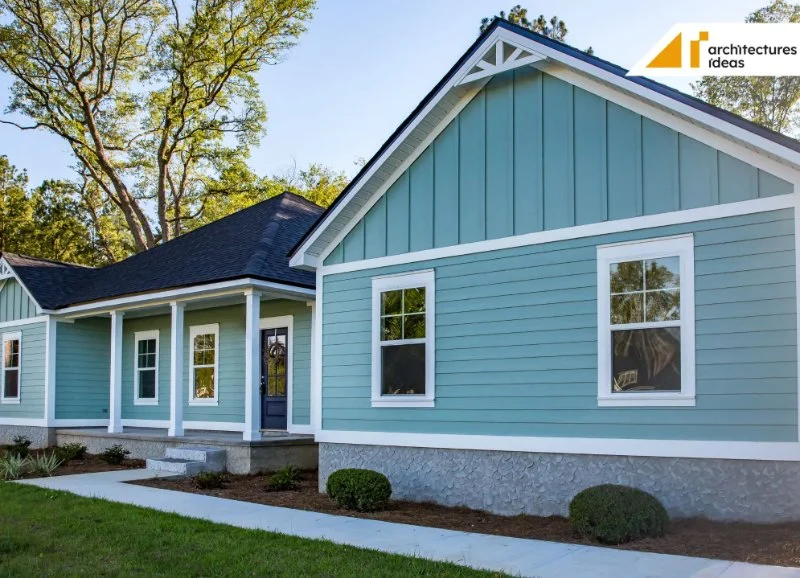
Vinyl siding has become one of the most popular choices for homeowners looking to update or upgrade the exterior of their homes. Its sleek appearance, durability, and low maintenance requirements make it an attractive option for many. However, like any building material, vinyl siding comes with its own set of pros and cons. In this article, we’ll break down everything you need to know about vinyl siding, from its benefits to its drawbacks, to help you determine if it's the right choice for your home.
- The Pros of Vinyl Siding
- The Cons of Vinyl Siding
- Cost Considerations
- Maintenance and Care
- Installation Process
1. The Pros of Vinyl Siding
Vinyl siding offers several advantages that make it a popular choice for many homeowners. Here are the key benefits:

MLM Home Improvement
WallingfordSouth Central Connecticut Planning RegionConnecticut
8 Fairfield Blvd STE 107, Wallingford, CT 06492, USA
Durability
One of the biggest selling points of vinyl siding is its durability. It’s resistant to the elements, including wind, rain, and sun exposure. Vinyl siding will not rot, warp, or crack like wood, making it a long-lasting investment for your home. It also resists fading, so its color stays vibrant for years.
Low Maintenance
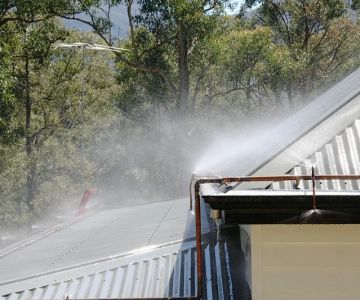
Unlike wood or other materials that require regular painting, vinyl siding is virtually maintenance-free. It doesn’t need to be repainted, and cleaning it is simple — just use a garden hose or pressure washer. This makes vinyl siding a perfect option for homeowners looking to minimize upkeep over time.
Energy Efficiency
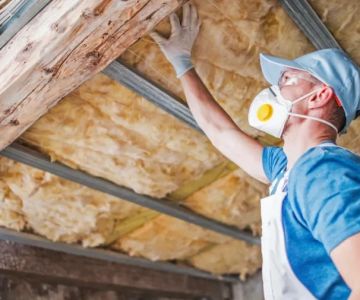
Modern vinyl siding often comes with insulating properties that can help increase your home’s energy efficiency. The added insulation can help keep your home warmer in the winter and cooler in the summer, potentially reducing your energy bills.
2. The Cons of Vinyl Siding
While vinyl siding has its benefits, it also has some downsides to consider:
Susceptibility to Damage
Although vinyl siding is durable, it is not indestructible. It can be damaged by extreme weather conditions, such as large hail or high winds. In some cases, vinyl siding may crack or become punctured if struck by debris, which can be costly to repair.
Limited Aesthetic Appeal
While vinyl siding comes in many colors and styles, it may not offer the same aesthetic appeal as other materials like natural wood or stone. Some homeowners may find the look of vinyl siding less appealing due to its synthetic appearance, especially when compared to the texture and natural beauty of wood or brick.
Environmental Impact
Vinyl siding is made from PVC (polyvinyl chloride), which is a plastic. Although it's durable, PVC production has a significant environmental impact, particularly in terms of energy consumption and the release of harmful chemicals. For homeowners looking for an environmentally-friendly option, vinyl siding may not be the best choice.
3. Cost Considerations
Cost is an important factor to consider when choosing siding for your home. Vinyl siding tends to be more affordable than materials like wood or fiber cement, making it an attractive option for budget-conscious homeowners. The cost of vinyl siding can vary based on the thickness, color, and design, but it’s generally less expensive to install and maintain than other materials.
4. Maintenance and Care
As mentioned, vinyl siding is relatively low maintenance compared to other materials. However, it still requires some care to keep it looking its best. Regular cleaning with a hose or pressure washer can help remove dirt and grime, and periodic inspections can catch small issues before they become major problems. The seams of vinyl siding can collect debris, so it’s important to check for buildup and clear it away to prevent mold or mildew growth.
5. Installation Process
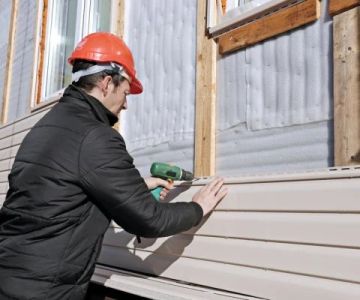
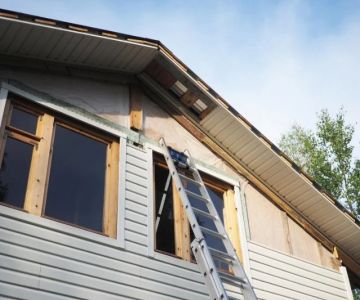
Vinyl siding is relatively easy to install, which can save you time and money on labor costs. It’s typically installed in horizontal panels that interlock with each other, creating a smooth, seamless appearance. Professional installers can complete the job quickly, often in a matter of days, depending on the size of your home.
One thing to note is that while vinyl siding is easier to install than materials like brick or stone, it still requires a certain level of expertise. DIY installation is possible, but it’s important to make sure the siding is installed correctly to prevent issues such as warping or uneven placement.
Conclusion
Vinyl siding is a popular choice for homeowners in the U.S. due to its affordability, durability, and low maintenance. However, it’s important to weigh the pros and cons before making your decision. While it offers many benefits, such as durability and energy efficiency, it also has some drawbacks, including susceptibility to damage and environmental concerns. Ultimately, whether vinyl siding is the right choice for your home will depend on your specific needs, budget, and aesthetic preferences.
For more information on roofing and siding options, visit our website at Total Roofing Hub for the latest products, services, and expert advice!
 Skyline Designs Roofing5.0 (99 reviews)
 Perfect Roofing Installations4.0 (60 reviews)
 Dog Tags Construction LLC4.0 (16 reviews)
 Gutter Shutter of Central Maryland5.0 (9 reviews)
 Sam Cline Handyman Services4.0 (37 reviews)
 Paramount Builders Inc.4.0 (302 reviews)
 Should I Repair or Replace My Roof?
 Top 10 Signs Your Roof Needs Immediate Repair Before It’s Too Late
 The Pros and Cons of Vinyl Siding: Is It the Right Choice for Your Home?
 How to Choose a Reliable Roofing Contractor Near You – Expert Tips
 Top 10 Signs Your Roof Needs Immediate Repair You Shouldn’t Ignore
 How to Spot Hail Damage on Your Roof | Quick Guide for Homeowners