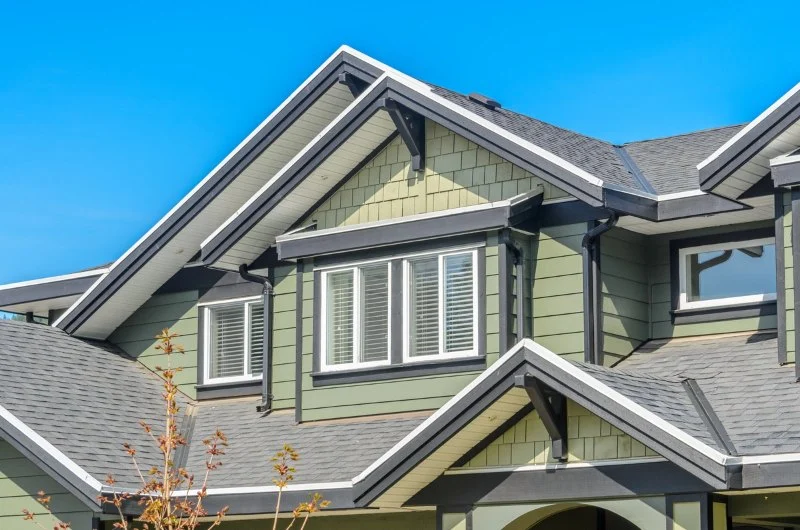
energy-star-siding-roofing – How to Choose the Right Energy-Star Rated Siding and Roofing Materials
energy-efficiency-materials – Benefits of Choosing Energy-Efficient Siding and Roofing
top-roofing-siding-options – Best Siding and Roofing Options for Energy Efficiency
cost-savings-energy-star-materials – How Energy-Star Rated Materials Save You Money
installation-energy-star-products – Installing Energy-Star Siding and Roofing: A Complete Guide
How to Choose the Right Energy-Star Rated Siding and Roofing Materials
When it comes to improving the energy efficiency of your home, selecting the right siding and roofing materials plays a critical role. In 2025, homeowners are becoming more aware of the benefits of Energy-Star rated materials, which not only help reduce energy consumption but also save money in the long term. But how do you choose the best materials for your home? Here’s a guide to making an informed decision.
Energy-Star rated siding and roofing materials are designed to reflect heat, reduce heat transfer, and improve insulation. These materials help your home stay cooler in the summer and warmer in the winter, which can significantly reduce your heating and cooling costs. When choosing these materials, it’s essential to consider several factors including your local climate, the style of your home, and the specific energy efficiency needs you have.
1. Local Climate Considerations
The materials you choose should align with the climate in your area. If you live in a hot climate, reflective roofing materials that keep your home cooler during the summer months are crucial. If you live in a colder region, materials that provide better insulation, such as insulated siding, will help keep your home warm and energy-efficient during the winter.
2. Style of Your Home
The style of your home can also influence the type of materials you choose. Traditional homes may benefit from materials that enhance their aesthetic, while modern homes may incorporate sleek and energy-efficient materials like metal roofing or fiber-cement siding. It’s important to find materials that balance both form and function.
3. Durability and Maintenance
Energy-Star rated materials often come with long-lasting warranties. Be sure to choose materials that not only improve energy efficiency but also stand the test of time. Metal roofing, for example, offers durability and low maintenance, making it a great choice for homeowners looking for a long-term investment.
For the best materials for your project, you can consult resources like Total Roofing Hub to find top-rated options that meet your specific energy needs.
Benefits of Choosing Energy-Efficient Siding and Roofing
Opting for Energy-Star rated siding and roofing materials offers numerous benefits, ranging from cost savings to environmental advantages. Let’s dive deeper into why energy-efficient materials are a smart choice for homeowners.
1. Lower Utility Bills
The most immediate benefit of choosing Energy-Star rated materials is a reduction in your monthly utility bills. These materials help regulate the temperature inside your home by reflecting heat away during the summer and insulating during the winter. Homeowners can expect to see significant savings on their energy bills, especially when paired with energy-efficient windows and insulation.
2. Increased Home Comfort
With better temperature regulation, your home will be more comfortable year-round. You’ll experience fewer fluctuations in indoor temperatures, which makes your living space more pleasant.
3. Environmental Impact
Energy-efficient materials help reduce your carbon footprint by decreasing the amount of energy needed to heat or cool your home. By using less energy, you’re also contributing to a greener, more sustainable environment.
4. Enhanced Home Value
Homes equipped with Energy-Star rated materials can see an increase in value due to their improved energy efficiency. Potential buyers are increasingly looking for homes that are both eco-friendly and cost-effective, making energy-efficient upgrades a great investment for the future.
By choosing the right materials, you’re not only improving your home's energy efficiency but also contributing to a more sustainable future.
Rigo's Roofing Installers Inc
4976 Crockett Martin Rd Ste 100, Conroe, TX 77306, USA
Best Siding and Roofing Options for Energy Efficiency
Now that you understand the benefits of Energy-Star rated materials, it’s time to explore the best options available. There are several types of siding and roofing materials that are Energy-Star certified and offer exceptional energy efficiency.
1. Cool Roofs
Cool roofs are designed to reflect more sunlight and absorb less heat than traditional roofs. Made from reflective materials, cool roofs help reduce cooling costs and extend the lifespan of your roof. Popular materials for cool roofs include reflective metal, asphalt shingles, and single-ply membranes.
2. Insulated Siding
Insulated vinyl siding is a popular choice for homeowners looking to improve their home's insulation. This type of siding comes with foam insulation, which helps maintain indoor temperatures by reducing heat transfer through the walls. It’s a great option for both energy efficiency and curb appeal.
3. Metal Roofing
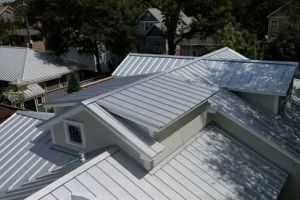
Metal roofs are not only durable and low-maintenance but also offer excellent energy efficiency. These roofs are highly reflective, which helps keep homes cooler in hot climates. In addition, metal roofing is a great option for areas prone to snow and ice, as it allows the snow to slide off easily, preventing buildup and potential damage.
4. Fiber-Cement Siding
Fiber-cement siding is a long-lasting and energy-efficient option. This material is resistant to fire, pests, and rot, while also offering great insulation properties. It can be painted to match any aesthetic and offers a high return on investment due to its durability and energy-saving qualities.
When selecting the best siding and roofing options for energy efficiency, it’s important to consider both your immediate needs and long-term goals. Researching materials that are tailored to your climate and home style is the best way to ensure you make an informed decision.
How Energy-Star Rated Materials Save You Money
While Energy-Star rated materials may require a higher upfront investment, the long-term cost savings can be significant. Let’s explore how these materials can help you save money over time.
1. Reduced Energy Consumption
Energy-efficient siding and roofing materials significantly reduce the amount of energy needed to heat and cool your home. By using less energy, you’ll see a noticeable reduction in your monthly utility bills. Over time, this can lead to substantial savings.
2. Tax Incentives and Rebates
In many cases, choosing Energy-Star rated materials can qualify you for tax incentives and rebates. These government programs are designed to encourage homeowners to make energy-efficient upgrades, which can further offset the initial cost of the materials.
3. Long-Term Durability
Energy-efficient materials like metal roofing and fiber-cement siding are built to last, meaning you won’t need to replace them as frequently as traditional materials. This reduces the long-term costs of maintenance and replacement.
By considering both the immediate and long-term financial benefits, you can make a decision that provides value for years to come.
Installing Energy-Star Siding and Roofing: A Complete Guide
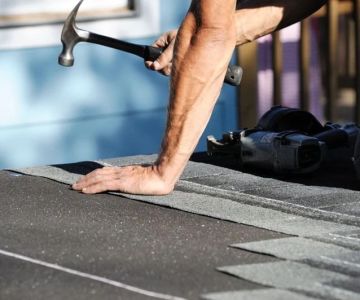
Installing Energy-Star rated siding and roofing materials requires careful planning and professional expertise. While some homeowners may choose to handle the installation themselves, it’s often best to hire experienced professionals who are familiar with the materials and installation requirements.
1. Professional Installation
Hiring a contractor with experience installing energy-efficient materials ensures that the job is done correctly and meets all necessary standards. Professional installation also helps maximize the energy-saving potential of your new materials.
2. DIY Installation
If you decide to tackle the installation yourself, be sure to thoroughly research the process and follow all manufacturer instructions. Materials like insulated siding may be easier to install for DIYers, while roofing installations typically require more advanced skills.
3. Maintenance and Care
Once installed, Energy-Star siding and roofing materials require minimal maintenance. However, routine inspections and upkeep will help maintain their performance and longevity, ensuring that they continue to deliver energy savings over time.
For guidance on installation and product recommendations, Total Roofing Hub offers expert advice and a range of high-quality energy-efficient materials.

 Roofing comercial padillas inc5.0 (1 reviews)
 Frank's Roofing Solutions4.0 (53 reviews)
 Blockbuster Roofing5.0 (64 reviews)
 Orange County 24 Hour Roofing Service4.0 (3 reviews)
 NYC Best Roofing Inc.5.0 (3 reviews)
 Craft Master Slate Roofing and Carpentry5.0 (1 reviews)
 Should I Repair or Replace My Roof?
 How Often Should You Replace Your Home's Siding? Expert Guide for Homeowners
 How to Budget for a Roof Replacement Project | Tips & Financing Options
 Top 10 Signs Your Roof Needs Immediate Repair: Protect Your Home
 How to Choose a Reliable Roofing Contractor Near You with Confidence
 How to Maintain Your Siding Year Round for Lasting Protection