
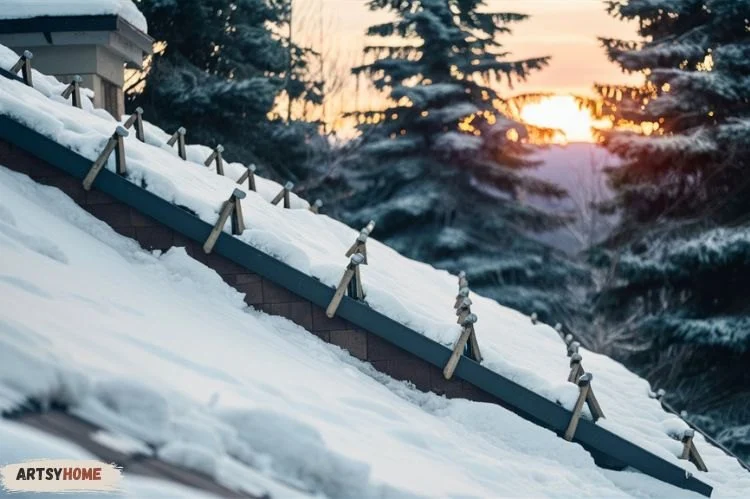
- What Are Snow Guards and Why Are They Important?
- The Seasonal Nature of Snow Guards
- Reasons to Remove Snow Guards After Winter
- How Removing Snow Guards Can Protect Your Roof
- How to Safely Remove Snow Guards From Your Roof
What Are Snow Guards and Why Are They Important?
Snow guards are devices installed on rooftops, primarily in areas that experience heavy snow. They prevent large, dangerous sheets of snow and ice from sliding off the roof and causing damage to property or people below. Snow guards are especially important in residential buildings, commercial properties, and any structure where snow accumulation is a concern.
While snow guards are vital during the winter months, they serve a specific function. In areas with heavy snowfall, they help control the movement of snow, preventing sudden slides and avalanches from damaging the roof or surroundings. However, when snow is no longer a concern, leaving snow guards in place can cause unnecessary wear and tear on your roof.
The Seasonal Nature of Snow Guards
Snow guards are designed with a particular purpose: to manage snow buildup during the winter. Once the season changes, however, their utility diminishes. In areas without snowfall, snow guards no longer serve any protective function and can even become a hindrance. Let’s explore the seasonal aspects of snow guards and why it’s essential to remove them after winter.
Armored Exteriors Roofing
WernersvilleBerks CountyPennsylvania
117 N Walnut St, Wernersville, PA 19565, USA
1. Snow Guards During Winter
During the cold months, snow guards perform an essential function by ensuring that snow is retained on the roof in a controlled way. This helps to avoid snow and ice buildup that could slide off in an uncontrolled manner. Snow guards help prevent damage to gutters, facades, or the landscape below. In areas where heavy snowfall is common, they are indispensable.
2. Snow Guards After Winter
Once the snow melts or the season ends, snow guards are no longer necessary in places where there’s little to no risk of future snow accumulation. In fact, leaving them in place year-round could be counterproductive. The purpose of snow guards is specifically tied to managing snow buildup, which doesn’t happen when the weather is warmer and clearer.
Reasons to Remove Snow Guards After Winter
Removing snow guards once winter is over, especially in areas that do not experience further snowfall, is critical for several reasons. Here are the key factors to consider:
1. Prevent Roof Damage
While snow guards are durable, they are designed to withstand the weight and pressure of snow. When left in place during the warmer months, they may cause unnecessary wear on your roof. Over time, this can lead to corrosion, rust, or even damage to the tiles or shingles. Regular maintenance and removal of snow guards can extend the lifespan of your roofing system.
2. Reduce the Risk of Water Damage
In areas that don’t see much snow, snow guards can actually trap rainwater, causing moisture buildup. Moisture can lead to roof leaks, mold growth, or other water-related issues. By removing snow guards after winter, you allow your roof to properly drain and minimize the risk of water-related damage.
3. Improve Roof Aesthetics
Snow guards are visible, and while they are functional, they might not enhance the appearance of your roof. By removing them when no longer needed, you improve your roof’s aesthetic appeal, leaving a cleaner, more streamlined look. This is especially important for homeowners looking to maintain the overall aesthetic of their property.
How Removing Snow Guards Can Protect Your Roof
Snow guards, while important during the winter, can actually cause long-term damage if left on a roof unnecessarily. Removing them when the threat of snow is gone has several protective benefits:
1. Prevent Structural Strain
By removing snow guards, you reduce any strain they may cause on your roof. When left in place, the guards can exert additional pressure on your roof structure, particularly during heavy rain or storms. This pressure can cause warping, breakage, or loosening of shingles, which could lead to expensive repairs.
2. Prevent Corrosion and Deterioration
Some snow guards are made from metal, and over time, exposure to the elements (especially rain, sun, and humidity) can lead to rust and corrosion. If snow guards are left in place for too long, they may deteriorate, causing them to fail or even become a hazard. Removing them promptly helps prevent such damage, keeping your roof intact for years to come.
3. Maintain Roof Drainage
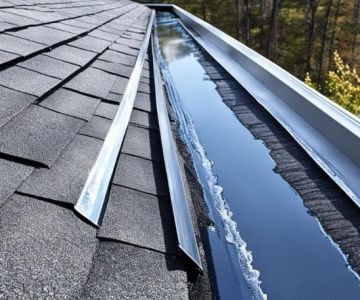
When snow guards are left on a roof after winter, they can interfere with proper drainage. During rainstorms, water can accumulate behind the guards and cause problems with drainage. This can increase the chances of water pooling on your roof, which may lead to leaks, mold growth, or even roof collapse in extreme cases. Removing snow guards allows water to flow freely off the roof, reducing these risks.
How to Safely Remove Snow Guards From Your Roof
Removing snow guards is not a simple task and should be done carefully to avoid damage to the roof. Here are some guidelines for safely removing snow guards:
1. Use the Right Tools
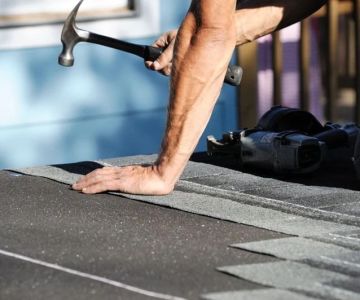
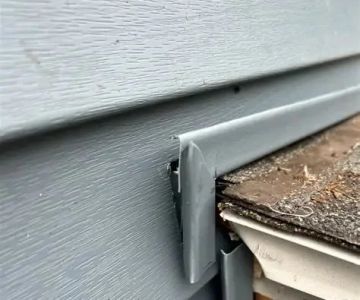
To remove snow guards safely, make sure you have the proper tools. You’ll need a ladder, a wrench or screwdriver (depending on how the snow guards are installed), and possibly a pry bar to remove stubborn guards. Be sure to use high-quality tools to avoid causing damage to your roof during the removal process.
2. Inspect the Roof for Damage
Before removing snow guards, inspect your roof for any damage that may have occurred during the winter. Check for loose shingles, signs of leaks, or any other issues that could require attention. If you spot any significant damage, it’s a good idea to address it before proceeding with snow guard removal.
3. Hire a Professional
If you’re unsure about removing snow guards yourself or feel uncomfortable working on your roof, it’s best to hire a professional roofer. A roofing expert can ensure that the guards are removed safely without causing any damage to the roof, and they can also check for other potential issues that may need to be addressed. For reliable roofing services, consider visiting Total Roofing Hub, where you can find experienced professionals to assist with snow guard removal and other roofing needs.
Removing snow guards after winter in areas without snow can protect your roof from unnecessary damage and prolong its lifespan. Whether you choose to tackle this task yourself or hire a professional, ensure that your roof remains in optimal condition by removing snow guards as soon as the weather clears up.
 Kelbie Home Improvement, Inc3.0 (7 reviews)
 Corey & Corey The Roofers Cape Cod, LLC4.0 (155 reviews)
 Texas Roofing Innovations5.0 (4 reviews)
 EBA Roofing, Inc5.0 (43 reviews)
 Preferred Exteriors, LLC5.0 (105 reviews)
 Pro Builders Home Improvement4.0 (31 reviews)
 Everything You Need to Know About Roof Warranties: A Complete Guide for Homeowners
 Ultimate Guide on How to Budget for a Roof Replacement Project
 Top 10 Signs Your Roof Needs Immediate Repair Before It’s Too Late
 Signs Your Roof Is Near the End of Its Lifespan – What to Look Out For
 Pros & Cons of Synthetic Slate or Rubber Roofing
 Best Roof Maintenance Tools for Homeowners