
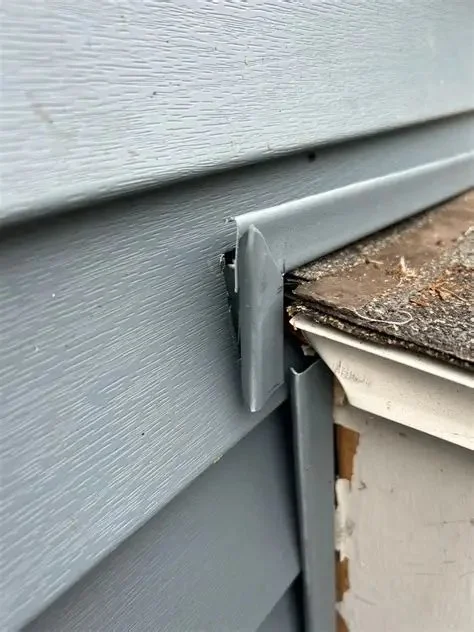
- 1 - Importance of Siding Trim Maintenance
- 2 - Understanding Eaves, Corners, and J-Channels
- 3 - How to Maintain Eaves
- 4 - Corner Trim Maintenance Tips
- 5 - Maintaining J-Channels for Optimal Performance
- 6 - Common Maintenance Mistakes to Avoid
1. Importance of Siding Trim Maintenance
Siding trim plays a vital role in protecting your home’s exterior and enhancing its curb appeal. Properly maintained trim, especially around the eaves, corners, and J-channels, helps prevent moisture buildup, pest infestations, and deterioration of your siding. Neglecting this part of your home can lead to costly repairs and premature replacement of the trim and siding materials.
By taking the time to maintain the siding trim regularly, you can increase the lifespan of your exterior, ensure its structural integrity, and maintain its aesthetic appeal. This article will walk you through the best practices for maintaining your siding trim, with a focus on key areas such as eaves, corners, and J-channels.

Best professional roofing
San MarcosSan Diego CountyCalifornia
605 Wil-Ev Dr, San Marcos, CA 92069, USA
2. Understanding Eaves, Corners, and J-Channels
Before diving into maintenance, it's important to understand what makes up the key elements of your siding trim. Each component has a unique function in protecting your home and requires different care strategies:

2.1 Eaves
The eaves are the part of the roof that extends beyond the walls of the house, and they help direct water away from the building. Eaves often have trim to prevent water from seeping into the walls. Because eaves are exposed to the elements, they can accumulate debris such as leaves and dirt, which can cause damage if not cleaned regularly.
2.2 Corners
The corners of your home are particularly vulnerable to damage because they receive the most exposure to the wind and weather. Properly sealed corner trim helps prevent moisture from entering the seams of your home, where it can lead to mold and rot. Corner trim must be inspected regularly for signs of cracking or wear.
2.3 J-Channels
J-channels are the trim pieces used to secure siding at the edges and around windows or doors. These channels allow for proper drainage and prevent water from getting behind the siding. Over time, J-channels can become clogged or damaged, which can lead to water infiltration and siding issues.
3. How to Maintain Eaves
Maintaining your eaves is essential for keeping your trim and siding intact. Here’s how to ensure they remain in top shape:
3.1 Clean the Eaves Regularly
Debris such as leaves, twigs, and dirt can collect in the eaves, particularly during the fall. This accumulation can clog gutters and cause water to overflow onto the trim, leading to potential damage. Regularly cleaning the eaves and gutters will help prevent these issues. Aim to clean your eaves at least twice a year, particularly after the leaves fall.
3.2 Inspect for Damage
Check your eaves for any signs of wear, such as cracks, rot, or signs of water damage. If you notice any damage, it's important to address it promptly to prevent further deterioration. Repairing small issues early can help avoid more expensive repairs down the line.
3.3 Apply Protective Coatings
For wood eaves, consider applying a protective finish or sealant to prevent moisture penetration. This will help extend the lifespan of your eaves and keep them looking great for years to come. Be sure to use a high-quality outdoor finish that is designed to withstand harsh weather conditions.
4. Corner Trim Maintenance Tips
Corner trims are crucial in protecting your home’s structure, and proper maintenance is key to preserving their integrity. Here’s how to care for your corner trim:
4.1 Check for Cracks and Gaps
Inspect the corners of your home for any visible cracks or gaps in the trim. These spaces can allow water and pests to enter, leading to rot and structural damage. Seal any gaps with caulk or a high-quality sealant to prevent moisture infiltration.
4.2 Repaint as Needed
Corner trim, especially if it’s made of wood, may require a fresh coat of paint every few years to keep it protected from the elements. Choose a paint that is durable and suited for outdoor use, such as exterior-grade paint with a protective finish to prevent peeling and cracking.
4.3 Replace Damaged Trim
If the corner trim is severely damaged or rotting, it’s best to replace it. Replacing small sections of corner trim is easier and more cost-effective than allowing the damage to spread and affect other areas of your home’s exterior.
5. Maintaining J-Channels for Optimal Performance
J-channels help secure the siding and prevent water from getting behind it. Here’s how to maintain your J-channels:
5.1 Clear Clogs and Debris
J-channels are designed to direct water away from your home, but they can become clogged with debris, especially in areas with heavy tree cover. Make sure to clean the channels regularly to ensure proper drainage. A simple rinse with a hose or pressure washer can clear out leaves, dirt, and other blockages.
5.2 Inspect for Cracks
Over time, J-channels can crack or break, allowing water to seep behind the siding. Inspect the channels periodically for any damage, especially after severe weather. If you notice cracks, replace the damaged sections to maintain the integrity of your siding system.
5.3 Ensure Proper Alignment
Check that the J-channels are properly aligned and securely fastened to the house. Misaligned or loose J-channels can lead to water infiltration and cause significant damage to your home’s exterior. Tighten any loose fasteners and adjust the alignment as needed.
6. Common Maintenance Mistakes to Avoid
While maintaining your siding trim is relatively straightforward, there are some common mistakes that can lead to problems down the line. Here are a few things to avoid:
6.1 Ignoring Small Issues
Small cracks, gaps, or pieces of damaged trim may seem insignificant, but they can lead to bigger problems over time. It’s important to address minor issues promptly to prevent them from growing into more expensive repairs.
6.2 Using the Wrong Cleaning Products
When cleaning your trim, avoid harsh chemicals or abrasive materials that could damage the finish. Instead, use gentle cleaners and soft brushes to maintain the appearance of your trim while protecting the materials.
6.3 Skipping Regular Inspections
Even if your siding trim appears to be in good condition, it’s important to inspect it regularly for signs of wear or damage. Proactive inspections can help catch problems early and save you from costly repairs later.
Maintaining your siding trim, including eaves, corners, and J-channels, is essential for keeping your home protected and looking its best. By following these tips and performing regular maintenance, you can ensure your siding lasts for many years to come. If you need help with your siding or trim maintenance, consider visiting LifeStar Car Rental for professional services and product recommendations to assist with your home’s exterior care.



 Kelbie Home Improvement, Inc3.0 (7 reviews)
 Corey & Corey The Roofers Cape Cod, LLC4.0 (155 reviews)
 Texas Roofing Innovations5.0 (4 reviews)
 EBA Roofing, Inc5.0 (43 reviews)
 Preferred Exteriors, LLC5.0 (105 reviews)
 Pro Builders Home Improvement4.0 (31 reviews)
 Everything You Need to Know About Roof Warranties: A Complete Guide for Homeowners
 Ultimate Guide on How to Budget for a Roof Replacement Project
 Top 10 Signs Your Roof Needs Immediate Repair Before It’s Too Late
 Signs Your Roof Is Near the End of Its Lifespan – What to Look Out For
 Pros & Cons of Synthetic Slate or Rubber Roofing
 Best Roof Maintenance Tools for Homeowners