- What Are Asphalt Shingles?
- Understanding Synthetic Roofing Products
- Pros and Cons of Asphalt Shingles
- Pros and Cons of Synthetic Roofing Products
- Cost Comparison Between Asphalt and Synthetic Roofing
- Durability and Lifespan Comparison
- Which Roofing Material Is Best for You?
1. What Are Asphalt Shingles?
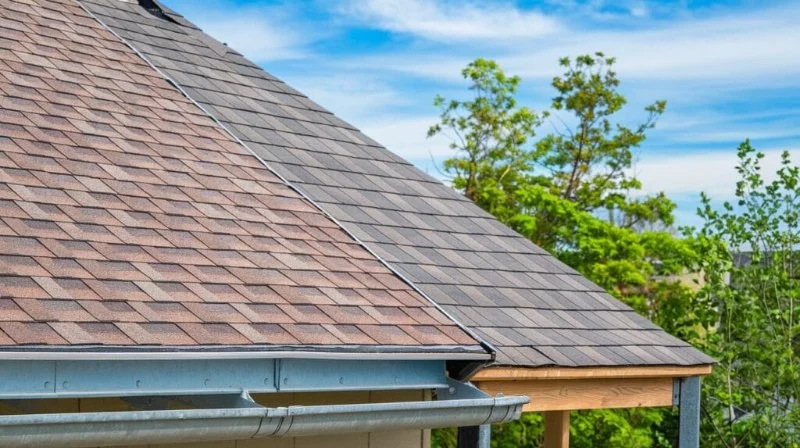
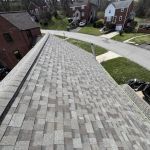
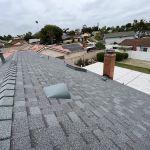
Asphalt shingles are one of the most common types of roofing materials used in residential homes across the United States. They are made from a fiberglass base coated with asphalt and then topped with mineral granules. These shingles are favored for their affordability, ease of installation, and ability to provide a reliable roofing solution for homeowners. Asphalt shingles are available in various styles, including three-tab, architectural, and dimensional options, each offering a different look and level of durability.
While asphalt shingles have been the go-to roofing material for decades, homeowners today are also considering synthetic roofing products as an alternative. But how do they stack up? Let's dive deeper into the comparison of asphalt shingles and synthetic roofing products to understand the advantages and drawbacks of each material.

2. Understanding Synthetic Roofing Products
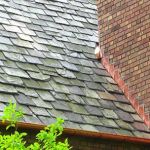
Synthetic roofing products are a newer innovation designed to mimic the look and feel of traditional materials like wood, slate, or even clay tiles. These products are typically made from a combination of polymers, rubber, or plastic, and they come in a variety of forms, including shingles, tiles, and shakes. The key selling points of synthetic roofing products are their durability, lightweight nature, and eco-friendly manufacturing processes.
Some common examples of synthetic roofing materials include rubber shingles (often made from recycled tires), polymer-based roofing systems, and composite roofing materials. These synthetic products are designed to offer the aesthetic appeal of high-end materials like slate or wood without the associated weight or maintenance needs. But are they really worth the investment compared to traditional asphalt shingles? Let’s take a closer look.

3. Pros and Cons of Asphalt Shingles
Asphalt shingles have been a staple of the roofing industry for decades, and there are good reasons for their widespread use. Here are some of the key pros and cons of asphalt shingles:
Pros
- Cost-Effective: Asphalt shingles are generally more affordable than most other roofing materials, making them a popular choice for homeowners on a budget.
- Ease of Installation: Asphalt shingles are relatively easy to install, which can help reduce installation costs and time.
- Variety of Styles: Asphalt shingles come in many colors, textures, and styles, allowing homeowners to choose an option that suits their aesthetic preferences.
- Established Reputation: Asphalt shingles have been around for a long time, so they have a proven track record in terms of performance and reliability.
Cons
- Limited Lifespan: While asphalt shingles can last 20-30 years, they typically have a shorter lifespan compared to synthetic materials like composite or synthetic slate shingles.
- Vulnerable to Weather Damage: Asphalt shingles are prone to cracking, curling, and warping under extreme weather conditions such as high winds, hail, or prolonged sun exposure.
- Environmental Impact: Asphalt shingles are not the most eco-friendly option since they are made from petroleum-based materials, and they can contribute to landfill waste once they reach the end of their lifespan.
4. Pros and Cons of Synthetic Roofing Products
Synthetic roofing materials, while newer, offer several advantages over traditional asphalt shingles. However, they also come with some downsides. Here's an overview:
Pros
- Exceptional Durability: Synthetic roofing products are often more durable than asphalt shingles, with many options offering warranties of 50 years or more. They are highly resistant to cracking, fading, and damage from the elements.
- Lightweight: Many synthetic materials are lighter than traditional roofing options, making them easier to handle during installation and reducing strain on the structure of the house.
- Eco-Friendly: Many synthetic roofing materials are made from recycled materials, making them a more sustainable choice compared to asphalt shingles.
- Aesthetic Variety: Synthetic products can replicate the look of expensive materials like slate or wood, allowing homeowners to achieve a high-end look at a more affordable price.
Cons
- Higher Initial Cost: Synthetic roofing products can be more expensive upfront than asphalt shingles, although the long-term durability may justify the higher price.
- Limited Availability: Synthetic materials may not be as widely available as asphalt shingles, and not all roofing contractors may have experience with these newer products.
- Appearance Issues: While synthetic materials can replicate the look of natural stone or wood, some homeowners find that the appearance doesn’t always match the real thing.
5. Cost Comparison Between Asphalt and Synthetic Roofing
When it comes to cost, asphalt shingles are typically much cheaper than synthetic roofing products. Asphalt shingles can cost anywhere from $90 to $100 per square (100 square feet) for basic three-tab varieties, while higher-end architectural shingles may cost around $120 to $150 per square.
Synthetic roofing products, on the other hand, generally come with a higher price tag. For example, synthetic slate or composite shingles can cost anywhere from $300 to $500 per square. While this is a significant increase in initial investment, the extended lifespan and reduced maintenance costs over time may make synthetic products a better long-term value.
6. Durability and Lifespan Comparison
In terms of durability, synthetic roofing products tend to outlast asphalt shingles. Asphalt shingles typically last 20 to 30 years, while high-quality synthetic roofing materials can last 50 years or more, with some even offering lifetime warranties. Synthetic options are also more resistant to weather damage, such as cracking, fading, and warping, which can be a concern with asphalt shingles, especially in areas with harsh weather conditions.
7. Which Roofing Material Is Best for You?
Ultimately, the choice between asphalt shingles and synthetic roofing products comes down to your budget, aesthetic preferences, and long-term goals for your roof. If you are looking for an affordable, traditional roofing material that gets the job done, asphalt shingles are a solid choice. However, if you are willing to invest in a more durable, eco-friendly, and low-maintenance option, synthetic roofing products may be the better choice.
To make the best decision, it's a good idea to consult with a roofing professional who can evaluate your needs and help guide you toward the right roofing material. At Total Roofing Hub, we provide expert advice and high-quality roofing materials to help you find the perfect solution for your home.

 Roofing comercial padillas inc5.0 (1 reviews)
 Frank's Roofing Solutions4.0 (53 reviews)
 Blockbuster Roofing5.0 (64 reviews)
 Orange County 24 Hour Roofing Service4.0 (3 reviews)
 NYC Best Roofing Inc.5.0 (3 reviews)
 Craft Master Slate Roofing and Carpentry5.0 (1 reviews)
 Should I Repair or Replace My Roof?
 How Often Should You Replace Your Home's Siding? Expert Guide for Homeowners
 How to Budget for a Roof Replacement Project | Tips & Financing Options
 Top 10 Signs Your Roof Needs Immediate Repair: Protect Your Home
 How to Choose a Reliable Roofing Contractor Near You with Confidence
 How to Maintain Your Siding Year Round for Lasting Protection