How to Budget for a Roof Replacement Project
- 1. Why Budgeting for a Roof Replacement is Essential
- 2. Steps to Budget for a Roof Replacement Project
- 3. Hidden Costs to Consider in Your Roof Replacement Budget
- 4. Tips for Saving on Your Roof Replacement
Roof replacement is a significant home improvement project that can come with a hefty price tag. Whether your roof is showing signs of wear or you've experienced severe damage, replacing it is often a necessity. But before you dive into the process, it’s essential to plan your budget carefully to avoid unexpected costs that could strain your finances. A well-thought-out roof replacement budget will not only help you manage expenses but also ensure you get the best value for your investment.

Why Budgeting for a Roof Replacement is Essential
When it comes to home improvements, few projects are as important as a roof replacement. The roof protects your home from the elements, so getting the job done right is crucial. However, without proper budgeting, the cost of replacing a roof can quickly spiral out of control. In this article, we’ll walk you through the steps to budget effectively for a roof replacement, helping you make informed decisions while keeping your finances in check.
Steps to Budget for a Roof Replacement Project
1. Assess the Size and Complexity of Your Roof
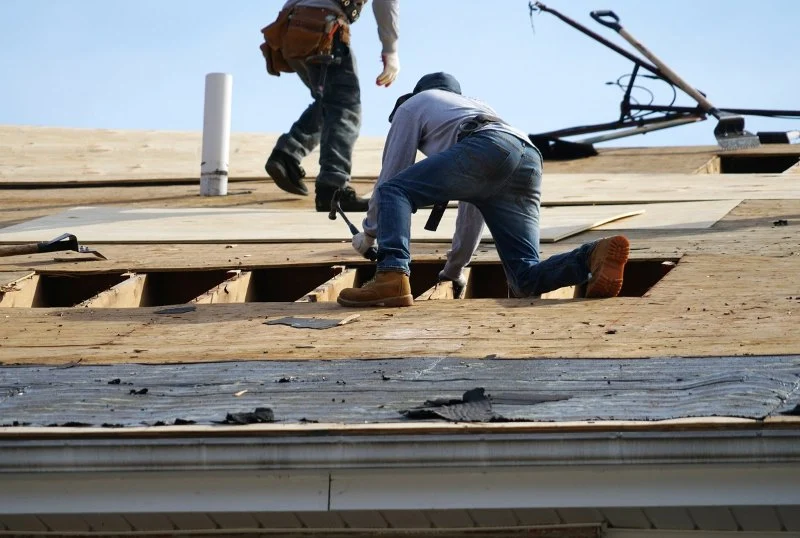
The first step in budgeting for a roof replacement is determining the size and complexity of your roof. The cost of roof replacement is largely influenced by the square footage of the roof and the materials used. A large, steep roof will cost more to replace than a smaller, flat roof. Be sure to measure the roof and understand its unique characteristics before getting quotes from contractors. If you have a multi-story home, the labor costs may be higher due to the increased difficulty of working at height.

2. Research Roofing Materials
The type of roofing material you choose plays a major role in the cost of your project. Common roofing materials include asphalt shingles, metal roofing, wood shakes, and tile. While asphalt shingles are the most affordable option, other materials like metal or tile may be more expensive but offer greater durability and long-term value. Consider the lifespan, energy efficiency, and aesthetic appeal of the materials before making a decision. Your roofing contractor can help you weigh the pros and cons of each material based on your needs and budget.
3. Get Multiple Quotes from Roofing Contractors
To ensure you're getting the best price for your roof replacement, it’s crucial to get quotes from at least three different roofing contractors. Each contractor will assess your roof and provide a detailed estimate, which should include labor, materials, and any additional services. By comparing quotes, you can get a sense of what is considered a fair price in your area and avoid overpaying. Keep in mind that the cheapest quote may not always be the best choice—consider the quality of materials and the reputation of the contractor as well.
4. Factor in Additional Expenses
When budgeting for a roof replacement, it’s essential to factor in any additional expenses beyond the basic costs of materials and labor. These can include:
- Permits: Depending on your location, you may need a permit for a roof replacement.
- Roof Decking: In some cases, the roof decking (the wood structure beneath the shingles) may need to be replaced if it’s damaged.
- Old Roof Removal: If your old roof needs to be removed before installing the new one, this will add to the cost.
- Disposal Fees: The cost of removing and disposing of the old roofing materials can add up.
Hidden Costs to Consider in Your Roof Replacement Budget
1. Unexpected Structural Damage
One of the biggest hidden costs of a roof replacement is the potential for underlying structural damage. When the old roofing materials are removed, issues like water damage, mold, or rot may be revealed. If structural repairs are needed, this can significantly increase the overall cost of the project. To mitigate this risk, it's a good idea to have your roof inspected thoroughly before starting the replacement process, so you can plan for any additional repairs.
2. Weather-Related Delays
Roof replacement projects are often delayed by weather conditions, particularly in regions with heavy rainfall or snow. If bad weather causes delays, you may incur additional labor costs or equipment rental fees. Make sure to factor in the possibility of delays when planning your project timeline and budget.
3. Roof Ventilation and Insulation
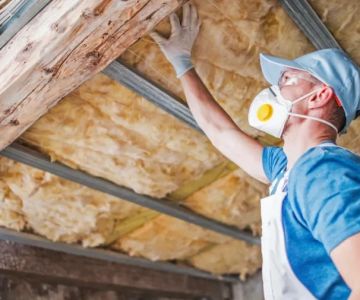
In many cases, it’s a good idea to upgrade your roof’s ventilation and insulation while replacing the roof. Poor ventilation can lead to higher energy bills and cause damage to your roof structure over time. Adding or upgrading insulation can help improve energy efficiency, but it’s an additional cost that should be considered in your overall roof replacement budget.
Tips for Saving on Your Roof Replacement
1. Do Some Work Yourself
If you're handy and have the time, you may be able to save money by removing the old roof yourself before the contractors arrive. Keep in mind that roof removal can be dangerous and time-consuming, so only attempt this if you're confident in your abilities. It’s also important to check with your contractor to make sure this won’t affect your warranty or insurance coverage.
2. Consider Off-Season Scheduling
Roofing contractors tend to be busiest during the summer and early fall months. By scheduling your roof replacement during the off-season (late fall or winter), you may be able to negotiate a lower price, as contractors are often more willing to offer discounts during slower periods.
3. Look for Special Offers or Discounts
Many roofing companies offer seasonal promotions or discounts. Be sure to ask about any available deals before committing to a contractor. Additionally, if you're replacing the roof on a larger property, ask if there are bulk discounts for larger projects.
If you’re looking for a reliable roofing contractor and quality roofing materials, visit Total Roofing Hub. We offer expert advice, top-notch products, and professional services that can help you stay within budget while ensuring the best quality for your roof replacement project.
 Marc Joseph remodeling5.0 (1 reviews)
 PRS Roofing Inc5.0 (9 reviews)
 KAPS CONSTRUCTION4.0 (5 reviews)
 Marshall Exteriors, LLC4.0 (213 reviews)
 S.W.A.T. Roofing & Consulting4.0 (46 reviews)
 MATFI RENOVATIONS LLC5.0 (23 reviews)
 Siding Material Fire Ratings: What’s Required & What to Choose
 Roof Talk: Common Terminology Every Homeowner Should Know
 How Often Should You Replace Your Home's Siding? Expert Tips on Siding Longevity
 The Average Lifespan of Asphalt Shingle Roofs: How Long Do They Last?
 How to Choose a Reliable Roofing Contractor Near You | Top Tips and Questions
 Should I Repair or Replace My Roof? – Expert Guide for U.S. Homeowners