Pros & Cons of Synthetic Slate or Rubber Roofing
- 1. What is Synthetic Slate Roofing?
- 2. Advantages of Synthetic Slate Roofing
- 3. Disadvantages of Synthetic Slate Roofing
- 4. Rubber Roofing vs. Synthetic Slate
- 5. Choosing Synthetic Slate for Your Home
- 6. Why Choose Total Roofing Hub
1. What is Synthetic Slate Roofing?
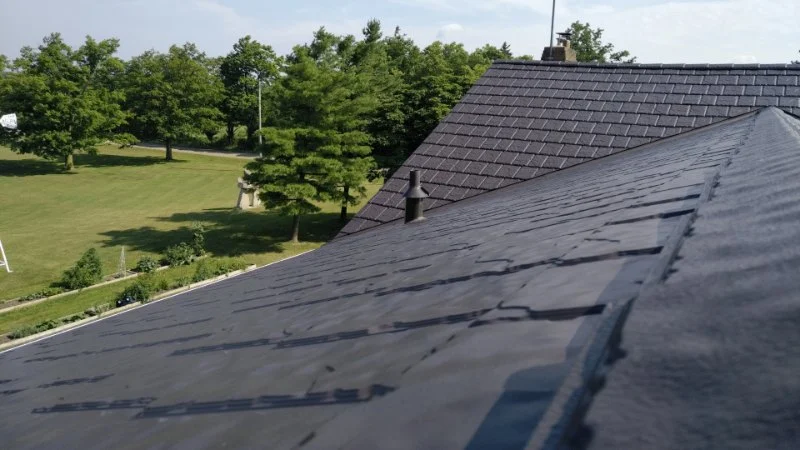
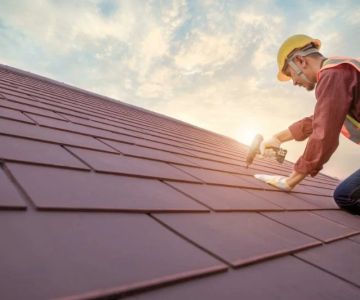
Synthetic slate roofing is a modern alternative to traditional slate roofs, crafted from a variety of materials like rubber, plastic, or polymer. Designed to mimic the appearance of natural slate, these synthetic roofing materials provide the same aesthetic appeal but often come at a lower cost and with improved durability. Manufacturers typically use advanced processes to produce tiles that resemble natural slate in both texture and color.
2. Advantages of Synthetic Slate Roofing
Many homeowners opt for synthetic slate roofing due to its numerous advantages. Here’s a deeper look at why you should consider this roofing option:
1. Cost-Effective
Compared to natural slate, synthetic slate is significantly more affordable. The material is lighter, and its production costs are lower, which results in a more budget-friendly roofing solution. Additionally, synthetic slate installation can be more cost-efficient, as the lightweight nature of the tiles makes them easier to handle.
2. Durability and Longevity
One of the standout features of synthetic slate is its durability. It is engineered to withstand harsh weather conditions, including extreme temperatures, high winds, and heavy rainfall. Many synthetic slate materials also come with long warranties, often ranging from 30 to 50 years, making it a long-term investment for your home.
3. Lightweight
Synthetic slate roofing is significantly lighter than natural slate, which reduces the stress on your roof structure and makes it easier to handle during installation. This can also lower overall labor costs and speed up the installation process.
4. Eco-Friendly
Many synthetic slate products are made from recycled materials, contributing to a more sustainable roofing option. By choosing synthetic slate, you are helping to reduce the environmental impact associated with quarrying natural slate.
3. Disadvantages of Synthetic Slate Roofing
While synthetic slate roofing offers many benefits, there are some downsides to consider before making your decision. Let’s explore the potential drawbacks:
1. Quality Variations
Not all synthetic slate materials are created equal. The quality of synthetic slate can vary depending on the manufacturer, so it’s essential to do thorough research and choose a reputable brand. Low-quality options may not provide the same durability or aesthetic appeal as higher-end products.
2. Limited Historical Charm
While synthetic slate roofing can closely mimic the look of traditional slate, it may lack the timeless appeal and authenticity of natural stone. If you’re looking to preserve the historical value of a building or home, synthetic slate may not provide the same level of authenticity that some homeowners desire.
3. UV Degradation
Some synthetic slate materials may be prone to fading or degradation when exposed to prolonged UV exposure. This can result in a slight loss of color or a weathered look over time, which may require more frequent maintenance or replacement compared to natural slate roofs.
4. Rubber Roofing vs. Synthetic Slate
When choosing between rubber roofing and synthetic slate, it's important to understand the key differences between the two. Here’s a comparison to help you decide:
1. Appearance
Synthetic slate roofs closely resemble natural slate with a more refined, traditional appearance, while rubber roofing typically looks more modern and industrial. If you’re looking for a traditional, classic look, synthetic slate may be the better option.
2. Durability
Both materials are durable, but synthetic slate tends to perform better in extreme weather conditions. Rubber roofing is more flexible, making it more resistant to cracking, but synthetic slate tends to outperform rubber in terms of overall longevity and resistance to environmental wear and tear.
3. Cost
Rubber roofing is generally more affordable than synthetic slate, but it may not offer the same long-term benefits. If you are on a tight budget but still want a durable roof, rubber roofing could be a viable option. However, synthetic slate offers a more premium aesthetic and longer-lasting performance.
5. Choosing Synthetic Slate for Your Home
When selecting synthetic slate for your roof, it’s essential to consider your home’s architectural style, your budget, and the specific performance features you’re looking for. Be sure to choose a high-quality product from a trusted manufacturer and work with an experienced roofing contractor to ensure proper installation. If you want to combine durability with traditional beauty, synthetic slate might be the ideal option for you.
6. Why Choose Total Roofing Hub
If you’re ready to invest in a synthetic slate roof, Total Roofing Hub can help guide you through the selection and installation process. We offer a wide range of roofing materials, including premium synthetic slate options, and work with expert contractors who are experienced in installing these materials. Whether you need advice on the best options for your home or help with the installation, we are here to assist you.
Contact us today to learn more about synthetic slate roofing and how it can enhance the beauty and durability of your home.

 Bestway Roofing Inc5.0 (36 reviews)
 Jack Hall Jr's Construction Aluminum4.0 (250 reviews)
 Alternative Roofing, Inc.4.0 (112 reviews)
 Mid-State Roofing LLC5.0 (2 reviews)
 Building Maintenance Plus4.0 (12 reviews)
 Hammond Lumber Company4.0 (89 reviews)
 What’s the Best Time of Year to Replace Your Roof? | Total Roofing Guide
 How Much Does a New Roof Cost in 2025? Complete Homeowner Guide
 The Pros and Cons of Vinyl Siding: Is It the Right Choice for Your Home?
 Best Roofing Materials for Cold Climates | Durable Roof Options
 What to Expect During a Roof Inspection – Comprehensive Guide for Homeowners
 Vinyl Siding vs Board and Batten Styles – Pros & Cons Explained for Homeowners