
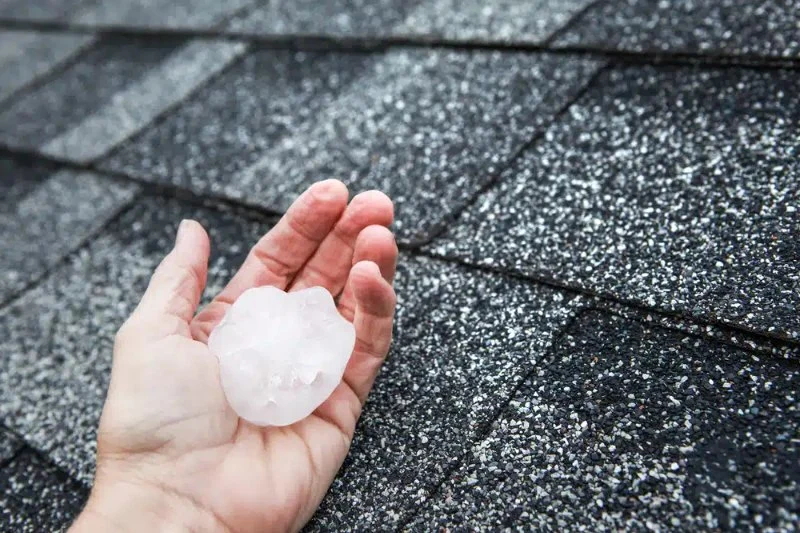
- Why Hail Damage is Dangerous
- Common Signs of Hail Damage on Your Roof
- How to Inspect Your Roof for Hail Damage
- How to Handle Hail Damage on Your Roof
- Why Choose Total Roofing Hub for Roof Repair
Why Hail Damage is Dangerous
Hailstorms are a common cause of roof damage, and if you live in an area prone to such storms, it's essential to understand how to spot hail damage on your roof. Even small hailstones can cause significant damage to your roofing system, which might not be immediately obvious. If left unaddressed, hail damage can lead to leaks, mold, and more costly repairs down the line.
Hail can cause your roof to wear down prematurely, especially when it creates cracks in shingles or causes granule loss. Over time, this damage can weaken the roof’s integrity, compromising your home’s protection against the elements. Regularly inspecting your roof after hailstorms is a crucial step in maintaining your home’s safety and value.

Common Signs of Hail Damage on Your Roof
Hail damage can manifest in a variety of ways, depending on the size of the hail, the roofing material, and the intensity of the storm. Below are some of the most common signs of hail damage that you should watch for:

1. Dents and Dings on Shingles
The most obvious sign of hail damage on asphalt shingles is dents or dings. These marks are caused when hailstones strike the shingles, leaving visible indentations. In some cases, you may notice areas where the granules have been knocked off the shingles, leaving them exposed to the elements. This can shorten the lifespan of your shingles and lead to more damage over time.
2. Cracked or Split Shingles
Large hailstones can cause asphalt shingles to crack or even split. These cracks create entry points for water, which can lead to leaks inside your home. If you notice any cracks in your shingles, especially near the edges, it’s a sign that the hail damage may be severe enough to warrant roof repairs or replacement.
3. Granule Loss
Granules on asphalt shingles serve as protection from UV rays and help to prevent water from penetrating the roof. After a hailstorm, it’s common to find granules in your gutters or downspouts. If you see large amounts of granule loss, it’s a clear indicator that the shingles have been damaged by hail and are no longer functioning at their best.
4. Dents in Metal Roofing
If you have a metal roof, look for dents or divots caused by the impact of hailstones. While metal roofing is generally more durable than asphalt shingles, large hailstones can still cause damage. These dents can weaken the protective coating on the metal and expose it to rust and corrosion.
5. Damage to Roof Flashing
Roof flashing is the material used around chimneys, vents, and skylights to prevent water from seeping into your home. Hailstones can damage this flashing, leading to leaks or water infiltration. Check the flashing around these areas for any dents, cracks, or warping that may have been caused by hail impact.
How to Inspect Your Roof for Hail Damage
Inspecting your roof for hail damage requires a keen eye and a few safety precautions. Here’s how you can inspect your roof after a hailstorm:
1. Safety First
Before climbing up on the roof, ensure you’re following safety protocols. Use a sturdy ladder and make sure the roof is dry and not slippery. If you're uncomfortable or unsure about climbing on your roof, it’s best to hire a professional to do the inspection for you.
2. Look for Damage from the Ground
If you don’t want to climb onto your roof, you can still spot hail damage from the ground. Look for any visible signs of damage, such as missing shingles, bent flashing, or dented gutters. You can also use binoculars to get a closer look at the condition of your roof without risking your safety.
3. Inspect the Roof Surface
Use a ladder to carefully inspect the roof surface. Look for missing granules, cracks, or other signs of damage to the shingles. For metal roofs, check for any visible dents or divots that may have been caused by hail. Inspect the flashing around chimneys, skylights, and vents for any visible damage.
4. Check the Attic for Water Leaks
Sometimes the damage from hail isn’t immediately visible on the roof itself. If you notice water stains on the ceilings or walls inside your home, it could be a sign of a leak caused by hail damage. Check your attic for any water infiltration or signs of moisture, which can help pinpoint areas of damage on the roof.
How to Handle Hail Damage on Your Roof
If you find that your roof has been damaged by hail, it’s important to take action quickly to prevent further damage. Here’s how to handle hail damage:
1. Contact Your Insurance Company
Hail damage is typically covered by most homeowner’s insurance policies. If you notice significant damage to your roof, contact your insurance company to file a claim. Many insurance companies will send an adjuster to assess the damage, and the coverage will help offset the cost of repairs or replacement.
2. Call a Professional Roofing Contractor
It’s always a good idea to have a professional roofing contractor inspect the damage. A licensed roofer will be able to provide a detailed assessment of the damage, offer repair or replacement solutions, and give you an estimate for the work needed. Be sure to get multiple quotes to ensure you’re getting a fair price.
3. Temporary Repairs
If the damage is causing leaks, you may need to make temporary repairs until the full repair or replacement can be completed. Use a tarp to cover the damaged areas and prevent further water damage inside your home. However, it’s essential to get permanent repairs as soon as possible to avoid more extensive damage.
Why Choose Total Roofing Hub for Roof Repair
If you’ve experienced hail damage, Total Roofing Hub is here to help. Our team of expert roofing contractors is experienced in dealing with all types of roof damage, including hail damage. We provide reliable, cost-effective solutions to repair or replace your roof, ensuring your home stays protected.
With years of experience and a commitment to quality, Total Roofing Hub is your trusted partner for roof repairs after a hailstorm. Contact us today to schedule your roof inspection and get a free estimate for repairs!

 Curb Appeal Solutions4.0 (766 reviews)
 Carswell Construction and Restoration4.0 (57 reviews)
 Paramount Roofing & Remodeling4.0 (54 reviews)
 The Brothers That Just Do Gutters4.0 (182 reviews)
 All American Roofing Solutions3.0 (5 reviews)
 Schulte Roofing5.0 (1 reviews)
 How Roof Decking Condition Affects Overall Roofing Cost
 Best Time of Year to Replace Your Roof | Total Roofing Hub
 How to Spot Hail Damage on Your Roof and What to Do About It
 Best Time of Year to Replace Your Roof: A Seasonal Guide for Homeowners
 Top Questions to Ask a Roofing Contractor Before Hiring
 Everything You Need to Know About Roof Warranties: Coverage, Types, and Claims