
- What Are Roof Warranties
- Types of Roof Warranties
- How to Choose a Roof Warranty
- Common Issues with Roof Warranties
- How to Make a Roof Warranty Claim
- Roof Warranty Recommendations
What Are Roof Warranties?
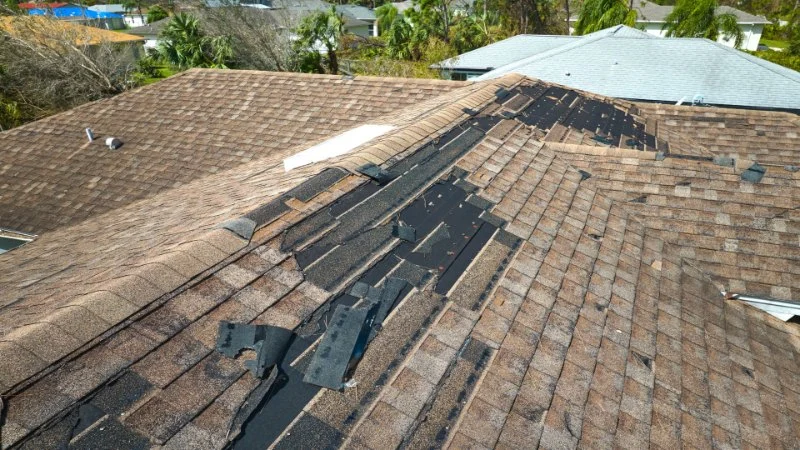
Roof warranties are crucial for homeowners and businesses alike, offering protection for the roof against defects or damages that may occur due to manufacturing issues or poor installation. In the event of roof damage or failure, having a solid roof warranty can save significant repair or replacement costs.
Typically, roof warranties come with different coverage types and terms, varying from one provider to another. The key point to remember is that a roof warranty should cover both material defects and installation errors. This provides peace of mind, knowing that you're protected if things go wrong after the installation.

Types of Roof Warranties
There are several types of roof warranties that homeowners and businesses may encounter, each offering distinct protections. Understanding these different warranties will help you choose the best option for your roofing needs.
1. Manufacturer's Warranty
This warranty covers defects in the roofing materials themselves. For example, if the shingles or tiles you’ve installed are defective, this warranty ensures they are replaced free of charge. The length of a manufacturer’s warranty typically varies, with some lasting up to 50 years, depending on the material quality and manufacturer.
2. Workmanship Warranty
Unlike the manufacturer’s warranty, a workmanship warranty protects against issues that arise from poor installation or craftsmanship. For instance, if the roofing contractor installs the roof improperly, causing leaks or damage, the workmanship warranty will cover the cost of repairs. Workmanship warranties typically last from 1 to 10 years, depending on the terms provided by the contractor.
3. Extended Warranty
An extended warranty combines both the manufacturer’s and workmanship warranties. It may cover additional damage or issues that arise after the primary warranty has expired. Extended warranties are an excellent option for those who want maximum protection and long-term peace of mind.
How to Choose a Roof Warranty
When choosing a roof warranty, it’s important to consider several factors to ensure you’re making an informed decision. Here are some essential points to keep in mind:
1. Warranty Coverage
Check the coverage offered by the warranty. Does it cover just the materials, or does it also protect you against installation issues? A comprehensive warranty that covers both is always the best option, ensuring you're covered in all scenarios.
2. Duration of Coverage
Understand how long the warranty lasts. Some warranties only cover material defects for 10-20 years, while others may cover up to 50 years. Be sure to choose a warranty that suits your long-term roofing needs.
3. Transferability
If you plan on selling your home or business in the future, a transferable warranty can add value to your property. Many warranties allow you to transfer the coverage to the new owner, which can be an attractive selling point.
Common Issues with Roof Warranties
While roof warranties provide valuable protection, there are common issues that homeowners should be aware of when making a claim:
1. Limited Coverage for Certain Damages
Some warranties may exclude damages caused by certain events, such as severe storms or neglect. It’s important to carefully review the terms of the warranty to understand what is and isn’t covered.
2. Claim Denials
Warranties may be denied if the roof is not maintained according to the manufacturer’s guidelines. This includes regular inspections, cleaning, and repairs. Ensure you follow all necessary maintenance requirements to avoid claim denials.
3. Incomplete Information
In some cases, homeowners may not receive complete information about the warranty. Be sure to ask for a written copy of the warranty terms and read them thoroughly to avoid surprises later on.
How to Make a Roof Warranty Claim
Filing a roof warranty claim is a straightforward process, but it requires attention to detail to ensure the claim is processed successfully. Here are the basic steps:
1. Review the Warranty
Before filing a claim, review the warranty to ensure your issue is covered. If you are unsure, contact the warranty provider for clarification.
2. Document the Damage
Take detailed photos of the damage, including close-up shots and wider images that show the full extent of the issue. This documentation will help support your claim.
3. Contact the Warranty Provider
Once you have your documentation, contact the warranty provider and provide them with the required information. They may send an inspector to assess the damage before approving the claim.
4. Follow Up
Stay in touch with the warranty provider throughout the process to ensure timely resolution of the claim. Keep all correspondence for your records.
Roof Warranty Recommendations
At Total Roofing Hub, we recommend exploring different roof warranty options before making a final decision. Whether you’re looking for manufacturer warranties or comprehensive extended coverage, it’s important to choose a warranty that best fits your needs and budget.
Additionally, ensure that you work with reputable roofing contractors who offer solid workmanship warranties. This combination of quality materials and expert installation can ensure that your roof remains protected for years to come.

 Skyline Designs Roofing5.0 (99 reviews)
 Perfect Roofing Installations4.0 (60 reviews)
 Dog Tags Construction LLC4.0 (16 reviews)
 Gutter Shutter of Central Maryland5.0 (9 reviews)
 Sam Cline Handyman Services4.0 (37 reviews)
 Paramount Builders Inc.4.0 (302 reviews)
 Should I Repair or Replace My Roof?
 Top 10 Signs Your Roof Needs Immediate Repair Before It’s Too Late
 The Pros and Cons of Vinyl Siding: Is It the Right Choice for Your Home?
 How to Choose a Reliable Roofing Contractor Near You – Expert Tips
 Top 10 Signs Your Roof Needs Immediate Repair You Shouldn’t Ignore
 How to Spot Hail Damage on Your Roof | Quick Guide for Homeowners