
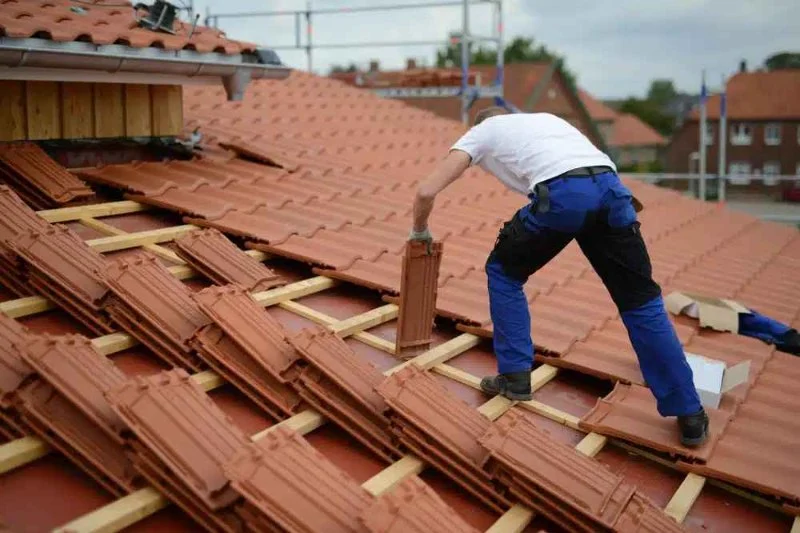
- 1. Why Timing Matters When Replacing Your Roof
- 2. Best Seasons for Roof Replacement
- 3. What to Consider When Planning Your Roof Replacement
- 4. Real-Life Stories: How Timing Affects Roof Replacement
- 5. How to Find a Trusted Roofer for Your Project
1. Why Timing Matters When Replacing Your Roof
When it comes to replacing your roof, timing is everything. Roof replacement is a significant investment, and the season in which you schedule the work can have a big impact on the overall cost, efficiency, and outcome of the project. In this guide, we’ll explore the factors that influence the best time of year for roof replacement and provide you with all the information you need to make an informed decision.

Reliable Restorations & Remodeling
4455 Lower Roswell Rd #680876, Marietta, GA 30068, USA
2. Best Seasons for Roof Replacement
Roof replacement can generally be done year-round, but certain seasons are more favorable than others. Here's a breakdown of each season and how it impacts roofing projects:
- Spring (March to May): Spring is a popular time for roof replacements. The weather is mild, not too hot or cold, and roofers can work efficiently. Spring also allows for inspections of winter damage, making it an ideal time to address any problems that may have developed over the colder months.
- Summer (June to August): Summer provides consistent warm weather, making it one of the most optimal seasons for roof replacement. However, it's important to note that roofing contractors may be in high demand, and scheduling could take longer. Additionally, the heat can affect certain roofing materials, so it’s crucial to work with an experienced contractor to ensure proper installation.
- Fall (September to November): Fall is considered by many to be the best season for roof replacement. The weather is cool, and it’s still warm enough to allow the roofing materials to adhere correctly. Moreover, roofers are often less busy during this time, which means they can devote more time and attention to your project. Fall roof replacements also help you prepare for the winter months.
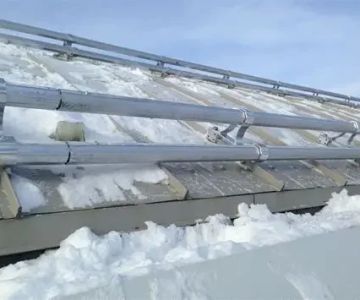
- Winter (December to February): Winter is the least ideal time for roof replacement due to colder temperatures, snow, and potential ice. However, in certain regions with milder winters, roof replacement can still be done, though it's more challenging. Winter projects may take longer due to delays from weather conditions and shorter daylight hours.
3. What to Consider When Planning Your Roof Replacement
Besides the season, several other factors should be taken into account when planning your roof replacement:
- Material Availability: The type of roofing material you choose can influence the timing of your project. Certain materials, like asphalt shingles, may be available year-round, while others, like slate or tile, may have more limited availability depending on the season.
- Contractor Availability: Roofing contractors often experience peak demand during the warmer months, especially in spring and summer. Be prepared for potential scheduling delays or higher rates during these times. Fall might offer more flexibility in terms of scheduling, and you could secure better pricing.
- Weather and Environmental Conditions: Local weather plays a significant role in your roof replacement project. Rain, snow, or extreme heat can delay the work or even damage the materials if installed in unfavorable conditions. Always check the long-term weather forecast before committing to a specific timeline.
4. Real-Life Stories: How Timing Affects Roof Replacement
Let’s take a look at a few real-life examples of how timing impacted roof replacement projects:
- Example 1: A homeowner in Florida decided to replace their roof during the summer months. The project was delayed multiple times due to sudden afternoon thunderstorms, and the shingles became exposed to prolonged humidity, causing them to warp. The homeowner wished they had planned the replacement in the more predictable fall months.
- Example 2: In Minnesota, a couple waited until late fall to replace their roof. The contractor was able to install the new roof before the snow set in, and they were able to take advantage of off-season pricing. However, they had to wait longer to get on the contractor's schedule due to the seasonal rush.
5. How to Find a Trusted Roofer for Your Project
Once you’ve decided the best time to replace your roof, the next step is to find a trusted contractor. Here’s how you can ensure you’re hiring a reliable professional:
- Check Reviews and Ratings: Always read customer reviews and check ratings on trusted platforms. Look for contractors with positive feedback and a proven track record of quality work.
- Get Multiple Quotes: Don’t settle for the first estimate you receive. Get quotes from at least three different contractors to compare pricing, services, and timelines.
- Verify Licensing and Insurance: Ensure that the contractor you hire is licensed and insured. This protects both you and the contractor in case of accidents or damage during the project.
At Total Roofing Hub, we offer a wide range of roofing services and materials, including expert advice to help you choose the best time and option for your roof replacement. Check out our website for more information and to connect with top-rated roofing professionals near you!
 Marc Joseph remodeling5.0 (1 reviews)
 PRS Roofing Inc5.0 (9 reviews)
 KAPS CONSTRUCTION4.0 (5 reviews)
 Marshall Exteriors, LLC4.0 (213 reviews)
 S.W.A.T. Roofing & Consulting4.0 (46 reviews)
 MATFI RENOVATIONS LLC5.0 (23 reviews)
 Siding Material Fire Ratings: What’s Required & What to Choose
 Roof Talk: Common Terminology Every Homeowner Should Know
 How Often Should You Replace Your Home's Siding? Expert Tips on Siding Longevity
 The Average Lifespan of Asphalt Shingle Roofs: How Long Do They Last?
 How to Choose a Reliable Roofing Contractor Near You | Top Tips and Questions
 Should I Repair or Replace My Roof? – Expert Guide for U.S. Homeowners