
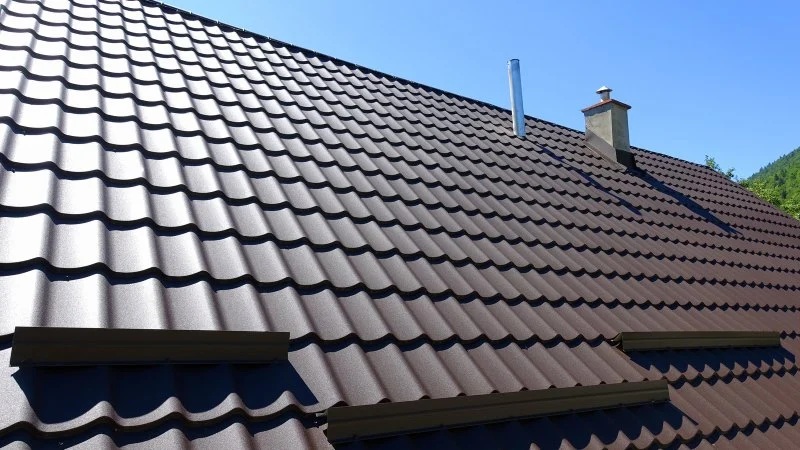
What’s the Best Time of Year to Replace Your Roof?
- 1- Why Timing Matters When Replacing Your Roof
- 2- The Best Seasons for Roof Replacement
- 3- Key Considerations Before Replacing Your Roof
- 4- How to Work with Roofing Professionals
1- Why Timing Matters When Replacing Your Roof
When it comes to roof replacement, timing plays a crucial role in ensuring the quality and longevity of your new roof. Replacing your roof at the right time can help avoid unnecessary delays, lower costs, and ensure that the roofing materials are properly installed. The weather, your location, and the type of roof you need all play important roles in determining the best time to replace your roof. In this guide, we will discuss why timing is important and the factors that can influence when to replace your roof.

Patriot Exteriors
North AndoverEssex CountyMassachusetts
1 Massachusetts Ave, North Andover, MA 01845, USA
2- The Best Seasons for Roof Replacement
There are generally two main seasons that are ideal for roof replacement: spring and fall. Here’s why:
- Spring: Spring is a great time to replace your roof due to the mild temperatures and low chances of snow or rain. The moderate weather conditions allow roofing professionals to work efficiently, without the extreme cold of winter or the heat of summer. This is the season when many homeowners opt to replace their roof, as it’s the start of the dry season in most regions.
- Fall: Like spring, fall offers mild weather, making it another optimal time for roof replacement. The temperatures are comfortable, and there is less chance of rain or high winds, which can disrupt the installation process. Fall also provides enough time to complete the job before the winter season sets in, preventing issues with snow or ice during installation.
Both spring and fall offer ideal conditions for roof replacement. However, depending on your location and the specific needs of your roof, one season may be better suited to your circumstances. It's important to consult with a professional roofing contractor to determine which time of year works best for your project.
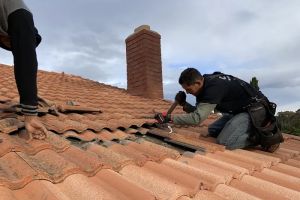
Golden State Roofers SUN VALLEY
Los AngelesLos Angeles CountyCalifornia
8452 Springford Dr, Sun Valley, CA 91352, USA
3- Key Considerations Before Replacing Your Roof
Before you schedule your roof replacement, consider these factors to ensure you get the best results:
- Roofing Materials: Some roofing materials, such as asphalt shingles, are more flexible and easier to install in moderate temperatures, making spring and fall the best seasons for these materials. Other materials, like slate or metal, can be installed year-round, but may require special preparation depending on the weather.
- Weather Forecast: While spring and fall are ideal, you should always check the weather forecast before scheduling the job. Unexpected rainstorms, high winds, or extreme heat can delay your project and potentially damage the new roof.
- Availability of Roofing Contractors: During the peak roofing seasons, contractors can become fully booked, especially during spring and fall. If you’re planning to replace your roof during these busy times, it’s important to book well in advance to avoid delays.
4- How to Work with Roofing Professionals
When replacing your roof, working with experienced professionals is key to ensuring a successful project. Here are some tips for working with roofing contractors:
- Get Multiple Estimates: Always get at least three estimates from different roofing contractors. This will give you a better understanding of pricing and the quality of service each contractor offers.
- Check for Licensing and Insurance: Ensure that the roofing contractor is licensed and insured to protect yourself in case of accidents or damage during the project.
- Ask About Their Experience: Be sure to ask contractors about their experience with the type of roof you need and any specific concerns you may have about your roof replacement.
- Discuss Timeline and Weather Conditions: Since weather conditions can affect the timing of the project, discuss this with your contractor and establish a clear timeline based on ideal weather conditions.
By carefully considering the best time of year to replace your roof and working with a trusted contractor, you can ensure a smooth and successful roof replacement project. For more information and expert advice on roof replacement, visit Total Roofing Hub, where you can find the best roofing materials, services, and products to fit your needs.
 Skyline Designs Roofing5.0 (99 reviews)
 Perfect Roofing Installations4.0 (60 reviews)
 Dog Tags Construction LLC4.0 (16 reviews)
 Gutter Shutter of Central Maryland5.0 (9 reviews)
 Sam Cline Handyman Services4.0 (37 reviews)
 Paramount Builders Inc.4.0 (302 reviews)
 Should I Repair or Replace My Roof?
 Top 10 Signs Your Roof Needs Immediate Repair Before It’s Too Late
 The Pros and Cons of Vinyl Siding: Is It the Right Choice for Your Home?
 How to Choose a Reliable Roofing Contractor Near You – Expert Tips
 Top 10 Signs Your Roof Needs Immediate Repair You Shouldn’t Ignore
 How to Spot Hail Damage on Your Roof | Quick Guide for Homeowners