
- 1 - Why Timing Matters in Roof Replacement
- 2 - The Impact of Seasonal Weather on Roofing
- 3 - Spring Roof Replacement: Pros and Cons
- 4 - Summer Roof Replacement: Pros and Cons
- 5 - Fall Roof Replacement: Pros and Cons
- 6 - Winter Roof Replacement: Pros and Cons
- 7 - How to Choose the Best Time for Your Roof
- 8 - Real-Life Roof Replacement Examples
1. Why Timing Matters in Roof Replacement
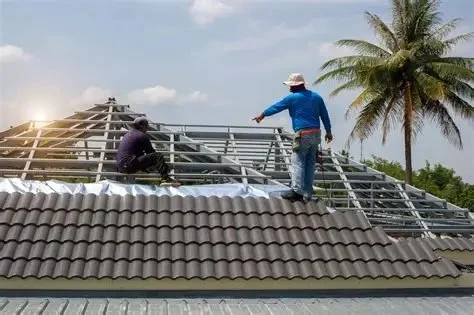
Choosing the right time to replace your roof is crucial for ensuring the success of the project. Weather plays a significant role in determining how efficiently and effectively a roof replacement can be done. Not only does the weather affect the installation process, but it can also impact the longevity of your roof.
When you plan your roof replacement around the right season, you are more likely to experience fewer delays and better results. This article provides expert advice on the best times of year to replace your roof and the factors that should influence your decision.

2. The Impact of Seasonal Weather on Roofing
The weather can have a considerable impact on roofing projects, especially when it comes to the materials used and the work environment. Extreme temperatures, high humidity, and unpredictable weather patterns can make roofing projects more difficult and may affect the quality of your roof replacement.
For example, roofing materials like shingles may become too soft or brittle during extremely hot or cold weather, making them harder to handle and install. It is important to consider these factors when scheduling your roof replacement.

Freitas Brother's Paint & Carpentry
BelmontMiddlesex CountyMassachusetts
178 Trapelo Rd, Belmont, MA 02478, USA
3. Spring Roof Replacement: Pros and Cons
Spring is one of the best times of year to replace your roof, as the temperatures are moderate, and the weather is relatively predictable. However, there are both benefits and challenges to consider during this season.
Pros
- The weather is mild, making it easier for contractors to work.
- Roofing materials perform optimally in spring temperatures, reducing the risk of warping or damage.
- Spring generally has fewer rainy days compared to other seasons, which means fewer delays.
Cons
- Spring rains can sometimes delay projects, especially in regions with frequent showers.
- Contractors may be booked up with projects that have been delayed from the winter months.
4. Summer Roof Replacement: Pros and Cons
Summer is another popular time for roof replacement. The long days and dry weather are ideal for completing roofing projects quickly. However, the heat can present some challenges.
Pros
- Longer days provide more time to complete the roofing project.
- The dry weather reduces the chance of weather-related delays, allowing for smooth work progress.
- Roofing materials cure and adhere well during warm temperatures.
Cons
- Extreme heat can make working conditions difficult for roofing crews, especially in southern regions.
- Higher demand for roofing services can lead to longer wait times for contractors and higher costs.
5. Fall Roof Replacement: Pros and Cons
Fall is widely considered one of the best times to replace your roof. With cooler weather and fewer chances of extreme weather events, fall provides an ideal environment for roofing work.
Pros
- The moderate temperatures make it comfortable for contractors to work, reducing fatigue.
- The cooler weather helps roofing materials set and cure properly.
- Fall provides a buffer before winter, ensuring your roof is ready to withstand the colder months.
Cons
- Late fall weather can be unpredictable, with the possibility of early snow or rain.
- Contractors may become busier as they rush to complete projects before the winter season sets in.
6. Winter Roof Replacement: Pros and Cons
Winter is often seen as the least desirable time for roof replacement, but it can still be a viable option, particularly if your roof has urgent damage that needs immediate attention.
Pros
- Roofing contractors may offer lower prices during the off-season, as there is less demand for services.
- In certain regions, the dry winter air can be ideal for roofing projects, particularly for materials that need to adhere well.
Cons
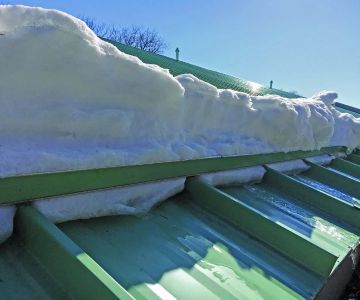
- Cold temperatures and snow can complicate the roofing process, making it harder to install certain materials.
- Roofing projects may take longer due to shorter daylight hours and potentially hazardous working conditions.
7. How to Choose the Best Time for Your Roof
Choosing the best time for your roof replacement depends on several factors, including your location, the severity of your roof’s condition, and your personal schedule. While spring and fall are typically the best seasons, summer and winter can also be good options depending on your needs.
Consulting with a professional roofing contractor can help you make the best decision. They can assess the condition of your roof, the climate in your area, and other variables to recommend the optimal timing for your project.
8. Real-Life Roof Replacement Examples
Many homeowners have successfully replaced their roofs during various seasons. For example, a homeowner in the Midwest replaced their roof in late fall to prepare for the harsh winter, while a Florida homeowner chose to replace their roof in the summer to take advantage of the dry weather. These real-life examples show that, with careful planning, roof replacement can be successfully completed in any season.
If you’re considering roof replacement, visit Total Roofing Hub for the best roofing products, services, and expert advice to help you with your project.

 Skyline Designs Roofing5.0 (99 reviews)
 Perfect Roofing Installations4.0 (60 reviews)
 Dog Tags Construction LLC4.0 (16 reviews)
 Gutter Shutter of Central Maryland5.0 (9 reviews)
 Sam Cline Handyman Services4.0 (37 reviews)
 Paramount Builders Inc.4.0 (302 reviews)
 Should I Repair or Replace My Roof?
 Top 10 Signs Your Roof Needs Immediate Repair Before It’s Too Late
 The Pros and Cons of Vinyl Siding: Is It the Right Choice for Your Home?
 How to Choose a Reliable Roofing Contractor Near You – Expert Tips
 Top 10 Signs Your Roof Needs Immediate Repair You Shouldn’t Ignore
 How to Spot Hail Damage on Your Roof | Quick Guide for Homeowners