How to Repair Roof Eaves & Overhang Damage
- 1. Understanding Eaves and Overhangs
- 2. Common Causes of Eaves and Overhang Damage
- 3. Steps to Repair Eaves and Overhangs
- 4. When to Hire a Professional for Eaves and Overhang Repair
- 5. Preventing Damage to Eaves and Overhangs
1. Understanding Eaves and Overhangs
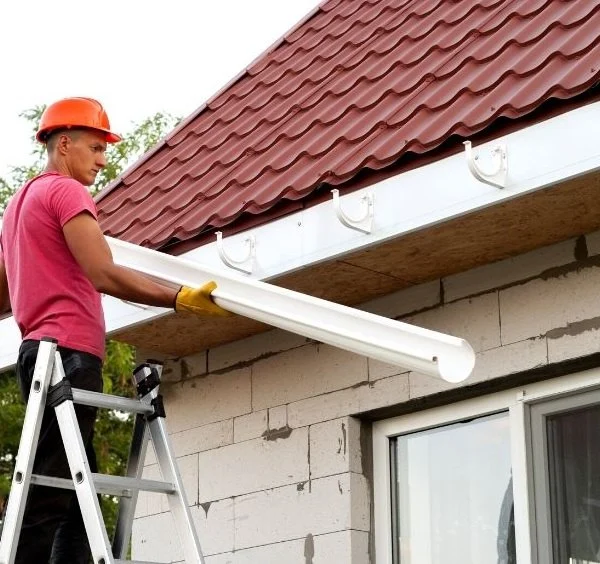
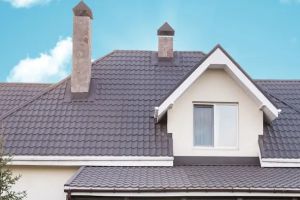
Eaves and overhangs are essential structural elements of your roof. They extend beyond the walls of your home, serving both functional and aesthetic purposes. The eaves help protect the exterior of the house from rainwater, while the overhang provides shade to your windows, preventing heat from entering in the summer months.
Both eaves and overhangs are typically made from wood, vinyl, or metal, and are designed to withstand various weather conditions. However, like any other part of your home, they are susceptible to damage over time. Proper maintenance is crucial to ensuring they continue to function effectively.
2. Common Causes of Eaves and Overhang Damage
Damage to eaves and overhangs can occur due to various factors. Understanding these causes will help you prevent damage and recognize the signs early enough to take action.

Water Damage
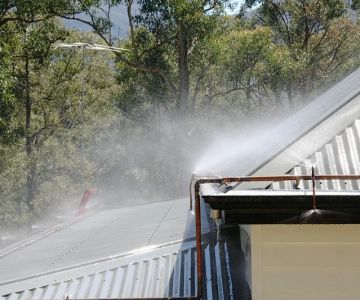
One of the most common causes of damage to eaves is water. Poor drainage, clogged gutters, or leaks in the roofing material can result in water pooling around the eaves and overhangs. Over time, this moisture can weaken the structure, leading to rotting wood, mold, and mildew growth.
Storm and Wind Damage
High winds from storms can lift shingles and siding, exposing the eaves and overhangs to further damage. Additionally, falling branches, debris, or hail can cause immediate harm to these areas. After a severe storm, it’s essential to inspect your eaves for any visible signs of damage.
Pest Infestation
Insects and rodents can also contribute to eaves and overhang damage. For example, termites can chew through wood, while squirrels may nest in or under overhangs. If left unchecked, these pests can weaken the integrity of the eaves.
3. Steps to Repair Eaves and Overhangs
Repairing eaves and overhangs involves several steps, depending on the severity of the damage. Here’s how you can tackle minor to moderate repairs:
Step 1: Inspect the Damage
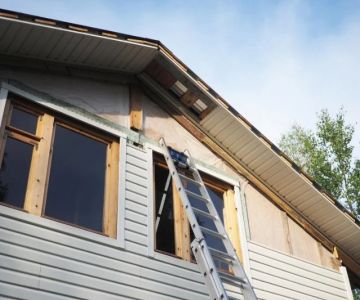
Begin by carefully inspecting the eaves and overhangs. Look for signs of water damage, cracks, holes, or loose materials. If you notice any rot or mold, it's important to address the underlying moisture issue before repairing the area.
Step 2: Remove Damaged Material
Once you've identified the damaged area, remove any deteriorated materials. For wooden eaves, this may involve cutting out sections of rotting wood. If there’s mold, make sure to wear protective gear while cleaning the area.
Step 3: Replace or Repair the Structure
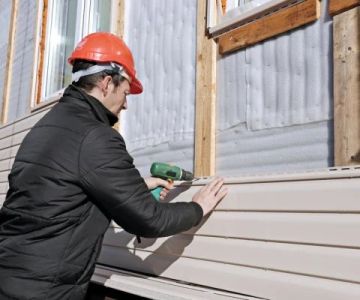
After removing the damaged material, replace it with new, durable materials. For wooden eaves, cut a new piece of wood to fit and secure it in place. If you’re dealing with vinyl or metal, ensure the new material matches the existing structure and is properly fastened to prevent future damage.
Step 4: Reapply Protective Coatings
To ensure long-lasting repairs, consider applying a protective coating or sealant to the eaves and overhangs. This will help safeguard against water damage, pests, and other elements that could cause further wear and tear.
4. When to Hire a Professional for Eaves and Overhang Repair
While minor repairs can often be completed as DIY projects, certain situations may require the expertise of a professional roofer or contractor. Here are some instances where it’s best to call in a pro:
Structural Damage
If the damage to your eaves and overhangs is extensive or involves structural elements of your home, it's best to hire a professional. Structural repairs require specialized knowledge and tools, and an expert can ensure the repairs are done correctly and safely.
Complicated Roof Work
If the damage extends to your roofline or requires working at height, it's recommended to hire a professional. Roof work can be dangerous, and a trained contractor will have the proper equipment and experience to do the job safely.
Insurance Claims
If the damage was caused by a storm or other covered event, you may need a professional to help with insurance claims. Many insurers require licensed contractors to assess the damage and provide estimates for repairs.
5. Preventing Damage to Eaves and Overhangs
Preventing damage is always better than repairing it. Here are some tips to keep your eaves and overhangs in top condition:
Regularly Clean Gutters
Ensure that your gutters are cleaned regularly to prevent water buildup. Clogged gutters can lead to water overflow, which can damage your eaves and cause leaks. Cleaning your gutters at least twice a year is recommended.
Inspect for Pests
Periodically check for signs of pests, such as holes in the wood or droppings. If you spot any signs of infestation, take action immediately to prevent further damage.
Use Proper Insulation
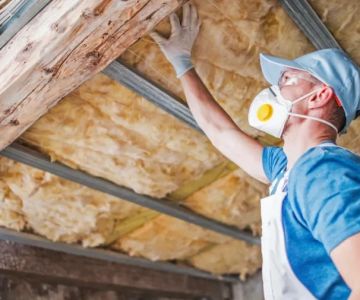
Proper insulation and ventilation in your attic can help prevent moisture buildup, which is a common cause of eaves and overhang damage. Ensure your attic is well-ventilated and your insulation is in good condition.
By taking these proactive measures and addressing minor issues early on, you can significantly extend the life of your eaves and overhangs and avoid costly repairs down the road.
 Marc Joseph remodeling5.0 (1 reviews)
 PRS Roofing Inc5.0 (9 reviews)
 KAPS CONSTRUCTION4.0 (5 reviews)
 Marshall Exteriors, LLC4.0 (213 reviews)
 S.W.A.T. Roofing & Consulting4.0 (46 reviews)
 MATFI RENOVATIONS LLC5.0 (23 reviews)
 Siding Material Fire Ratings: What’s Required & What to Choose
 Roof Talk: Common Terminology Every Homeowner Should Know
 How Often Should You Replace Your Home's Siding? Expert Tips on Siding Longevity
 The Average Lifespan of Asphalt Shingle Roofs: How Long Do They Last?
 How to Choose a Reliable Roofing Contractor Near You | Top Tips and Questions
 Should I Repair or Replace My Roof? – Expert Guide for U.S. Homeowners