Total Roofing Hub
Total Roofing HubRoofing And Siding BlogsRoofing Near MeSiding Repair Near Me
AlabamaArizonaCaliforniaColoradoConnecticutDelawareDistrict of ColumbiaFloridaGeorgiaLouisianaMaineMarylandMassachusettsNew HampshireNew JerseyNew YorkNorth CarolinaOhioPennsylvaniaRhode IslandSouth CarolinaTennesseeTexasVermontVirginiaWest Virginia

Total Roofing HubRoofing And Siding Blogs

Siding Repair After Fire or Smoke Damage: A Complete Guide

Siding Repair After Fire or Smoke Damage: A Complete Guide

1-Introduction

Siding damage caused by fire or smoke is a serious issue that needs prompt attention. Whether you’re dealing with minor discoloration or extensive structural damage, knowing how to handle the repair process can save you time, money, and stress. In this guide, we’ll explore the essential steps for repairing siding after fire or smoke damage, helping you restore your home’s appearance and functionality.

2-Understanding Fire and Smoke Damage

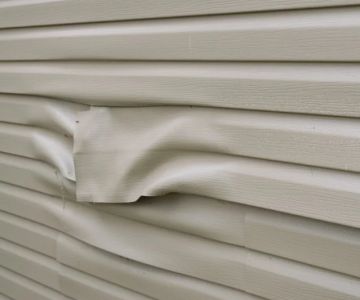
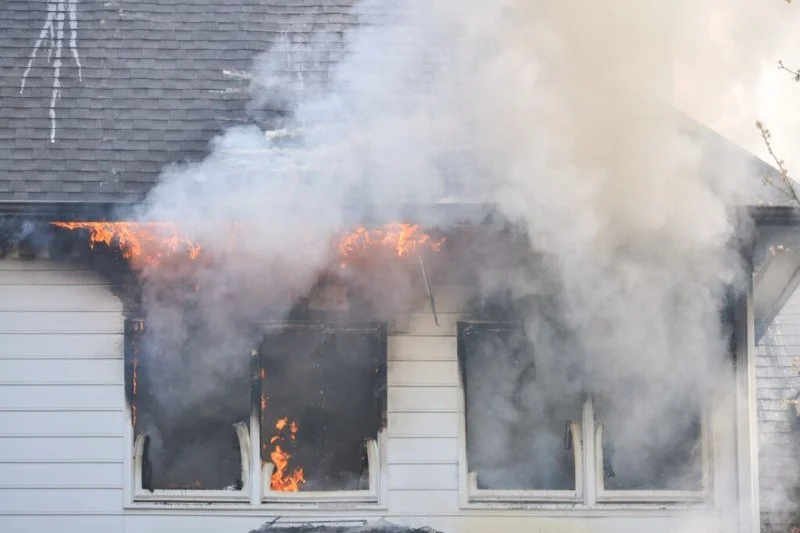
Before diving into the repair process, it’s essential to understand how fire and smoke can damage your siding. Fire damage is often visible, but smoke damage can be more insidious, as it affects both the surface and underlying layers of your siding.1. Fire DamageWhen a fire directly impacts the exterior of your home, it can cause severe structural damage to the siding, especially if the flames reach or burn through it. Materials like wood, vinyl, and aluminum siding can suffer from warping, charring, or even complete destruction depending on the intensity of the fire.2. Smoke DamageEven if the fire did not directly touch your siding, smoke can still cause significant damage. The chemicals and soot released during a fire can seep into the siding, leaving stains, discoloration, and an unpleasant odor. Over time, this can weaken the siding and lead to long-term damage.3. Water DamageIt’s also common for water from firefighting efforts to contribute to the damage. If not addressed quickly, the water can cause mold growth and rot, especially in wood siding.

3-Steps for Repairing Siding After Fire Damage

The process of repairing siding after a fire or smoke damage involves several crucial steps. Here’s a general overview:1. Assess the DamageThe first step is to inspect the affected area. Determine whether the damage is limited to just the surface or if it has affected the structural integrity of the siding. In some cases, the siding may need to be completely replaced, especially if the damage is extensive.2. Clean and Remove Smoke ResidueFor smoke damage, cleaning is essential before you can proceed with repairs. Use a mild detergent and a soft cloth to wipe down the surfaces and remove soot and smoke stains. If the stains persist, consider using a stronger cleaner designed for smoke damage. You may also need to use specialized equipment, like an ozone generator, to eliminate lingering odors.3. Repair or Replace Damaged SectionsFor wood siding, check for signs of charring or burning. If only a small section is damaged, you may be able to cut out the affected part and replace it with a new piece. For vinyl and aluminum siding, look for warping or cracks. These may require replacement of individual panels.4. Treat Water DamageIf water from firefighting efforts has caused water damage to the siding, treat the area with mold-resistant products to prevent mold and mildew growth. For wood siding, you may need to replace sections that have become rotted or warped due to prolonged exposure to moisture.

4-Choosing the Right Materials for Repair

When repairing your siding after fire or smoke damage, it’s important to choose the right materials to match the existing siding. Here are some things to consider:1. Wood SidingWood siding can be easily repaired and replaced, but it may be more susceptible to fire and water damage compared to other materials. Choose fire-resistant wood or install protective coatings for added durability.2. Vinyl SidingVinyl siding is resistant to many types of damage, but it can melt or warp under extreme heat. Replacing the affected panels is usually the best option. Ensure the replacement material matches the existing siding for a seamless look.3. Fiber Cement and Metal SidingFiber cement and metal siding tend to be more durable and fire-resistant than wood or vinyl. If your home is damaged by fire or smoke, these materials may be a better choice for future installations, as they are less likely to be compromised.4. Insulation and UnderlaymentIf the siding is removed for repair or replacement, it’s a good idea to inspect the insulation and underlayment for damage as well. Fire can cause damage to the insulation, and smoke can penetrate these materials, leading to lingering odors and possible health risks.

5-When to Hire a Professional for Siding Repair

While many homeowners can handle minor siding repairs after fire or smoke damage, there are certain situations where hiring a professional is the best option.1. Extensive DamageIf the damage is extensive, it’s recommended to hire a professional contractor. They have the skills and experience to assess the damage, replace the siding, and ensure everything is properly sealed and insulated.2. Safety ConcernsIf there are concerns about the structural integrity of your home, or if there’s a risk of further damage during repairs, it’s important to call in a professional. They can safely remove damaged materials and replace them with minimal risk.3. Insurance ClaimsFor larger-scale repairs, particularly if the damage is covered by insurance, professionals can assist with the claims process. They’ll provide detailed assessments, repair estimates, and ensure the work is done to the insurance company’s standards.

Conclusion

Repairing siding after fire or smoke damage is no small task, but with the right approach and materials, you can restore the integrity and appearance of your home. Whether you tackle the repairs yourself or hire a professional, acting quickly and choosing the right materials will help prevent further damage and reduce long-term costs.For more information on siding restoration and repair services, visit Total Roofing Hub for expert advice and product recommendations.

Popular Blog Posts

Categories

Top Visited Sites

Trending Roofing And Siding Blogs Posts