- 1. What is Metal Roofing?
- 2. Types of Metal Roofing
- 3. Benefits of Metal Roofing
- 4. How to Install Metal Roofing
- 5. Real-Life Case Study: The Power of Metal Roofing
- 6. How Total Roofing Hub Can Help
1. What is Metal Roofing?
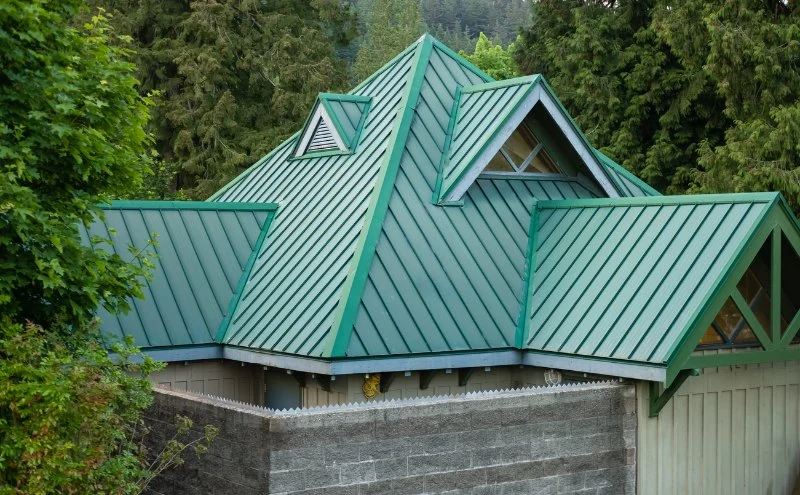
Metal roofing refers to roofing systems made from metal materials such as steel, aluminum, copper, or zinc. These roofs are known for their durability, longevity, and efficiency in protecting buildings from the elements. Metal roofing systems have been around for centuries, but in recent years, their popularity has surged due to advancements in technology and the growing demand for eco-friendly and energy-efficient solutions.
Modern metal roofs come in various designs and finishes, offering both functionality and aesthetic appeal. They can mimic traditional roofing styles like shingles or tiles, or they can have a sleek, modern look. Regardless of the style, metal roofing provides an excellent choice for homeowners and businesses alike.
Clear View Roofing & Construction
BurbankLos Angeles CountyCalifornia
1003 Chestnut St, Burbank, CA 91506, USA
2. Types of Metal Roofing
There are several types of metal roofing systems, each with its unique advantages. Understanding these options can help you make an informed decision about which type of metal roof is best suited for your needs.
2.1 Standing Seam Metal Roofing
Standing seam metal roofing is one of the most popular choices for residential and commercial buildings. It features long vertical panels that are connected at the seams, which are raised above the surface. This design minimizes the risk of leaks and allows for expansion and contraction of the metal without compromising the roof's integrity.
2.2 Metal Shingles
Metal shingles are designed to resemble traditional roofing materials like asphalt or wood shingles but are made from metal. This type of roofing provides the look of classic shingles while offering the benefits of metal, such as durability and energy efficiency. Metal shingles are often chosen for their aesthetic appeal, making them ideal for homeowners who want the benefits of metal roofing without sacrificing traditional looks.
2.3 Metal Tiles
Metal tiles are similar to metal shingles but are designed to mimic the look of clay or concrete tiles. They are available in a variety of colors and styles, providing a classic appearance with the strength and longevity of metal. Metal tiles are a great choice for homes in areas that experience extreme weather, as they can withstand heavy winds, rain, and even hail.
2.4 Corrugated Metal Roofing
Corrugated metal roofing is often used for industrial or agricultural buildings, although it can also be applied to residential structures. This style of roofing features repeating waves, providing a rugged appearance. Corrugated metal is highly durable, affordable, and easy to install, making it an excellent option for many different types of buildings.
3. Benefits of Metal Roofing
There are many reasons why homeowners and businesses choose metal roofing systems. Here are some of the most significant benefits:
3.1 Durability and Longevity
Metal roofs are incredibly durable, often lasting 40 to 70 years, depending on the material. They are highly resistant to extreme weather conditions, such as heavy winds, hail, and snow. Unlike traditional asphalt shingles, metal roofing does not crack or warp over time, making it an excellent long-term investment for your property.
3.2 Energy Efficiency
Metal roofing systems are known for their energy efficiency. They reflect solar heat, helping to keep your home cooler in the summer months. This can significantly reduce your energy bills, especially in hot climates. Some metal roofs are coated with reflective pigments that enhance their ability to reflect heat and reduce cooling costs.
3.3 Low Maintenance
One of the biggest advantages of metal roofs is their low maintenance requirements. Metal roofs are less prone to moss, algae, or mold growth, and they do not require regular cleaning or repairs. Unlike traditional roofs that may need re-roofing every 20 years, metal roofs can last for decades without needing much attention.
3.4 Eco-Friendly
Metal roofing is a highly sustainable option, as it is made from recyclable materials, and it can be recycled at the end of its lifespan. Additionally, the energy efficiency of metal roofing reduces your home's carbon footprint by minimizing the need for air conditioning and heating.
3.5 Aesthetic Appeal
Metal roofs come in a wide range of colors and styles, allowing you to choose a look that complements your home or business. Whether you prefer a sleek, modern design or a traditional appearance, metal roofing can provide the perfect aesthetic while maintaining the functional benefits of metal.
4. How to Install Metal Roofing
Installing a metal roof requires professional expertise to ensure the job is done correctly. While some homeowners may attempt to install metal roofing themselves, it is generally recommended to hire a licensed roofing contractor for the job. Here's an overview of the installation process:
4.1 Preparation
Before installation, the old roof (if applicable) needs to be removed, and the underlying decking should be inspected. Any damaged areas should be repaired before proceeding with the installation of the metal roof. A solid, smooth decking is essential for proper installation.
4.2 Installation of Underlayment
Once the decking is prepared, an underlayment (such as felt or synthetic material) is installed to provide an extra layer of protection. The underlayment helps prevent water from seeping beneath the metal panels and causing damage to the underlying structure.
4.3 Installing Metal Panels
The metal panels are then installed, either by fastening them directly to the roof deck or through a hidden fastener system. The panels are secured, and seams are sealed to ensure that water cannot penetrate the roof. Depending on the type of metal roofing, the panels are either interlocked or nailed into place.
4.4 Final Touches
Finally, the roof's ridge cap and flashing are installed to protect the edges and seams from wind and water damage. The installation process is complete when the roof is thoroughly inspected for any gaps or potential issues.
5. Real-Life Case Study: The Power of Metal Roofing
Let's consider a case where metal roofing helped a homeowner save money and increase property value. John, a homeowner in Arizona, was looking for a roofing system that would reduce his energy bills and withstand the extreme heat. After researching various options, he decided to install a standing seam metal roof. The result? John's cooling costs dropped by 25% in the first year, and the roof’s longevity ensured he wouldn’t have to worry about repairs or replacement for many decades. Furthermore, the metal roof added significant value to his home, which was appealing when it came time to sell.
6. How Total Roofing Hub Can Help
At Total Roofing Hub, we provide expert advice and high-quality roofing products to help you make the best choice for your home or business. Whether you're considering metal roofing for its durability, energy efficiency, or aesthetic appeal, we can connect you with trusted professionals who specialize in installation and maintenance.
Visit our website today to explore our wide range of metal roofing materials, get advice from experts, and find the best deals on roofing systems for your property.
 Skyline Designs Roofing5.0 (99 reviews)
 Perfect Roofing Installations4.0 (60 reviews)
 Dog Tags Construction LLC4.0 (16 reviews)
 Gutter Shutter of Central Maryland5.0 (9 reviews)
 Sam Cline Handyman Services4.0 (37 reviews)
 Paramount Builders Inc.4.0 (302 reviews)
 Should I Repair or Replace My Roof?
 Top 10 Signs Your Roof Needs Immediate Repair Before It’s Too Late
 The Pros and Cons of Vinyl Siding: Is It the Right Choice for Your Home?
 How to Choose a Reliable Roofing Contractor Near You – Expert Tips
 Top 10 Signs Your Roof Needs Immediate Repair You Shouldn’t Ignore
 How to Spot Hail Damage on Your Roof | Quick Guide for Homeowners