- Understanding Vinyl Siding and Board and Batten – What Sets Them Apart
- Vinyl Siding – Pros and Cons
- Board and Batten – Pros and Cons
- Cost Comparison and Longevity – Which Offers Better Value?
- Aesthetic Appeal and Home Style Considerations
- Real Homeowner Experiences – Lessons from the Field
- Choosing the Right Siding with Total Roofing Hub
1. Understanding Vinyl Siding and Board and Batten – What Sets Them Apart
When it comes to exterior home design, siding plays a critical role not only in aesthetics but also in protection and value. Two of the most popular choices for American homeowners today are vinyl siding and board and batten. Each style offers unique advantages, from durability and cost-efficiency to distinct visual appeal. Understanding how these siding options differ can help homeowners make more informed renovation decisions.
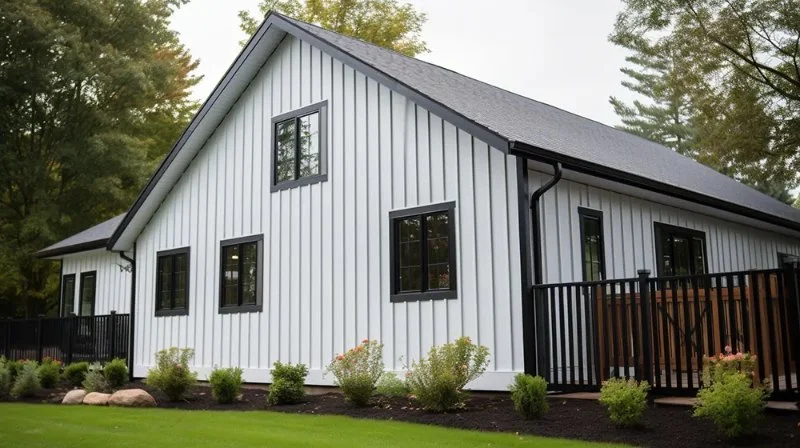
Vinyl siding has long been favored for its low maintenance and affordability. It’s made from PVC (polyvinyl chloride), making it resistant to rot, insects, and moisture. On the other hand, board and batten — traditionally made from wood — provides a classic farmhouse look that has regained popularity through modern design trends. According to industry experts at Total Roofing Hub, more homeowners are blending both styles, using vinyl material in board-and-batten form to achieve a timeless look without the upkeep of wood.
Apex Roofing Systems
GreenvilleGreenville CountySouth Carolina
1211 Laurens Rd Suite B Suite C, Greenville, SC 29607, USA
2. Vinyl Siding – Pros and Cons
Vinyl siding remains a top choice for cost-conscious homeowners who want a balance of durability and curb appeal. Its greatest advantage lies in its practicality. Vinyl requires little maintenance, needing only occasional cleaning with mild soap and water. It’s also fade-resistant and comes in various textures and colors, including wood-like finishes that mimic cedar planks or shiplap.
However, vinyl siding does have its downsides. Extreme temperature fluctuations can cause warping or cracking, particularly in older installations. Additionally, while it resists moisture, it doesn’t completely prevent water infiltration if improperly installed. This can lead to mold or insulation damage behind the panels. Homeowners in colder regions should also note that vinyl becomes brittle in freezing conditions, increasing the risk of cracking during impact.
Still, when installed by experienced professionals like those recommended by Total Roofing Hub, vinyl siding can last 25–40 years, making it a smart investment for long-term protection and visual appeal.
East Coast Roofing and Siding LLC
StamfordWestern Connecticut Planning RegionConnecticut
Stamford, CT 06903, USA
3. Board and Batten – Pros and Cons
Board and batten siding has roots in early American architecture, offering a rustic yet elegant design that works beautifully on both modern and traditional homes. This siding style features alternating wide boards and narrow battens (strips) that cover the seams, creating depth and visual interest. It’s a design often associated with farmhouses, cabins, and coastal homes, but modern versions use fiber cement, vinyl, or engineered wood for better performance.
Advantages: Board and batten adds a handcrafted, architectural charm that instantly enhances a home’s character. It’s versatile — suitable for full-house installations or accent walls. When made from fiber cement or vinyl, it becomes resistant to rot, insects, and moisture while maintaining its timeless appearance.
Disadvantages: Traditional wood board and batten requires regular maintenance, including sealing, painting, or staining every few years. Installation costs can also be higher due to labor-intensive design and custom cutting. Furthermore, if wood isn’t treated properly, it may warp, swell, or attract termites over time.
As Total Roofing Hub experts suggest, combining modern materials with classic design — such as vinyl board and batten — can give homeowners the best of both worlds: minimal maintenance with maximum aesthetic impact.
4. Cost Comparison and Longevity – Which Offers Better Value?
One of the most common questions homeowners ask when comparing vinyl siding and board and batten is about cost. On average, vinyl siding ranges from $4 to $8 per square foot installed, depending on quality and brand. In contrast, board and batten costs vary widely — from $7 to $12 per square foot for vinyl or fiber cement, and up to $15 for traditional wood.
While board and batten may have a higher upfront cost, its visual appeal can increase property value and curb appeal, particularly for homeowners considering resale. Vinyl siding, meanwhile, offers excellent value for money and minimal upkeep. Both can last decades when installed correctly — 30 to 40 years for vinyl, and potentially 50+ years for fiber cement board and batten.
Ultimately, the “better” option depends on your priorities: if you want affordability and efficiency, go vinyl; if design and timeless character matter most, board and batten could be worth the investment. For an accurate cost breakdown, Total Roofing Hub provides detailed estimates tailored to your home’s needs and materials.
5. Aesthetic Appeal and Home Style Considerations
Design-wise, the choice between vinyl siding and board and batten often comes down to the overall look you want for your home. Vinyl siding tends to suit suburban and contemporary-style houses with smooth, uniform exteriors. Board and batten, by contrast, adds texture and vertical lines that give homes a distinctive, bold profile — a popular feature in farmhouse, craftsman, and cottage-style designs.
Some homeowners combine both materials: vinyl siding on the lower portion of the house for protection and board and batten on upper gables or accent areas for visual contrast. This mixed approach delivers a balanced blend of practicality and charm. According to design specialists at Total Roofing Hub, such combinations not only enhance curb appeal but also help homes stand out in competitive real estate markets.
6. Real Homeowner Experiences – Lessons from the Field
Across the U.S., homeowners have shared diverse experiences with both siding types. For instance, a couple in Ohio replaced their 1980s aluminum siding with modern vinyl panels — their total installation cost was 40% less than fiber cement, and they’ve enjoyed lower maintenance ever since. Meanwhile, a family in North Carolina opted for white vinyl board and batten to achieve the farmhouse aesthetic trending on design shows. Their only regret? Not upgrading sooner, as the new siding added both charm and insulation efficiency.
Contractors working with Total Roofing Hub often report that clients who choose board and batten do so for its visual appeal, while vinyl customers prioritize budget and ease. Both groups, however, agree on one thing: professional installation makes all the difference in ensuring long-term satisfaction and preventing costly repairs later.
7. Choosing the Right Siding with Total Roofing Hub
Choosing between vinyl siding and board and batten is about finding the right balance between beauty, durability, and cost. Both styles offer unique strengths and can dramatically transform a home’s exterior when installed properly. Understanding your home’s architectural style, local climate, and budget will help you make the right decision.
Total Roofing Hub connects homeowners with trusted professionals who specialize in both vinyl and board-and-batten installations. Whether you’re upgrading your home for energy efficiency, curb appeal, or resale value, their experts can guide you through design options, material choices, and maintenance plans — ensuring your investment lasts for years to come.


 Marc Joseph remodeling5.0 (1 reviews)
 PRS Roofing Inc5.0 (9 reviews)
 KAPS CONSTRUCTION4.0 (5 reviews)
 Marshall Exteriors, LLC4.0 (213 reviews)
 S.W.A.T. Roofing & Consulting4.0 (46 reviews)
 MATFI RENOVATIONS LLC5.0 (23 reviews)
 Siding Material Fire Ratings: What’s Required & What to Choose
 Roof Talk: Common Terminology Every Homeowner Should Know
 How Often Should You Replace Your Home's Siding? Expert Tips on Siding Longevity
 The Average Lifespan of Asphalt Shingle Roofs: How Long Do They Last?
 How to Choose a Reliable Roofing Contractor Near You | Top Tips and Questions
 Should I Repair or Replace My Roof? – Expert Guide for U.S. Homeowners