- 1- What Is a Roof Sheathing Moisture Barrier?
- 2- Importance of Moisture Barriers in Roof Sheathing
- 3- Types of Moisture Barriers for Roof Sheathing
- 4- How Does a Roof Sheathing Moisture Barrier Work?
- 5- Benefits of Using Roof Sheathing Moisture Barriers
- 6- How to Choose the Right Moisture Barrier for Your Roof
1. What Is a Roof Sheathing Moisture Barrier?
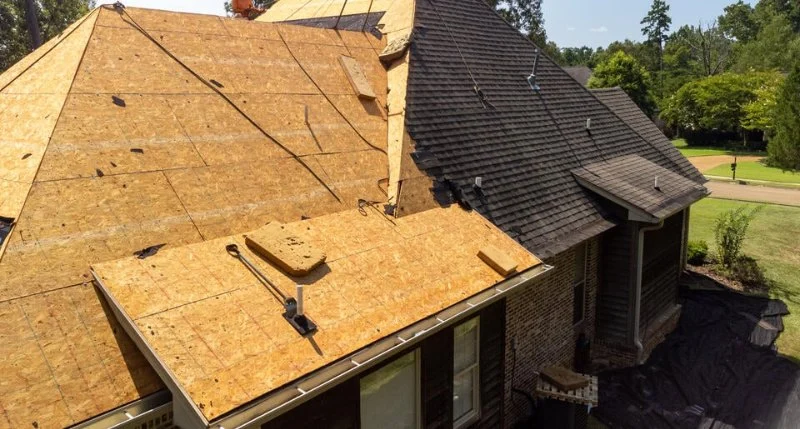
A roof sheathing moisture barrier is a layer of material installed between the roof sheathing (the boards or panels that form the roof's base) and the roof covering (such as shingles or metal roofing). Its main purpose is to prevent moisture from entering the roof structure and causing damage, such as wood rot, mold growth, and insulation deterioration. This moisture barrier serves as an essential protective layer, ensuring the longevity and durability of the roof.
Without a proper moisture barrier, the roof sheathing can absorb water, which leads to a weakened structure and potential costly repairs down the road. Therefore, incorporating a moisture barrier during roof installation or replacement is a vital step in protecting your home from water damage.

Cadence Construction, LLC
FlagstaffCoconino CountyArizona
3830 E Huntington Dr #6, Flagstaff, AZ 86004, USA
2. Importance of Moisture Barriers in Roof Sheathing
Roof sheathing moisture barriers are crucial for several reasons, especially in areas with high humidity, rain, or snow. Here’s why they’re so important:
- Prevents Water Damage: Moisture barriers act as a shield, preventing water from reaching the roof sheathing. This helps avoid the formation of mold, mildew, and wood rot, which can compromise the integrity of your roof.
- Enhances Energy Efficiency: Moisture barriers can also contribute to energy efficiency by preventing water vapor from penetrating your attic. This helps maintain the insulation’s effectiveness, which in turn reduces energy costs.
- Improves Roof Longevity: By preventing moisture damage, the moisture barrier extends the life of your roof. It ensures that the roof sheathing remains strong and undamaged, reducing the need for costly repairs or premature roof replacement.
3. Types of Moisture Barriers for Roof Sheathing
There are different types of moisture barriers used in roof sheathing, each offering specific advantages depending on the climate and roofing needs:
- Tar Paper (Felt Paper): This is one of the most common and affordable moisture barriers. It is typically made from fiberglass or organic materials, coated with bitumen for waterproofing. It is a proven option but may require additional layers for better durability.
- Rubberized Asphalt Membranes: Known for their excellent water resistance, these barriers provide superior protection against moisture and are particularly useful in areas with heavy rain or snow. They are thicker and more durable than tar paper, making them ideal for areas with extreme weather conditions.
- Polyethylene or Polypropylene Membranes: These synthetic materials are lightweight, easy to install, and provide excellent moisture resistance. They are commonly used in modern roofing systems and are popular due to their durability and cost-effectiveness.
- Foil-Based Barriers: Foil moisture barriers have reflective properties that not only prevent moisture from entering the roof structure but also help with insulation. They are particularly effective in hot climates where reducing heat transfer is essential.
4. How Does a Roof Sheathing Moisture Barrier Work?
Roof sheathing moisture barriers work by creating a physical barrier between the roof covering and the sheathing. They prevent water vapor from entering the sheathing and insulation, which can lead to serious issues such as:
- Condensation: In cold climates, condensation can form on the underside of the roof sheathing if moisture seeps through. The moisture barrier prevents this by ensuring that water vapor doesn’t reach the surface.
- Mold and Mildew: By stopping moisture infiltration, the barrier helps reduce the growth of mold and mildew, which can cause health problems and damage to the roof structure.
- Wood Rot: Constant exposure to moisture causes wood to rot. A moisture barrier ensures that the wood remains dry, which helps maintain the strength of the roof.
5. Benefits of Using Roof Sheathing Moisture Barriers
Incorporating a moisture barrier into your roof sheathing provides numerous benefits, making it an essential component in roof construction or replacement:
- Prevents Long-Term Damage: By protecting your roof from moisture, you avoid long-term issues like rotting, mold, and structural weakening, which could lead to costly repairs.
- Reduces Energy Costs: As mentioned earlier, moisture barriers help improve the effectiveness of your insulation, which reduces the amount of heating or cooling required, thus lowering your energy bills.
- Improves Roof Durability: The added protection from moisture extends the lifespan of your roof, helping to prevent premature replacement or repairs.
- Enhances Home Value: Homes with well-maintained roofs, including moisture barriers, tend to have higher resale value due to the improved quality and longevity of the roof.
6. How to Choose the Right Moisture Barrier for Your Roof
Choosing the right moisture barrier depends on several factors, such as climate, budget, and the type of roofing system. Here are some considerations when selecting a moisture barrier for your roof:
- Climate: If you live in an area with heavy rainfall or snow, consider using a more robust material like rubberized asphalt membranes or polyethylene. For warmer climates, foil-based barriers can provide both moisture protection and insulation.
- Roof Type: The type of roof covering you have can influence your choice of moisture barrier. For example, metal roofs may require different materials than shingle roofs.
- Budget: Some moisture barriers are more expensive than others, so it’s essential to balance your budget with the level of protection needed. While a more durable option may cost more upfront, it can save money in the long term by preventing roof damage.
For expert guidance on selecting and installing the right moisture barrier for your roof, visit Total Roofing Hub, where we offer a wide range of products and professional services tailored to your roofing needs.
 Hernandez Roofing Pros4.0 (51 reviews)
 Eastern Shore Home Improvement5.0 (4 reviews)
 Stephens Roofing & Construction5.0 (16 reviews)
 Corriveau Contracting Services3.0 (8 reviews)
 The Handyman Company Orlando Home Repair4.0 (152 reviews)
 GoTech Roofing5.0 (33 reviews)
 Energy Rebates & Tax Credits for Roofing and Siding Upgrades: Save Money on Home Improvements
 Asphalt Shingle Roof Lifespan: How Long Should It Last? | Top Tips
 Best Roof Maintenance Tools for Homeowners
 How to Choose Roof Sheathing & Decking Materials
 What to Expect During a Roof Inspection and How to Prepare
 What to Expect During a Roof Inspection