Vinyl Siding vs Stucco: What’s Right for Your House?
Choosing the right exterior siding for your house can be a daunting task, especially when deciding between two popular materials: vinyl siding and stucco. Both have their advantages, but what’s the best choice for your home? In this article, we’ll explore the differences between vinyl siding and stucco, discussing the pros, cons, and considerations for each material, so you can make an informed decision.
- What is Vinyl Siding?
- What is Stucco?
- Pros and Cons of Vinyl Siding
- Pros and Cons of Stucco
- Cost Comparison: Vinyl Siding vs Stucco
- Maintenance Requirements for Vinyl Siding and Stucco
- Durability and Lifespan
- Aesthetic Considerations
- Making the Right Decision for Your Home
1. What is Vinyl Siding?
Vinyl siding is a widely used material for home exteriors, known for its versatility and affordability. It’s made from PVC (polyvinyl chloride) and is available in a variety of colors and textures. Vinyl siding is designed to mimic the appearance of traditional wood or other materials, offering a low-maintenance, cost-effective solution for homeowners.
1.1 Features of Vinyl Siding
Vinyl siding is lightweight and easy to install, which makes it a popular choice for DIY homeowners. It’s available in horizontal and vertical panels, and its color is consistent throughout the material, meaning it won’t peel or fade like paint.

2. What is Stucco?
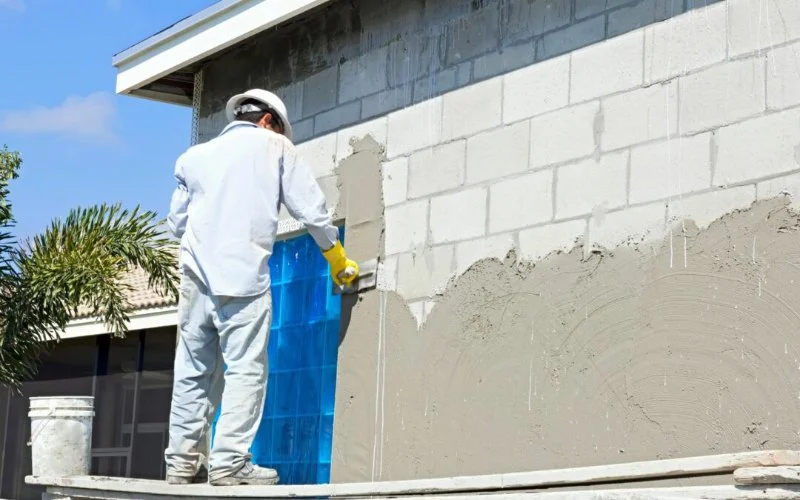
Stucco is a more traditional siding material made from a mixture of sand, cement, and lime. It’s known for its textured finish and ability to create a timeless, rustic appearance for homes. Stucco is applied in multiple layers, providing excellent insulation and soundproofing properties.
2.1 Features of Stucco Siding
Stucco offers a distinctive, smooth or textured finish that adds character to any home. It’s often used in Mediterranean, Spanish, and Southwestern-style homes but can be applied to any home style. Stucco is durable, but its application is labor-intensive and typically requires professional installation.
3. Pros and Cons of Vinyl Siding
3.1 Pros of Vinyl Siding
Vinyl siding offers several advantages that make it a popular choice for homeowners:
- Low Maintenance: Vinyl siding requires little maintenance compared to other materials. It doesn’t need to be repainted, and regular cleaning with a hose is usually enough to keep it looking good.
- Cost-Effective: Vinyl siding is one of the most affordable exterior options, making it ideal for homeowners on a budget.
- Durability: Vinyl siding is resistant to rotting, warping, and insects, making it a long-lasting option for your home’s exterior.
- Variety: It’s available in a range of colors and styles, allowing homeowners to customize the look of their home.
3.2 Cons of Vinyl Siding
Despite its benefits, vinyl siding does have a few drawbacks:
- Vulnerable to Impact Damage: Vinyl siding can crack or dent if hit by flying debris or extreme weather conditions.
- Color Fading: While vinyl siding is durable, the color may fade over time, especially in areas with intense sunlight.
- Limited Customization: Although there are various colors and textures, vinyl siding doesn’t offer the same level of customization as stucco or wood siding.
4. Pros and Cons of Stucco
4.1 Pros of Stucco
Stucco is known for its durability and aesthetic appeal, offering several key benefits:
- Durability: Stucco is a strong material that is resistant to fire, rot, and pests. It can last for decades if properly maintained.
- Energy Efficiency: Stucco has excellent insulating properties, helping to regulate your home’s temperature and reduce energy bills.
- Aesthetic Appeal: Stucco gives a timeless, sophisticated look to any home and is available in various textures and finishes.
4.2 Cons of Stucco
However, stucco also has a few disadvantages:
- Expensive Installation: Stucco is labor-intensive to install, which can make it more expensive than other siding options.
- Cracking: Stucco is prone to cracking, especially in areas with frequent temperature fluctuations or if improperly installed.
- High Maintenance: Stucco requires regular maintenance, including sealing to prevent water penetration and mold growth.
5. Cost Comparison: Vinyl Siding vs Stucco
The cost of installing vinyl siding and stucco can vary depending on several factors, including the size of the home, labor costs, and material quality. However, vinyl siding generally comes out as the more affordable option.
5.1 Vinyl Siding Costs
On average, vinyl siding costs between $2 to $7 per square foot, including materials and installation. It’s a more budget-friendly option for homeowners who are looking for an affordable solution to update their home’s exterior.
5.2 Stucco Costs
Stucco is more expensive, typically ranging from $6 to $9 per square foot. The installation process is more involved, which contributes to the higher cost.
6. Maintenance Requirements for Vinyl Siding and Stucco
When it comes to long-term upkeep, vinyl siding and stucco have different requirements. While vinyl siding is relatively low-maintenance, stucco demands more frequent attention to maintain its integrity and appearance.
6.1 Vinyl Siding Maintenance
Vinyl siding requires minimal maintenance. Periodic washing with a garden hose or power washer can keep it looking fresh, and occasional touch-ups may be needed to fix any damage or color fading.
6.2 Stucco Maintenance
Stucco needs more care to prevent cracking, moisture buildup, and mold. Regular inspections and resealing every few years are recommended to keep the material in good shape.
7. Durability and Lifespan
Both vinyl siding and stucco are durable options for home exteriors, but their lifespans can differ based on maintenance and environmental factors.
7.1 Vinyl Siding Lifespan
Vinyl siding typically lasts 20 to 40 years, depending on the quality of the material and how well it’s maintained.
7.2 Stucco Lifespan
Stucco can last for over 50 years if properly maintained, making it one of the longest-lasting exterior options available.
8. Aesthetic Considerations
Choosing between vinyl siding and stucco often comes down to personal aesthetic preferences. Vinyl siding is versatile and can mimic the look of wood, while stucco offers a more unique and traditional appearance with its various textures.
9. Making the Right Decision for Your Home
Choosing between vinyl siding and stucco depends on your budget, desired aesthetic, and the amount of maintenance you're willing to commit to. Vinyl siding is great for budget-conscious homeowners who want a low-maintenance option, while stucco is ideal for those willing to invest in a timeless and durable exterior.
For more guidance on choosing the right siding for your home, visit Total Roofing Hub for expert advice and high-quality materials.



 Garvin Exteriors5.0 (92 reviews)
 S New Roof5.0 (5 reviews)
 DNR Commercial Roofing LLC4.0 (12 reviews)
 Great Lakes Commercial Roofing, LLC4.0 (5 reviews)
 MG Brothers General Construction5.0 (2 reviews)
 Shingle Hut Complete Roofing Services4.0 (197 reviews)
 How to Maintain Flashing Around Windows, Doors & Roof Edges for Long-Term Durability
 How to Choose Roof Sheathing & Decking Materials
 How to Repair Siding Around Chimneys & Roof Intersections
 Roof & Siding Maintenance Tips for Real Estate Investors
 How to Maintain Your Siding Year Round: Essential Tips for Longevity
 Best Roofing Materials for Cold Climates – Durable Options for Winter