- 1. Introduction to Roofing and Soundproofing
- 2. Types of Roofing Materials and Their Impact on Soundproofing
- 3. Benefits of Soundproof Roofing
- 4. How Roofing Affects Indoor Acoustics
- 5. Tips for Improving Your Roof's Soundproofing
- 6. Case Studies: Real-Life Impact of Roofing on Soundproofing
1. Introduction to Roofing and Soundproofing
When considering soundproofing in your home, many homeowners focus on walls, floors, and windows, often overlooking the roof. However, the type of roofing material you use can play a critical role in reducing noise from outside, especially in areas with high levels of environmental noise, such as urban settings or near busy roads. This article explores how roofing impacts indoor soundproofing and offers tips on selecting the best materials for noise reduction.

McKay Construction, Inc.
Stone MountainDeKalb CountyGeorgia
966 Forest Trce, Stone Mountain, GA 30088, USA
2. Types of Roofing Materials and Their Impact on Soundproofing
Not all roofing materials are created equal when it comes to soundproofing. Some materials naturally absorb sound, while others reflect it, making a significant difference in how noise travels through your home. Below are some common roofing materials and their soundproofing properties:
- Asphalt Shingles: These are the most common roofing material in the United States, and while they provide some basic soundproofing, they are not as effective as other options in blocking out noise.
- Metal Roofing: Metal roofs are generally great for reflecting sound, but they can also amplify noise if not properly insulated. Adding a soundproofing underlayment can help reduce the sound of rain or hail.
- Clay or Concrete Tiles: These materials offer excellent noise reduction properties due to their density. They help in dampening external sounds like traffic and wind.
- Wood Shake or Shingles: Wood is naturally good at absorbing sound, making it a better option for soundproofing. It is especially effective in residential areas where noise from nature (rain, wind) needs to be reduced.
- Slate Roofing: Slate is heavy and dense, providing excellent noise reduction. It's one of the best materials for blocking out external sounds.
3. Benefits of Soundproof Roofing
Investing in a soundproof roof comes with numerous benefits beyond just reducing noise. Here are some key advantages:
- Improved Comfort: A quieter home is a more comfortable home, especially in areas with high noise pollution.
- Better Sleep Quality: Reducing external noise can help ensure a more peaceful sleep environment, which is particularly important for individuals who are sensitive to sound.
- Increased Home Value: Homes with better soundproofing are often more desirable to potential buyers, especially those living in noisy environments.
- Enhanced Privacy: A well-insulated roof can also prevent noise from escaping, increasing the level of privacy within your home.
4. How Roofing Affects Indoor Acoustics
The roof doesn't just block out external noise—it can also impact how sound travels inside your home. Roofing material can influence the way sound is reflected, absorbed, or diffused throughout your living spaces. A good soundproof roof helps maintain a peaceful, quiet indoor environment by:
- Blocking Outdoor Noise: A thicker, more sound-absorbing roof can prevent sounds like traffic, aircraft, or wind from entering your home.
- Improving Indoor Sound Quality: Soundproof roofing helps in reducing echoes and reverberation inside the house, creating a more pleasant acoustic environment.
- Reducing Energy Costs: Soundproof roofing materials also tend to offer better insulation, which can help keep your home cooler in summer and warmer in winter, contributing to lower energy bills.
5. Tips for Improving Your Roof's Soundproofing
If you want to enhance your roof's soundproofing abilities, here are some effective strategies:
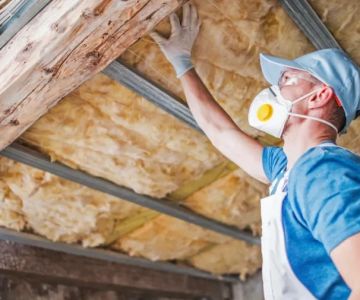
- Install Soundproof Insulation: Adding a layer of soundproof insulation underneath your roofing material can make a significant difference in noise reduction.
- Choose the Right Roofing Material: Opt for denser, thicker materials like slate, concrete, or clay tiles to better absorb and block external sounds.
- Add a Soundproofing Underlayment: For metal roofs or less soundproof materials, installing an underlayment made of sound-dampening materials can help reduce noise amplification.
- Seal Gaps and Cracks: Ensure that all gaps, seams, and joints in the roof are properly sealed to prevent noise leakage into your home.
6. Case Studies: Real-Life Impact of Roofing on Soundproofing
Several homeowners have shared their experiences regarding the impact of roofing materials on soundproofing. For example, one case involved a family living near a busy highway. After replacing their asphalt shingles with concrete tiles, they reported a noticeable reduction in road noise inside their home. Another case involved a home near an airport where installing a slate roof with soundproof insulation drastically improved indoor acoustics, making the home feel quieter and more peaceful.
These real-life examples demonstrate how important it is to choose the right roofing material for effective soundproofing, especially for those living in noisy environments. Whether you are building a new home or replacing your roof, investing in soundproof roofing materials can make a world of difference in your daily comfort.
For more tips on roofing materials and soundproofing solutions, visit Total Roofing Hub for expert advice and recommendations tailored to your needs.
 Marc Joseph remodeling5.0 (1 reviews)
 PRS Roofing Inc5.0 (9 reviews)
 KAPS CONSTRUCTION4.0 (5 reviews)
 Marshall Exteriors, LLC4.0 (213 reviews)
 S.W.A.T. Roofing & Consulting4.0 (46 reviews)
 MATFI RENOVATIONS LLC5.0 (23 reviews)
 Siding Material Fire Ratings: What’s Required & What to Choose
 Roof Talk: Common Terminology Every Homeowner Should Know
 How Often Should You Replace Your Home's Siding? Expert Tips on Siding Longevity
 The Average Lifespan of Asphalt Shingle Roofs: How Long Do They Last?
 How to Choose a Reliable Roofing Contractor Near You | Top Tips and Questions
 Should I Repair or Replace My Roof? – Expert Guide for U.S. Homeowners