
Cedar vs Engineered Wood Siding: Which One Is More Durable?
Choosing the right siding material is one of the most important decisions a homeowner can make. The right choice not only enhances curb appeal but also determines how well your home stands up to the elements. When comparing cedar vs engineered wood siding, durability often becomes the deciding factor. In this article, we’ll break down both options, explore their strengths and weaknesses, and help you decide which is the best fit for your home. For high-quality siding materials and expert installation advice, visit Total Roofing Hub.
- 1. Understanding Cedar Siding
- 2. What Is Engineered Wood Siding?
- 3. Durability Comparison: Cedar vs Engineered Wood
- 4. Weather and Moisture Resistance
- 5. Maintenance and Longevity
- 6. Real-World Examples: How Each Performs Over Time
- 7. Expert Recommendation from Total Roofing Hub
1. Understanding Cedar Siding
Cedar siding is one of the oldest and most beloved choices for home exteriors. Known for its natural beauty and rich grain, cedar provides a timeless look that many homeowners love. It also has a natural resistance to insects and decay due to its oils and tannins. However, cedar’s organic nature makes it vulnerable to weathering if not maintained properly.
Advantages of Cedar Siding
Cedar siding offers natural insulation and breathability, allowing your home to stay cool in the summer and warm in the winter. Its classic aesthetic makes it a favorite for craftsman-style homes and rustic designs. Additionally, cedar can be easily customized with stains and paints to match your desired look.

Downsides of Cedar Siding
Despite its charm, cedar requires consistent maintenance. Without regular sealing or painting, it can crack, warp, or rot over time—especially in humid or rainy climates. Termite damage is also a concern if the wood isn’t properly treated.
2. What Is Engineered Wood Siding?
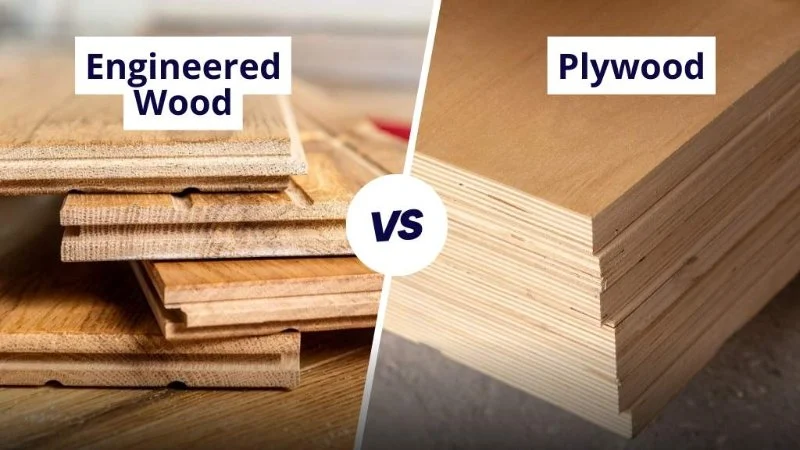
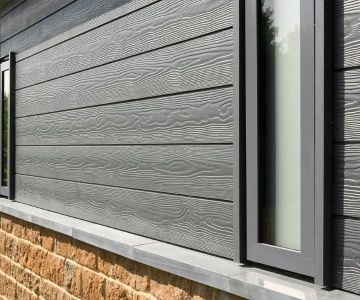
Engineered wood siding is a modern alternative designed to mimic the look of natural wood while offering superior durability and lower maintenance. Made from wood fibers, resins, and wax, this siding is pressed under high pressure to create a strong, uniform panel that resists many of the weaknesses of natural wood.
Key Features
Engineered wood siding comes pre-primed or pre-finished, making installation quicker and easier. It’s resistant to moisture, pests, and fungal decay. Manufacturers like LP SmartSide and TruWood have refined their formulas to make engineered wood capable of lasting decades with minimal upkeep.
Eco-Friendly Aspects
Engineered wood is also more sustainable. Because it’s made from wood fibers and recycled content, it uses fewer natural resources than harvesting solid cedar. It’s a great option for homeowners looking for an environmentally conscious choice without sacrificing appearance.
3. Durability Comparison: Cedar vs Engineered Wood
When it comes to durability, engineered wood generally outperforms cedar. While cedar can last 20 to 40 years with proper maintenance, engineered wood siding often lasts up to 50 years or more. The key difference lies in how each material handles exposure to water, sun, and temperature fluctuations.
Resistance to Environmental Stress
Cedar can expand and contract naturally, which may cause splitting over time. Engineered wood, on the other hand, is manufactured to resist warping and maintain its shape, even under extreme conditions.
Strength and Impact Resistance
Engineered wood panels are stronger and denser than traditional cedar planks. This makes them better suited for homes in areas with high winds, heavy rainfall, or hailstorms.
4. Weather and Moisture Resistance
Moisture is the biggest enemy of any siding material. Cedar, although naturally resistant to decay, will eventually absorb moisture if not sealed regularly. Over time, this can lead to mold or mildew buildup.
Engineered Wood’s Edge
Engineered wood siding is treated with advanced resins and waxes that repel water. This protective coating helps it withstand years of exposure to humidity without rot or swelling. For coastal or rainy climates, engineered wood is often the better choice.
5. Maintenance and Longevity
Cedar siding requires periodic staining or painting every few years to preserve its appearance and structural integrity. If neglected, it can quickly fade and deteriorate. In contrast, engineered wood siding only needs occasional cleaning and inspection, significantly reducing upkeep costs.
Cost vs Value
While cedar siding can be more expensive upfront due to its natural wood sourcing, the long-term maintenance costs often make engineered wood a more budget-friendly option over time. Many homeowners prefer engineered siding because it balances beauty with practicality.
6. Real-World Examples: How Each Performs Over Time
In Colorado’s dry mountain climate, homeowners often choose cedar for its rustic look. However, after 10 years, UV exposure tends to gray the wood, requiring re-staining. In contrast, a home in Seattle using engineered wood siding remains largely unchanged after a decade of rain and humidity exposure, thanks to its moisture-resistant composition.
Professionals at Total Roofing Hub often note that modern engineered products mimic the look of natural wood so closely that most people can’t tell the difference, even up close.
7. Expert Recommendation from Total Roofing Hub
If you prioritize low maintenance, weather resistance, and long-term value, engineered wood siding is the more durable option. However, if you love the authentic grain and aroma of real wood — and don’t mind occasional upkeep — cedar remains a beautiful, timeless choice.
At Total Roofing Hub, our experts recommend combining quality installation with the right material selection to ensure maximum performance. Whether you choose cedar or engineered wood, proper flashing, sealing, and ventilation are key to extending your siding’s life for decades to come.

 Garvin Exteriors5.0 (92 reviews)
 S New Roof5.0 (5 reviews)
 DNR Commercial Roofing LLC4.0 (12 reviews)
 Great Lakes Commercial Roofing, LLC4.0 (5 reviews)
 MG Brothers General Construction5.0 (2 reviews)
 Shingle Hut Complete Roofing Services4.0 (197 reviews)
 How to Maintain Flashing Around Windows, Doors & Roof Edges for Long-Term Durability
 How to Choose Roof Sheathing & Decking Materials
 How to Repair Siding Around Chimneys & Roof Intersections
 Roof & Siding Maintenance Tips for Real Estate Investors
 How to Maintain Your Siding Year Round: Essential Tips for Longevity
 Best Roofing Materials for Cold Climates – Durable Options for Winter