- 1. Why Cold Climate Roofing Matters
- 2. Top Roofing Materials for Cold Climates
- 3. Choosing the Right Roof for Snow and Ice
- 4. Maintaining Your Roof in Cold Climates
- 5. Real-Life Case Study: Roofing in Harsh Winters
- 6. Recommended Products for Cold Weather Roofs
1. Why Cold Climate Roofing Matters
When living in a cold climate, choosing the right roofing material is crucial for the protection of your home. Roofs in colder regions are exposed to severe weather conditions such as snow, ice, and freezing temperatures, which can cause significant damage over time. It’s essential to select materials that can handle the weight of snow, resist ice dams, and offer superior insulation to keep your home energy-efficient during the coldest months.
1.1 The Impact of Snow and Ice
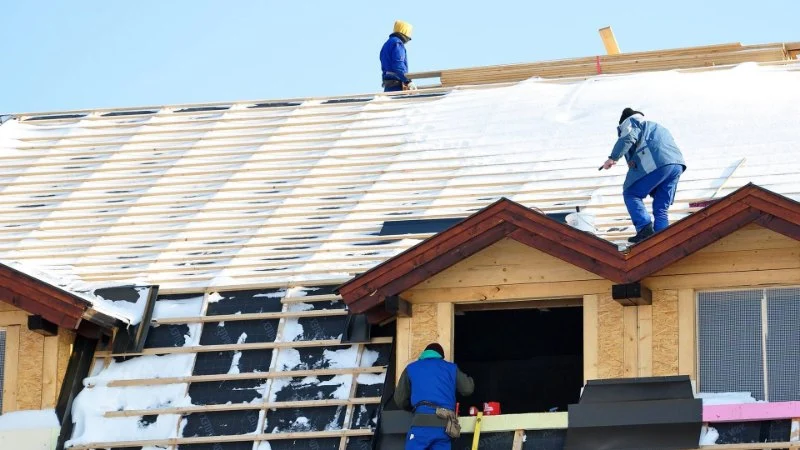
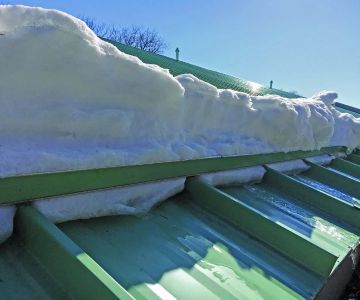
Heavy snow and ice buildup can cause a variety of issues for roofs, including leaks, structural damage, and even roof collapse in extreme cases. Ice dams, which form when melting snow refreezes at the roof's edge, can cause water to back up under the shingles, leading to leaks inside the home. Therefore, selecting a roofing material that can effectively manage snow and ice is vital for the long-term health of your home.
1.2 Energy Efficiency in Cold Weather
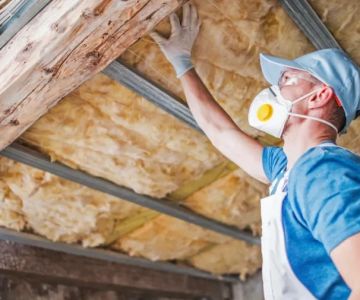
A well-insulated roof is key to maintaining warmth inside your home during the winter. Cold air can seep into your attic and home through poorly insulated roofs, causing your heating system to work harder. Insulation in roofing materials not only helps to keep the cold out but also reduces energy costs by keeping warmth inside, which is essential in colder climates.
2. Top Roofing Materials for Cold Climates
In cold climates, certain roofing materials are more suited to withstand snow, ice, and freezing temperatures. Here are some of the best roofing materials for homes in these areas:
2.1 Metal Roofing
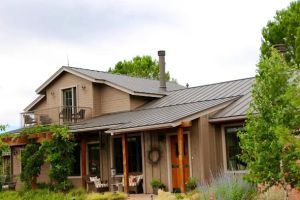
Metal roofing is one of the best options for cold climates due to its ability to shed snow and ice easily. Snow slides off metal roofs more readily than other materials, reducing the risk of snow buildup and ice dams. Additionally, metal roofs are durable, energy-efficient, and resistant to the harsh effects of freezing temperatures, making them a top choice for homeowners in snowy regions.
2.2 Asphalt Shingles
Asphalt shingles are the most common roofing material in the United States, including in cold climates. They are affordable, easy to install, and come in a variety of styles and colors. When properly installed with adequate ventilation, asphalt shingles can effectively manage snow and ice. However, homeowners should consider high-quality, impact-resistant shingles for better protection during winter storms.
2.3 Slate Roofing
Slate roofing is a premium material that provides excellent durability and resistance to freezing temperatures. Slate roofs are heavy, which allows them to withstand the weight of snow and ice, and they are highly resistant to water penetration, which helps prevent ice dams. Although slate roofing is expensive, its longevity and resistance to the elements make it a great long-term investment for cold climates.
2.4 Clay and Concrete Tiles
While clay and concrete tiles are typically associated with warmer climates, they can also be a good choice for cold climates if installed correctly. These materials are durable, fire-resistant, and provide excellent insulation. However, they are heavy and may require additional structural support. Clay and concrete tiles can withstand the weight of snow, but it’s essential to ensure that the roof is well-maintained to avoid cracking due to freeze-thaw cycles.
3. Choosing the Right Roof for Snow and Ice
When selecting a roofing material for snowy and icy conditions, it’s essential to consider the specific challenges that cold climates pose. Here are some factors to consider when choosing the right roof for your home:
3.1 Snow Load Capacity
One of the most important factors to consider is the snow load capacity of the roofing material. In areas that receive heavy snowfall, the roof must be able to support the weight of the snow without risk of collapse. Metal roofs, slate, and concrete tiles are all materials that offer high snow load capacity and can handle the weight of snow and ice effectively.
3.2 Ice Dam Prevention
Ice dams form when melting snow refreezes at the edge of the roof. This can lead to water backing up under shingles, causing leaks. To prevent ice dams, it’s essential to choose materials that allow for proper ventilation and insulation, such as metal or well-ventilated asphalt shingles. Installing heating cables along the roof's edge can also help prevent ice dams by keeping the roof temperature above freezing.
3.3 Insulation and Energy Efficiency
Good insulation is essential in cold climates to keep the home warm and energy-efficient. Roofing materials that offer better insulation, such as metal roofing with reflective coatings, can help reduce heating costs. Proper attic insulation is also important, as it helps prevent heat loss and keeps the roof from warming up too quickly and melting snow, which can cause ice dams.
4. Maintaining Your Roof in Cold Climates
Roof maintenance is crucial in cold climates to ensure your roof remains in good condition throughout the winter. Here are some tips for maintaining your roof during cold weather:
4.1 Regular Snow Removal
Regularly removing snow from your roof can help prevent snow buildup and reduce the risk of ice dams. Use a roof rake with a long extension pole to safely remove snow without damaging the roofing material. Make sure to remove snow when it’s light and fluffy, as packed snow is more difficult to remove and can cause damage to the roof.
4.2 Inspect for Ice Dams
Inspect your roof for ice dams, especially after heavy snowstorms. Ice dams can cause leaks, so it’s important to remove them as soon as possible. You can melt ice dams by carefully applying calcium chloride ice melt or using a roof rake. If ice dams are a recurring issue, consider installing a heated roof system to help prevent future buildup.
4.3 Check for Leaks
Leaks can be more common in cold climates due to ice dams or moisture buildup. Regularly check your attic and ceiling for signs of leaks. If you notice water stains or damp spots, have your roof inspected by a professional to determine the cause of the leak and make necessary repairs.
5. Real-Life Case Study: Roofing in Harsh Winters
Let’s take a look at a real-life example of how a metal roof helped a homeowner in a cold climate. In a snowy region of the Midwest, a family decided to replace their aging asphalt roof with a standing seam metal roof. After the installation, they noticed a significant reduction in snow buildup on the roof, as the snow easily slid off the smooth metal surface. The family also saved on heating costs due to the metal roof’s reflective properties, keeping their home warmer during the winter months. This investment proved to be beneficial for both the longevity of the roof and the family’s comfort during the harsh winters.
6. Recommended Products for Cold Weather Roofs
If you’re looking for roofing products designed to withstand cold climates, check out these recommendations from Total Roofing Hub:
- Insulated Roof Panels: Perfect for improving energy efficiency in cold climates.
- Roofing Heating Cables: Prevent ice dams with heated cables along the edge of the roof.
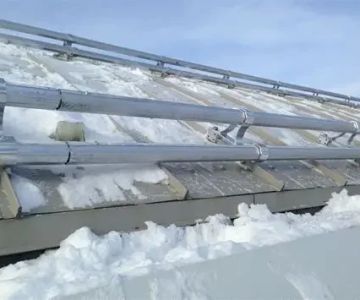
- Snow Guards: Keep snow and ice from sliding off the roof and causing damage.
- Roof Rakes: Ideal for safely removing snow from your roof during winter storms.
Visit Total Roofing Hub for high-quality roofing materials and products to protect your home in cold weather!
 Marc Joseph remodeling5.0 (1 reviews)
 PRS Roofing Inc5.0 (9 reviews)
 KAPS CONSTRUCTION4.0 (5 reviews)
 Marshall Exteriors, LLC4.0 (213 reviews)
 S.W.A.T. Roofing & Consulting4.0 (46 reviews)
 MATFI RENOVATIONS LLC5.0 (23 reviews)
 Siding Material Fire Ratings: What’s Required & What to Choose
 Roof Talk: Common Terminology Every Homeowner Should Know
 How Often Should You Replace Your Home's Siding? Expert Tips on Siding Longevity
 The Average Lifespan of Asphalt Shingle Roofs: How Long Do They Last?
 How to Choose a Reliable Roofing Contractor Near You | Top Tips and Questions
 Should I Repair or Replace My Roof? – Expert Guide for U.S. Homeowners