- Understanding Flat and Pitched Roofs
- Key Differences Between Flat and Pitched Roofs
- Choosing Roofing Materials for Flat Roofs
- Choosing Roofing Materials for Pitched Roofs
- Maintenance Considerations for Each Type
- Practical Tips and Real-World Examples
- Why Choose Total Roofing Hub for Your Garage or Shed Roof
Understanding Flat and Pitched Roofs
When it comes to garages and sheds, roofing isn’t just about protection—it’s also about function, durability, and design. The choice between a flat and a pitched roof can dramatically affect the structure’s performance, maintenance requirements, and cost. Homeowners often struggle to determine which is best suited for their property, especially when factors like climate, budget, and purpose come into play.
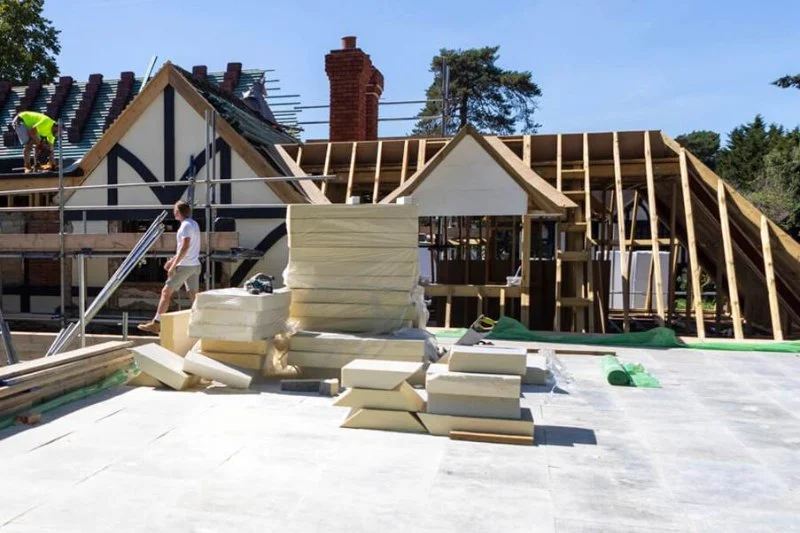
A flat roof typically has a very slight slope (usually between 1–10°) to allow for water drainage. It’s often used for modern-style sheds and garages, offering a sleek, minimalist look. A pitched roof, on the other hand, features a steeper angle and provides better water and snow runoff, making it ideal for regions with heavier rainfall or snow accumulation.
Apple Roofing
Punta GordaCharlotte CountyFlorida
24420 Sandhill Blvd Unit 103, Punta Gorda, FL 33983, USA
Key Differences Between Flat and Pitched Roofs
While both types serve the same purpose—protection from the elements—their differences can significantly influence cost, appearance, and longevity. Below are the primary distinctions:
- Design and Aesthetics: Pitched roofs offer a more traditional, classic look that complements most American home styles. Flat roofs, by contrast, are modern and minimalist, commonly seen on contemporary garages or sheds.
- Drainage: Pitched roofs naturally shed water and snow, reducing the risk of leaks. Flat roofs require proper sealing and drainage systems to prevent pooling water, which can lead to damage if neglected.
- Cost: Flat roofs tend to be more affordable to install because they require fewer materials and less labor. However, they may need more frequent maintenance compared to pitched roofs.
- Space Utilization: A flat roof can double as a storage area, solar panel platform, or even a rooftop garden. Pitched roofs, while not ideal for such use, offer better insulation and attic space.
Understanding these differences helps you make an informed decision that aligns with both your aesthetic goals and practical needs.
Choosing Roofing Materials for Flat Roofs
Flat roofs require specific materials designed to resist standing water and UV exposure. Some of the most popular flat roofing materials for garages and sheds include:
- EPDM Rubber Roofing: A highly durable synthetic rubber material that’s resistant to cracking, UV damage, and leaks. It’s relatively affordable and easy to install.
- TPO (Thermoplastic Polyolefin): A single-ply reflective membrane that helps reduce heat absorption—perfect for garages exposed to direct sunlight.
- Modified Bitumen: A combination of asphalt and rubber that provides excellent waterproofing and flexibility, ideal for regions with fluctuating temperatures.
When choosing flat roofing materials, consider your local weather conditions and the amount of maintenance you’re willing to perform. For example, in areas with heavy rain, investing in a high-quality membrane with strong seam sealing can prevent future leaks and costly repairs.
Choosing Roofing Materials for Pitched Roofs
Pitched roofs offer a wider variety of material choices, each with distinct advantages in terms of appearance and longevity. Common materials include:
- Asphalt Shingles: The most popular and budget-friendly option. They come in various colors and styles, making them suitable for both garages and sheds.
- Metal Roofing: A durable and lightweight choice that can last over 40 years. Metal panels are particularly effective for sheds in snowy or windy regions.
- Wood Shakes or Shingles: Ideal for a rustic look, though they require regular maintenance and are less resistant to fire and moisture.
- Clay or Concrete Tiles: Though heavier and more expensive, they provide unmatched durability and insulation, perfect for high-end or long-term builds.
When selecting roofing materials for a pitched garage or shed, consider not just durability but also how the material complements your home’s main structure.
Maintenance Considerations for Each Type
Maintenance needs differ greatly between flat and pitched roofs. Flat roofs require more frequent inspections, particularly after heavy storms. Ensure drains are clear and check for cracks in the waterproof membrane. Applying a roof sealant every few years can help extend the lifespan.
Pitched roofs, while easier to maintain in terms of drainage, still require occasional attention. Inspect for loose or missing shingles, check flashing around vents and chimneys, and clear any debris that may accumulate in gutters.
For both types, regular maintenance not only extends the roof’s life but also prevents minor issues from turning into costly repairs. Scheduling annual inspections—especially before winter—can help spot early warning signs.
Practical Tips and Real-World Examples
In rural states like Montana or Colorado, homeowners often prefer metal pitched roofs for their sheds and garages due to heavy snow loads. A metal roof easily sheds snow, preventing buildup and potential collapse. On the other hand, in urban areas such as Los Angeles, flat roofs with TPO membranes are more common due to their modern aesthetic and energy efficiency.
Budget-conscious homeowners can also consider hybrid roofing systems—such as slightly sloped roofs that blend the benefits of both types. One homeowner in Oregon, for example, converted his aging flat garage roof into a low-slope metal system to improve drainage without compromising the modern design.
Ultimately, the best roofing choice depends on climate, maintenance preferences, and design goals.
Why Choose Total Roofing Hub for Your Garage or Shed Roof
At Total Roofing Hub, we understand that choosing the right roof can be overwhelming. That’s why we offer expert advice, quality materials, and reliable service to help you make the best decision for your garage or shed. Whether you’re building a new structure or repairing an existing one, our team provides solutions tailored to your specific needs and budget.
Visit Total Roofing Hub today to explore our selection of flat and pitched roofing options—because the right roof isn’t just about shelter, it’s about long-term protection and peace of mind.
 Preferred Quality Solutions5.0 (3 reviews)
 Enterprise Roofing5.0 (2 reviews)
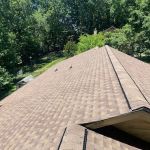 Innovative Roofing & Siding Inc5.0 (193 reviews)
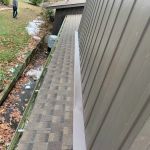 The Roofing King LLC4.0 (18 reviews)
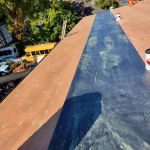 A.F.ORDONEZ CONSTRUCTION L.L.C5.0 (5 reviews)
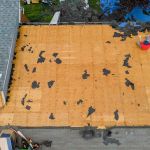 Lion Roofing5.0 (11 reviews)
 Vinyl Siding vs Board and Batten Styles – Pros & Cons Explained for Homeowners
 How Much Does a New Roof Cost in 2025? | Total Roofing Hub
 The Ultimate Guide to Roof Replacement for Homeowners
 Pros and Cons of Fiber Cement Siding
 Should I Repair or Replace My Roof?
 The Average Lifespan of Asphalt Shingle Roofs and How to Extend It