
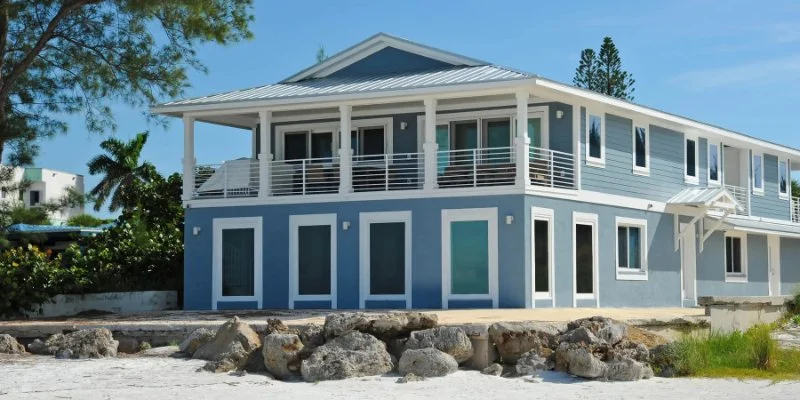
How to Make Your Siding More Weather-Resistant During Hurricanes
- Understanding Hurricane Impact on Siding
- Choosing the Right Siding Material
- Installation Techniques for Weather Resistance
- Maintenance Tips to Prolong Durability
- Real Case: Hurricane Damage Prevention Success
- Professional Help from Total Roofing Hub
1. Understanding Hurricane Impact on Siding
When hurricane season arrives, your home’s exterior becomes the first line of defense against powerful winds and driving rain. Siding, in particular, plays a crucial role in protecting the structure of your home. During severe storms, strong gusts can lift panels, crack materials, or force water behind the siding, leading to mold, rot, and insulation damage. Understanding how hurricanes affect your siding is the first step toward making it more resilient.
In coastal regions, even minor storms can produce wind speeds exceeding 75 mph. Under such conditions, improperly installed or low-quality siding can fail quickly. Investing in durable materials and professional installation not only enhances protection but also minimizes repair costs in the long term.
Premier Roofing Services
Los AngelesLos Angeles CountyCalifornia
19100 Ventura Blvd, Tarzana, CA 91356, USA
2. Choosing the Right Siding Material
The type of siding you choose has a major impact on how well your home withstands hurricanes. Different materials offer varying levels of resistance to wind, moisture, and impact. Below are some of the most weather-resistant siding options for hurricane-prone areas:
Rain Gutter Pros Inc
Los AngelesLos Angeles CountyCalifornia
14320 Ventura Blvd UNIT 228, Sherman Oaks, CA 91423, USA
Vinyl Siding
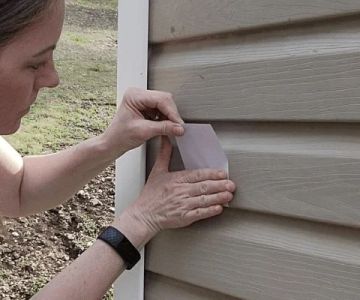
Modern vinyl siding has come a long way in terms of strength and durability. High-quality options can withstand winds up to 110 mph when installed correctly. Look for vinyl siding rated for high-wind zones and ensure it has reinforced locking systems for extra security.
Fiber Cement Siding
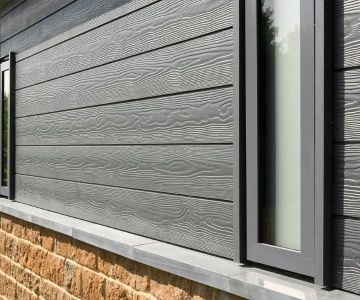
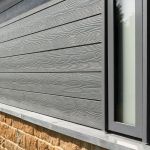
Fiber cement siding, such as HardiePlank, is one of the most durable materials available. It resists warping, cracking, and rot while offering excellent fire and moisture protection. This makes it an ideal choice for coastal homeowners seeking longevity and low maintenance.
Metal Siding
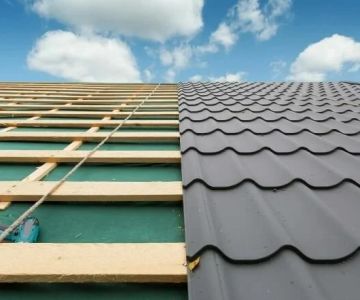
For ultimate strength, metal siding—such as aluminum or steel—is a reliable choice. It holds up well under high wind conditions and resists water infiltration. However, it can be more expensive and may require professional sealing to prevent corrosion in salty environments.
At Total Roofing Hub, we help homeowners compare material options and choose siding that meets both budget and performance needs. Our team ensures every recommendation aligns with the latest hurricane building codes.
3. Installation Techniques for Weather Resistance
Even the best siding materials can fail if not installed correctly. A weather-resistant installation involves precision, proper sealing, and attention to local wind ratings. Here’s what expert contractors focus on during hurricane-resistant siding installation:
Secure Fastening
Nails or fasteners must be driven into wall studs, not just sheathing, to ensure maximum hold. In hurricane zones, stainless steel fasteners are preferred because they resist rust and corrosion.
Proper Overlaps and Locking
Each siding panel must overlap precisely to prevent wind uplift. Tight interlocking seams reduce the chance of water infiltration, which can be disastrous during heavy rains.
Water Barrier Systems
Beneath the siding, contractors install a water-resistant barrier (WRB) such as house wrap or rigid foam sheathing. This layer helps prevent water from seeping into the walls, even if the siding is damaged during a storm.
4. Maintenance Tips to Prolong Durability
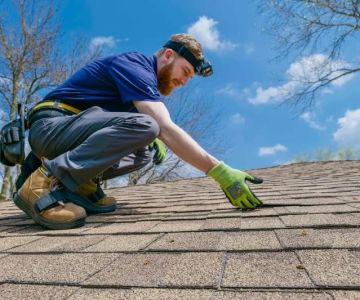
Preparing your siding for hurricane season doesn’t end with installation. Regular maintenance keeps your home ready for whatever nature throws at it. Inspect your siding at least twice a year—once before hurricane season and once after major storms.
Look for signs of loose panels, cracked caulking, or warped sections. Clean dirt and mildew buildup that can weaken the siding over time. Sealing small gaps and applying a weather-resistant finish can significantly extend your siding’s lifespan.
Additionally, trimming nearby trees and securing outdoor furniture can prevent windblown debris from striking your siding during a storm—one of the most common causes of hurricane-related damage.
5. Real Case: Hurricane Damage Prevention Success
One homeowner in Florida contacted Total Roofing Hub for a siding upgrade after their vinyl panels were torn off during a tropical storm. The team replaced the old siding with reinforced fiber cement panels and added a new water barrier beneath. The next hurricane season, the area experienced Category 2 winds—and their home came through completely unscathed.
This case demonstrates how the right materials, proper installation, and professional guidance can make all the difference in hurricane protection. Investing in weather-resistant siding can save thousands of dollars in potential repairs and prevent months of stress after a major storm.
6. Professional Help from Total Roofing Hub
At Total Roofing Hub, we specialize in storm-resistant exterior solutions. Our experts assess your home’s structure, climate exposure, and local codes to recommend the best siding system for long-term durability. From premium materials to meticulous installation, we ensure every project is built to withstand even the toughest hurricane conditions.
If you’re looking to upgrade your home’s resilience, contact Total Roofing Hub today to learn more about siding options designed for extreme weather performance. Your home deserves protection that lasts—before, during, and after the storm.
 1ST CHOICE ROOFING, INC.0.0 (0 reviews)
 Altitude Atlas Roofing5.0 (7 reviews)
 Texas Select Roofing and Construction4.0 (84 reviews)
 MasterWorks Group5.0 (1 reviews)
 Chesapeake Roofing, Windows & Siding Inc.5.0 (1 reviews)
 Limitless Building Solutions3.0 (3 reviews)
 Roof Underlayment Tear-Off vs Overlay Costs: What You Need to Know
 How to Retrofit Older Homes with Modern Roofing / Siding Materials
 How to Budget for a Roof Replacement Project
 Comparative Cost: Standing Seam Metal Roof vs Shingles Over 20 Years
 Environmental Benefits of Cool Roofs: Why You Should Consider Installing One
 Pros and Cons of Fiber Cement Siding