
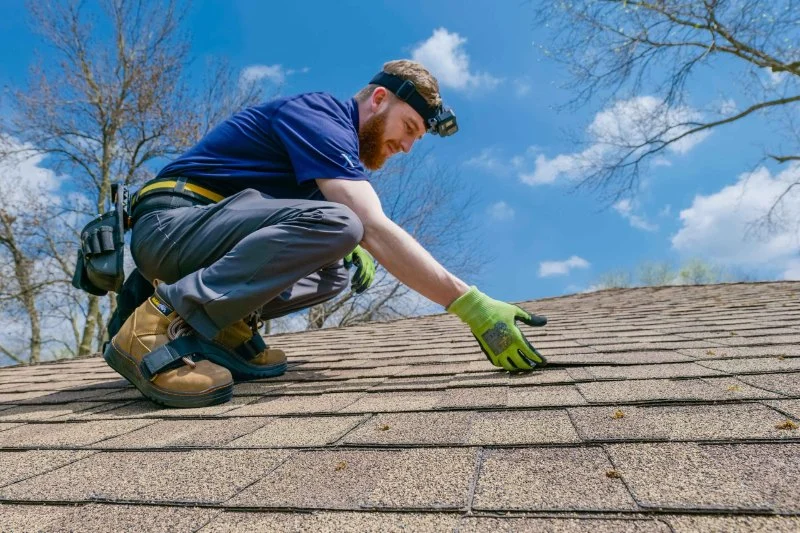
- 1. Introduction: The Importance of Inspecting Siding After Summer Storms
- 2. Common Types of Damage to Siding from Summer Storms
- 3. Step-by-Step Guide to Inspecting Your Siding
- 4. How to Address Common Siding Issues Post-Storm
- 5. When to Call a Professional Roofing Service
- 6. Conclusion: Protecting Your Home's Siding Year-Round
1. Introduction: The Importance of Inspecting Siding After Summer Storms
Summer storms can bring powerful winds, heavy rain, and even hail, all of which can damage your home's siding. After such storms, it's essential to inspect your siding for any signs of damage. Ignoring these signs could lead to larger, more expensive issues later on. Regular inspections ensure that your home remains protected from the elements and maintains its aesthetic appeal.

Horizon Realty Developments
14405 Walters Rd Suite 607, Houston, TX 77014, USA
2. Common Types of Damage to Siding from Summer Storms
Siding is your home’s first line of defense against weather and moisture, but it's not invincible. During summer storms, various types of damage can occur. Here are some common issues:
1. Cracks and Holes: The force of strong winds or flying debris can cause cracks or holes in your siding. This damage can allow moisture to seep in, leading to mold growth or wood rot.
2. Warping: Extreme heat followed by rain can cause certain types of siding, such as vinyl or wood, to warp. Warped siding doesn't offer the same level of protection and can be unsightly.
3. Fading and Discoloration: While not as structurally damaging, the intense sunlight that often accompanies summer storms can cause fading or discoloration in your siding material.
4. Loose or Detached Panels: High winds can loosen or even detach sections of siding. This exposes the underlying structure of your home to the elements and compromises its insulation.

3. Step-by-Step Guide to Inspecting Your Siding
It's important to conduct a thorough inspection of your siding after any significant summer storm. Follow these steps for an effective check-up:
1. Safety First: Ensure that you are safe before inspecting your siding. Use a sturdy ladder if needed, and never attempt to climb on your roof or siding during dangerous weather conditions.
2. Inspect for Visible Damage: Start by visually inspecting your siding for any cracks, dents, or holes. Pay close attention to areas that may have been directly impacted by debris or high winds.
3. Check for Warping: Run your hands along the surface of your siding to feel for any warping or buckling, which may indicate that moisture has gotten trapped behind the siding.
4. Look for Mold or Mildew: Check for signs of moisture accumulation, which can lead to mold and mildew growth. Look for discoloration or a musty smell around seams or joints.
5. Examine the Caulking and Seals: Check the caulking around windows, doors, and vents. If the caulking has cracked or pulled away, water can seep in and cause internal damage.
4. How to Address Common Siding Issues Post-Storm
After identifying the damage, it’s essential to address the issues promptly to prevent further deterioration. Here’s how to handle common siding issues:
1. Repairing Cracks and Holes: Small cracks can often be repaired with caulk or siding filler. For larger holes, replacement panels may be necessary.
2. Replacing Warped Siding: If the siding is warped beyond repair, it may need to be replaced. This is especially true for wood or vinyl siding that has expanded or shrunk due to moisture.
3. Power Washing and Cleaning: For fading or dirt buildup, consider power washing your siding. Be sure to follow the manufacturer's recommendations for cleaning to avoid damage.
4. Replacing Loose or Detached Panels: If sections of your siding have become detached, it’s crucial to replace or re-secure them to prevent water from getting behind the panels.
5. When to Call a Professional Roofing Service
While many small repairs can be handled by homeowners, some issues require the expertise of a professional. If the damage is extensive or if you're unsure about your inspection, it’s best to call a professional roofing or siding contractor. They have the tools and expertise to ensure repairs are done correctly and safely.
6. Conclusion: Protecting Your Home's Siding Year-Round
Inspecting your siding after a summer storm is crucial to maintaining the integrity of your home. Regular checks and prompt repairs can help protect your home from long-term damage caused by water infiltration and other issues. By being proactive and staying on top of repairs, you can ensure your home stays safe and comfortable for years to come.
For expert advice and the best siding repair products, visit Total Roofing Hub for the latest recommendations and services.
 Luna Roofing0.0 (0 reviews)
 A and J Roofing Service0.0 (0 reviews)
 Best Choice Roofing4.0 (54 reviews)
 Cambro Services4.0 (17 reviews)
 Landmark solutions llc4.0 (10 reviews)
 Ipro Roofing & Construction5.0 (35 reviews)
 Top 10 Signs Your Roof Needs Immediate Repair
 How to Repair Roof Eaves & Overhang Damage: Step-by-Step Guide
 Design Tips: Mixing Roofing Styles & Siding Styles for Visual Appeal
 Asphalt Shingle Roof Lifespan: How Long Should It Last? | Top Tips
 How to Match Roof Shingles with Your Siding Color for a Perfect Home Exterior
 What to Expect During a Roof Inspection