
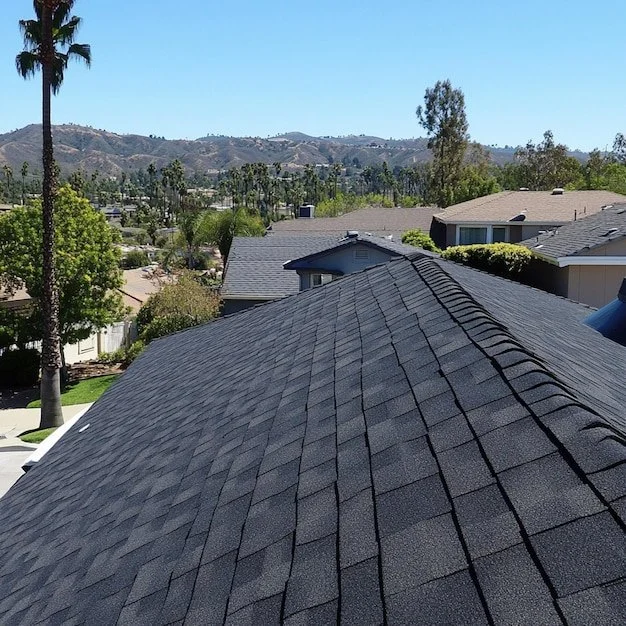
- 1. Understanding the Lifespan of Asphalt Shingle Roofs
- 2. Factors That Affect the Lifespan of Asphalt Shingles
- 3. Signs It’s Time to Replace Your Asphalt Shingle Roof
- 4. How to Extend the Lifespan of Your Asphalt Shingle Roof
- 5. Real-Life Example: How a Properly Maintained Roof Can Last
- 6. Conclusion
1. Understanding the Lifespan of Asphalt Shingle Roofs
When it comes to roofing materials, asphalt shingles are among the most popular choices for homeowners in the United States. They are affordable, versatile, and come in a variety of styles and colors. But how long can you expect an asphalt shingle roof to last? The average lifespan of asphalt shingle roofs typically ranges from 15 to 30 years, depending on various factors like climate, maintenance, and installation quality. In this article, we’ll explore what influences the lifespan of asphalt shingles and how you can make sure your roof lasts as long as possible.
2. Factors That Affect the Lifespan of Asphalt Shingles
While asphalt shingles are durable, several factors can influence how long they will last. Understanding these factors can help you extend the life of your roof and avoid costly repairs or early replacement.

DUBAI GLOBAL CONSTRUCTION, LLC
15451 Bulverde Rd, San Antonio, TX 78247, USA
2.1. Quality of the Shingles
The quality of the asphalt shingles you choose plays a significant role in their longevity. There are different grades and types of asphalt shingles, and higher-quality shingles tend to last longer. Architectural shingles, for example, are made with multiple layers and are more durable than basic three-tab shingles. Choosing high-quality shingles may cost more initially but can save you money in the long run by extending the lifespan of your roof.
2.2. Climate and Weather Conditions
Where you live can impact how long your asphalt shingles will last. Areas with harsh weather conditions, such as heavy rains, extreme heat, or frequent storms, can shorten the lifespan of your roof. UV rays from the sun can cause the shingles to degrade over time, while heavy snow or ice can cause damage through freezing and thawing cycles. In places with high humidity or coastal areas with salty air, shingles may deteriorate more quickly.
2.3. Roof Installation
The quality of the roof installation is another critical factor. A poorly installed roof can result in premature failure, even with high-quality materials. Make sure your roof is installed by a licensed and experienced professional to ensure it is done correctly. Proper installation includes securing the shingles tightly, applying the correct underlayment, and ensuring proper ventilation, all of which help to protect the roof from damage.
2.4. Maintenance and Inspections
Routine maintenance and inspections can significantly extend the lifespan of your asphalt shingle roof. Keeping the roof clear of debris, cleaning gutters, and inspecting for signs of damage are essential tasks that can help prevent small issues from becoming larger, more costly problems. Regular maintenance is crucial for getting the maximum lifespan from your roof.
3. Signs It’s Time to Replace Your Asphalt Shingle Roof
Even with proper care, there will come a time when your asphalt shingle roof needs to be replaced. Here are some signs that indicate it’s time for a new roof:
3.1. Curling or Buckling Shingles
If you notice that your shingles are curling at the edges or buckling in the middle, it’s a clear sign of aging. Shingles that are curled or warped are no longer providing the protection they were designed for and are more likely to be blown off during a storm.
3.2. Missing Shingles
When shingles go missing, your roof becomes vulnerable to water leaks and other damage. If you notice patches where shingles have been blown off or deteriorated, it’s time to replace those sections of the roof. If there are numerous missing shingles, the entire roof may need to be replaced.
3.3. Granules in the Gutters
If you see an accumulation of granules from your asphalt shingles in the gutters, this could be a sign that the shingles are deteriorating. Granules protect the shingles from UV rays and weather damage, so the loss of granules can indicate that your shingles are nearing the end of their lifespan.
3.4. Water Leaks Inside the Home
If you notice water stains on your ceiling or walls, or if you find mold in the attic, this is a strong indication of roof damage. Leaks can occur if the shingles have worn down or the underlayment has deteriorated, allowing water to penetrate the roof. At this point, replacing the roof is necessary to prevent further damage to your home.
4. How to Extend the Lifespan of Your Asphalt Shingle Roof
With the right care and attention, you can extend the lifespan of your asphalt shingle roof beyond its average life expectancy. Here are some tips to help you maximize your roof’s longevity:
4.1. Regular Inspections
Having your roof inspected at least once a year, especially after storms, can help catch issues early. Look for any signs of damage, such as missing shingles, cracks, or signs of moisture. Early detection can prevent more extensive damage and costly repairs down the road.
4.2. Keep Gutters Clean
Clogged gutters can cause water to back up onto the roof, leading to water damage. Clean your gutters regularly to ensure proper water drainage and prevent issues like water pooling on the roof.
4.3. Trim Overhanging Branches
Overhanging branches can damage your roof by scraping against the shingles or dropping debris. Trim trees and branches near the roof to prevent them from causing wear and tear over time.
4.4. Ensure Proper Ventilation
Proper ventilation in your attic is essential for preventing heat buildup and moisture. Without adequate ventilation, your shingles can deteriorate faster due to the excessive heat and moisture trapped in the attic. Make sure your attic is properly ventilated to maintain the health of your roof.
5. Real-Life Example: How a Properly Maintained Roof Can Last
Consider the case of a homeowner in Georgia who invested in high-quality architectural shingles for their roof. Despite the area’s harsh summer heat and frequent rainstorms, the homeowner kept up with regular maintenance, including annual inspections and gutter cleaning. After 25 years, the roof showed minimal wear and continued to perform well. This example demonstrates how proper care can help your roof last well beyond the average lifespan of asphalt shingles.
6. Conclusion
Asphalt shingles are a durable and affordable roofing option, but their lifespan is influenced by a variety of factors, including quality, installation, climate, and maintenance. On average, asphalt shingle roofs last between 15 to 30 years. By taking the right steps to maintain your roof, you can ensure it reaches its full potential. If you’re looking for high-quality roofing materials and services, check out Total Roofing Hub for everything you need to keep your roof in top condition.
 Skyline Designs Roofing5.0 (99 reviews)
 Perfect Roofing Installations4.0 (60 reviews)
 Dog Tags Construction LLC4.0 (16 reviews)
 Gutter Shutter of Central Maryland5.0 (9 reviews)
 Sam Cline Handyman Services4.0 (37 reviews)
 Paramount Builders Inc.4.0 (302 reviews)
 Should I Repair or Replace My Roof?
 Top 10 Signs Your Roof Needs Immediate Repair Before It’s Too Late
 The Pros and Cons of Vinyl Siding: Is It the Right Choice for Your Home?
 How to Choose a Reliable Roofing Contractor Near You – Expert Tips
 Top 10 Signs Your Roof Needs Immediate Repair You Shouldn’t Ignore
 How to Spot Hail Damage on Your Roof | Quick Guide for Homeowners