- 1. What Are Black Streaks on Your Roof or Siding?
- 2. Common Causes of Black Streaks on Roofs and Siding
- 3. How to Remove Black Streaks from Roofs and Siding
- 4. Tips for Preventing Black Streaks from Reappearing
- 5. When to Call a Professional Roofing Service
1. What Are Black Streaks on Your Roof or Siding?
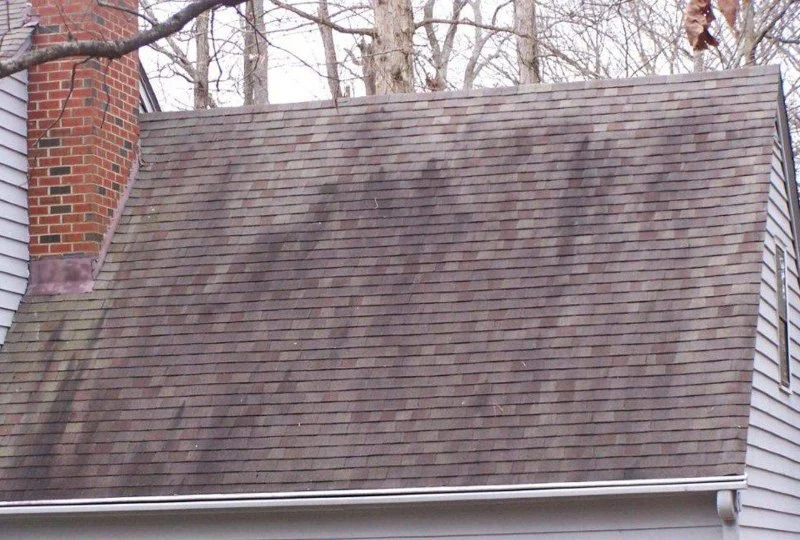
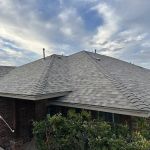
Black streaks on your roof or siding may seem like a minor issue, but they can be a sign of underlying problems. These dark streaks are usually caused by algae or mold growth, and while they may look unappealing, they can also affect the longevity and performance of your roofing materials. It's important to understand the cause of these streaks in order to properly address them and prevent further damage to your home.
In many cases, the black streaks you see on your roof or siding are the result of Gloeocapsa magma, a type of algae that thrives on moisture. This algae feeds on the limestone content found in some roofing materials, particularly asphalt shingles. While not harmful to your roof structurally, these streaks can decrease your home's curb appeal and may eventually contribute to long-term damage if left untreated.
2. Common Causes of Black Streaks on Roofs and Siding
There are several causes of black streaks on your roof and siding. Understanding these causes will help you choose the best treatment and preventive measures.
- Algae Growth: The most common cause, as mentioned, is algae, particularly Gloeocapsa magma. This organism thrives in damp, shaded areas and is typically spread by the wind.
- Mold and Mildew: Similar to algae, mold and mildew can grow in areas with poor ventilation and excess moisture. These organisms can stain the surface and create unsightly marks.
- Pollution: Airborne pollutants, including soot and industrial chemicals, can settle on your roof, leading to black streaks over time. This is more common in urban areas with high pollution levels.
- Improper Ventilation: Poor attic ventilation can trap moisture under the roof, creating an environment conducive to algae, mold, and mildew growth.
While algae and mold are the most common causes, pollution and ventilation issues are also worth investigating if you're seeing black streaks on your roof or siding.
3. How to Remove Black Streaks from Roofs and Siding
If you notice black streaks on your roof or siding, there are several methods you can use to clean them. Here's how to remove black streaks effectively:
- Use a Roof Cleaner: Specialized roof cleaners are available that can effectively eliminate algae, mold, and mildew from your roof. These cleaners typically contain bleach or oxygenated cleaning agents.
- Pressure Washing: A pressure washer can be used on siding and certain roofing materials to remove algae and dirt. Be careful with pressure washing on shingles, as high pressure can damage the roofing materials.
- DIY Cleaning Solution: A simple mixture of water and bleach (3 parts water to 1 part bleach) can be sprayed onto the affected areas. Let it sit for 10–15 minutes before gently scrubbing with a soft brush to remove the streaks.
- Hire a Professional: If you're unsure about cleaning your roof yourself or want to avoid damaging your roof, consider hiring a professional roofing service to handle the cleaning safely.
Regardless of the method you choose, it’s important to act quickly. If algae or mold is left untreated for too long, it can cause long-term damage to your roofing materials.
4. Tips for Preventing Black Streaks from Reappearing
Once you've removed the black streaks, it's important to take steps to prevent them from coming back. Here are some prevention tips:
- Install Zinc or Copper Strips: Installing strips of zinc or copper along the roof's ridge can help prevent algae growth. As rainwater washes over the strips, it will carry small amounts of copper or zinc down the roof, which inhibits algae and mold growth.
- Maintain Proper Ventilation: Ensure that your attic and roof are properly ventilated to reduce moisture buildup, which encourages the growth of algae and mold.
- Regular Roof Inspections: Schedule regular roof inspections to identify any issues with moisture, ventilation, or roofing materials that could lead to algae or mold growth.
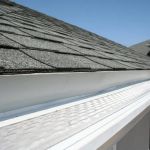
- Clean Gutters Regularly: Clogged gutters can contribute to water damage and moisture buildup on the roof. Regular gutter cleaning can prevent excess water from accumulating on your roof.
By taking these preventive measures, you can significantly reduce the chances of black streaks reappearing on your roof or siding.
5. When to Call a Professional Roofing Service
While removing black streaks can often be done by homeowners, there are times when it's best to call in a professional roofing service. If you're dealing with extensive algae or mold growth, damaged shingles, or unsure about how to safely clean your roof, it’s a good idea to seek expert help.
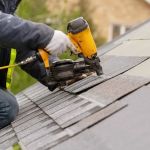
A professional roofer will have the right tools and experience to clean your roof properly without causing damage. Additionally, they can inspect your roof for any signs of wear or deterioration and recommend necessary repairs or maintenance to prolong the life of your roof.
For those in need of roofing services, consider reaching out to Total Roofing Hub for expert advice and professional roof cleaning and maintenance services.
 Roof Sharks5.0 (17 reviews)
 Stephen Lewis Barrett Contracting5.0 (29 reviews)
 Spring Branch Roofing4.0 (13 reviews)
 Quick Start Roofing LLC5.0 (12 reviews)
 V. Guinta & Son Roofing - Long Island Roofers4.0 (20 reviews)
 Roofer & Remodeling5.0 (23 reviews)
 Siding Repair Cost Breakdown: Vinyl, Wood, Fiber Cement
 How Long Do Asphalt Shingles Last? Learn About Their Lifespan
 What Local Building Codes Say About Roof Replacement
 The Average Lifespan of Asphalt Shingle Roofs
 Top 10 Signs Your Roof Needs Immediate Repair
 Top 10 Signs Your Roof Needs Immediate Repair – Expert Roofing Tips