What Local Building Codes Say About Roof Replacement
- Why Building Codes Matter in Roof Replacement
- Permits and Inspections for Roofing
- Key Roofing Code Requirements
- Common Mistakes and Consequences
- Real-World Examples of Code Issues
- How Total Roofing Hub Can Help You
1. Why Building Codes Matter in Roof Replacement
Local building codes are designed to ensure that roof replacement projects meet safety, energy efficiency, and structural standards. These codes protect homeowners, contractors, and communities by setting minimum requirements for how roofs should be installed. Compliance is not optional—ignoring building codes can lead to fines, failed inspections, and even the forced removal of non-compliant roofing work.
Understanding local regulations is critical before starting any roofing project. While national standards like the International Residential Code (IRC) provide a foundation, local governments often add their own rules based on weather conditions, housing density, and regional risks such as hurricanes, heavy snow, or wildfires.
H W Wilson Roofing Company
MiddletownDauphin CountyPennsylvania
2161 N Union St, Middletown, PA 17057, USA
2. Permits and Inspections for Roofing
Most localities require a building permit before a roof replacement can begin. This ensures the work will be reviewed and inspected at different stages of the project. The permit process often includes an initial application, fee payment, and approval from the city or county building department.
2.1 Why Permits Are Important
Permits not only keep you in compliance with the law but also ensure your roof is covered by homeowner’s insurance. If you replace a roof without a permit and later file an insurance claim, you may find your coverage denied due to non-compliance.
2.2 Roofing Inspections
Inspections typically occur both before and after the roof replacement. Inspectors check structural integrity, ventilation, fire safety, and adherence to energy efficiency standards. Passing the final inspection means your roof is officially code-compliant, giving you peace of mind and protecting your investment.
3. Key Roofing Code Requirements
Local building codes can vary, but certain roofing requirements appear consistently across the U.S. Understanding these elements will help you prepare for a compliant roof replacement project.
3.1 Materials and Fire Ratings
Codes often specify which materials are allowed based on fire resistance, wind ratings, and durability. For example, areas prone to wildfires may require Class A fire-rated shingles, while hurricane-prone regions require shingles that can withstand high wind speeds.
3.2 Roof Pitch and Weight
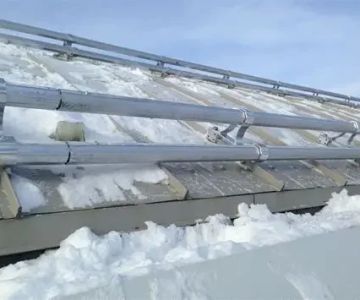
Building codes regulate the pitch (slope) of a roof and the maximum weight it can carry. This ensures that snow loads, rainwater drainage, and structural stress are safely managed.
3.3 Ventilation and Energy Efficiency
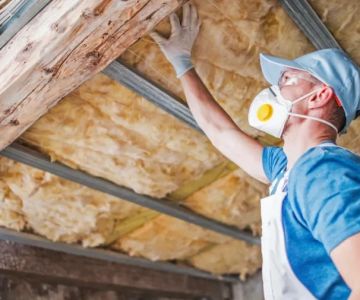
Proper attic ventilation and insulation are often mandatory in building codes. These requirements help prevent mold growth, ice dams, and excessive energy costs. Many states also follow energy efficiency codes that dictate the R-value of insulation beneath the roof.
3.4 Layering Restrictions
Some codes restrict how many layers of shingles can be installed. For example, many localities allow no more than two layers before a complete tear-off is required. This prevents excessive weight on the structure and ensures the roof’s longevity.
4. Common Mistakes and Consequences
One of the most common mistakes homeowners make is skipping the permit process to save time or money. This shortcut often leads to serious consequences, such as fines or failed home inspections when selling the property. Another mistake is hiring contractors unfamiliar with local codes, resulting in non-compliant work that must be redone at the homeowner’s expense.
Failing to comply with building codes can also leave you vulnerable during natural disasters. Roofs not built to code are more likely to fail in storms, creating additional damage and repair costs.
5. Real-World Examples of Code Issues
In Florida, after Hurricane Andrew in 1992, thousands of roofs failed due to poor installation and outdated codes. This disaster led to sweeping changes in building regulations, requiring stronger fasteners, hurricane straps, and higher wind ratings for roofing materials. Homeowners who had non-compliant roofs were hit with catastrophic losses.
Another case occurred in snowy regions of the Midwest, where roof collapses prompted stricter codes about snow load capacity. Homeowners who ignored code requirements found themselves liable for structural damage that could have been avoided with proper compliance.
6. How Total Roofing Hub Can Help You
Navigating local building codes can feel overwhelming, especially when rules vary from one city to the next. At Total Roofing Hub, we connect you with trusted roofing professionals who understand your local regulations and can ensure your roof replacement meets every code requirement. From permit applications to final inspections, our network ensures your project is handled with expertise and compliance.
Visit Total Roofing Hub today to explore roofing services, products, and expert advice tailored to your area. A code-compliant roof not only protects your home but also safeguards your investment for years to come.
 Marc Joseph remodeling5.0 (1 reviews)
 PRS Roofing Inc5.0 (9 reviews)
 KAPS CONSTRUCTION4.0 (5 reviews)
 Marshall Exteriors, LLC4.0 (213 reviews)
 S.W.A.T. Roofing & Consulting4.0 (46 reviews)
 MATFI RENOVATIONS LLC5.0 (23 reviews)
 Siding Material Fire Ratings: What’s Required & What to Choose
 Roof Talk: Common Terminology Every Homeowner Should Know
 How Often Should You Replace Your Home's Siding? Expert Tips on Siding Longevity
 The Average Lifespan of Asphalt Shingle Roofs: How Long Do They Last?
 How to Choose a Reliable Roofing Contractor Near You | Top Tips and Questions
 Should I Repair or Replace My Roof? – Expert Guide for U.S. Homeowners