- Why Choose Low-Maintenance Roofs?
- Top Roofing Materials for Low-Maintenance Homes
- Pros and Cons of Different Roofing Materials
- Additional Tips for Maintaining Your Roof
- How to Choose the Right Roof for Your Home
Why Choose Low-Maintenance Roofs?
When choosing roofing materials for your home, the level of maintenance required is an important factor to consider. Low-maintenance roofs are ideal for homeowners who want to reduce the time and effort spent on upkeep. These roofs offer durability, reliability, and ease of care, allowing homeowners to enjoy peace of mind without frequent repairs or cleaning.
Low-maintenance roofs not only save time but can also save money over the long term. By selecting the right materials, you can avoid costly repairs and replacements, making it a smart investment for the future. In this guide, we’ll explore the best roofing options for low-maintenance homes and share tips on how to keep your roof in excellent condition.
Top Roofing Materials for Low-Maintenance Homes
There are several roofing materials that are perfect for low-maintenance homes. Each material comes with its own set of benefits, and understanding these options can help you make the best decision for your home. Below are the most popular low-maintenance roofing materials:
Home Renew 360 Roofing I Construction I Energy
Long BeachLos Angeles CountyCalifornia
1500 W Carson St Suite 201, Long Beach, CA 90810, USA
1. Metal Roofing
Metal roofing is one of the most durable and low-maintenance options available. Made from materials like aluminum, steel, or copper, metal roofs are highly resistant to harsh weather conditions, including heavy rain, snow, and wind. They are also fire-resistant and energy-efficient, helping to lower cooling costs in the summer.
Metal roofs require very little maintenance—just occasional inspections to check for damage or debris. Additionally, they have a long lifespan, often lasting 40-70 years depending on the material used.
2. Asphalt Shingles
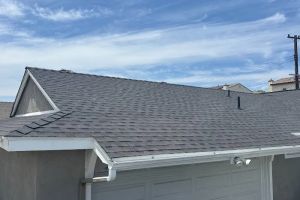
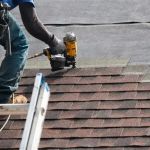
Asphalt shingles are one of the most common roofing materials due to their affordability and ease of installation. While they do require occasional cleaning to prevent moss or algae buildup, they generally require less maintenance compared to other materials. High-quality asphalt shingles can also last for 20-30 years with proper care.
Modern asphalt shingles are designed to be more durable, with some versions offering resistance to wind, fire, and algae. This makes them a great choice for those looking for a low-maintenance and budget-friendly option.
3. Synthetic Roofing
Synthetic roofing materials are made from rubber, plastic, or polymer blends and are designed to mimic the appearance of traditional materials like wood or slate. They offer a combination of durability and low-maintenance care, making them a great option for homeowners seeking an easy-to-maintain roof that still looks stylish.
Synthetic roofs are lightweight, resistant to fading, and can withstand extreme weather conditions. Additionally, they are more affordable than natural materials like slate or cedar, making them a cost-effective option with long-term benefits.
4. Tile Roofing
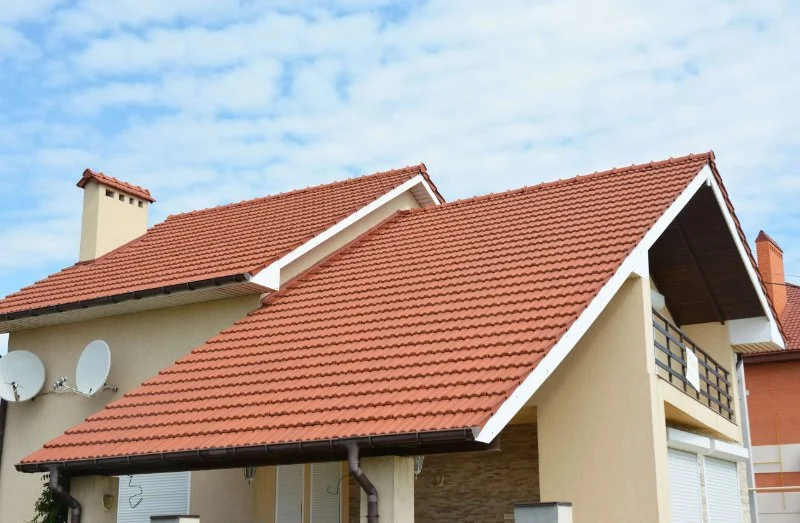
Tile roofs, including clay and concrete tiles, are known for their longevity and low-maintenance nature. They are highly resistant to fire, insects, and rot, and they require very little upkeep compared to other roofing materials. Tile roofs can last 50-100 years with proper installation and care.
Although tile roofs are heavier and may require additional structural support, they are an excellent option for homes in areas with high temperatures or coastal regions where durability is key.
Pros and Cons of Different Roofing Materials
Each roofing material comes with its unique advantages and drawbacks. Understanding the pros and cons of each option will help you choose the best roofing material for your needs.
Metal Roofing: Pros and Cons
Pros: Durable, fire-resistant, energy-efficient, long lifespan (40-70 years), minimal maintenance.
Cons: Higher initial cost, may dent from heavy impacts, and can be noisy during rain or hailstorms.
Asphalt Shingles: Pros and Cons
Pros: Affordable, widely available, easy to install, good performance in moderate climates.
Cons: Shorter lifespan (15-30 years), susceptible to algae growth and moss buildup, may need frequent repairs after extreme weather events.
Synthetic Roofing: Pros and Cons
Pros: Lightweight, mimics natural materials, low-maintenance, resistant to fading, fire, and weather conditions.
Cons: Can be more expensive than asphalt shingles, and some synthetic materials may not be as durable as metal or tile.
Tile Roofing: Pros and Cons
Pros: Long-lasting (50-100 years), fire-resistant, low maintenance, aesthetically appealing.
Cons: High upfront cost, requires additional structural support, and can be fragile (tiles may crack under heavy impact).
Additional Tips for Maintaining Your Roof
Even the most low-maintenance roofs need occasional care. Here are some tips to keep your roof in top condition:
1. Regular Inspections
Inspect your roof at least once a year to look for any signs of damage or wear. It’s especially important to check for any loose shingles, cracks, or debris buildup after severe weather events. Early detection can help prevent costly repairs down the line.
2. Keep the Gutters Clean
Clogged gutters can cause water to back up, leading to roof leaks and other damage. Ensure your gutters are free from leaves and debris, especially during the fall and spring months when the accumulation is highest.
3. Remove Debris Regularly
Keep your roof free from branches, leaves, and other debris. These materials can trap moisture and cause deterioration over time, especially on materials like asphalt shingles.
How to Choose the Right Roof for Your Home
Choosing the right roofing material depends on a variety of factors, including your budget, the climate in your area, and the style of your home. Consider the following when making your decision:
- Budget: Some materials, like metal and tile, may be more expensive upfront but offer long-term savings due to their durability. Others, like asphalt shingles, may be more budget-friendly but require more frequent maintenance.
- Climate: Choose a roofing material that can withstand the weather conditions in your area. For example, metal roofs are great for areas with heavy rainfall or snow, while tile roofs are ideal for hot climates.
- Home Style: The aesthetic of your home can also influence your decision. Some materials, like synthetic roofing, offer a wide range of styles to match different home designs.
By considering these factors and understanding the advantages of each material, you can choose the best roof for your low-maintenance home. For more information on roofing materials and expert advice, visit Total Roofing Hub to find the perfect solutions for your needs.
 Marc Joseph remodeling5.0 (1 reviews)
 PRS Roofing Inc5.0 (9 reviews)
 KAPS CONSTRUCTION4.0 (5 reviews)
 Marshall Exteriors, LLC4.0 (213 reviews)
 S.W.A.T. Roofing & Consulting4.0 (46 reviews)
 MATFI RENOVATIONS LLC5.0 (23 reviews)
 Siding Material Fire Ratings: What’s Required & What to Choose
 Roof Talk: Common Terminology Every Homeowner Should Know
 How Often Should You Replace Your Home's Siding? Expert Tips on Siding Longevity
 The Average Lifespan of Asphalt Shingle Roofs: How Long Do They Last?
 How to Choose a Reliable Roofing Contractor Near You | Top Tips and Questions
 Should I Repair or Replace My Roof? – Expert Guide for U.S. Homeowners