
- 1. Introduction: Understanding the Impact of Severe Weather on Roofs
- 2. Types of Severe Weather That Affect Roofing
- 3. How Different Roofing Materials Respond to Severe Weather
- 4. Tips for Maintaining Your Roof in Severe Weather Conditions
- 5. When to Replace Your Roof Due to Weather Damage
1. Introduction: Understanding the Impact of Severe Weather on Roofs
A well-maintained roof is crucial in protecting your home, but severe weather can drastically shorten the lifespan of your roofing materials. The constant exposure to rain, snow, high winds, and extreme temperatures can cause a range of issues, from minor leaks to major structural damage. Understanding how these weather conditions affect your roof is essential for homeowners to ensure their roofs remain functional and to prevent costly repairs or replacements down the line.
In this article, we’ll explore how different types of severe weather impact the lifespan of roofing materials, provide tips for maintaining your roof, and discuss when it might be time for a roof replacement due to weather-related damage. Let’s dive into the factors that contribute to roof deterioration and what homeowners can do to protect their roofs.

Alpha Windows & Siding
Los AngelesLos Angeles CountyCalifornia
1410 Abbot Kinney Blvd #276, Venice, CA 90291, USA
2. Types of Severe Weather That Affect Roofing
Several weather conditions can contribute to the wear and tear of your roof. Understanding these different types of weather and their effects is the first step in protecting your roofing system:
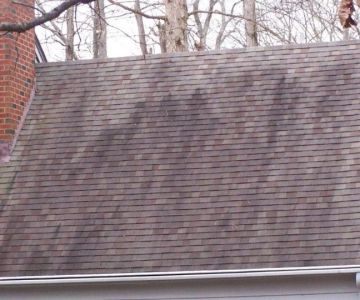
- Heavy Rain: Excessive rainfall can lead to water pooling on your roof, potentially causing leaks, rotting of wooden shingles, and the growth of mold and mildew.
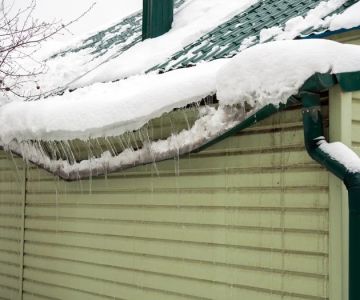
- Snow and Ice: Accumulation of snow can put additional weight on your roof, which may cause structural issues, especially if there are already existing weaknesses. Ice dams can also form, causing water to back up under shingles and seep into your home.
- High Winds: Strong winds can tear off shingles, lift roofing materials, and damage flashings, all of which compromise your roof’s ability to protect your home from the elements.
- Extreme Temperatures: Constant exposure to intense heat and cold can cause roofing materials to expand and contract, leading to cracks, warping, and potential loss of durability.
3. How Different Roofing Materials Respond to Severe Weather
Different roofing materials react to severe weather in various ways. Some materials are more resilient to specific weather conditions, while others may require more frequent maintenance. Here's a breakdown of how common roofing materials perform in harsh weather:
- Asphalt Shingles: Asphalt shingles are a popular roofing material due to their affordability, but they can be vulnerable to high winds, heavy rain, and extreme heat. Over time, they may crack or curl, especially after exposure to prolonged sun or harsh storms.
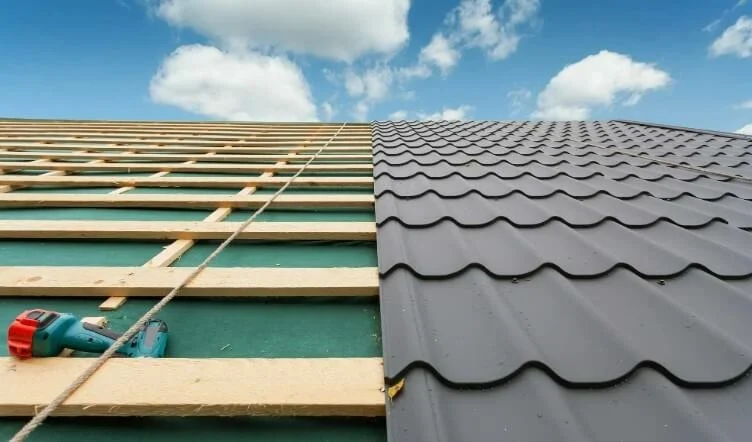
- Metal Roofing: Metal roofs are known for their durability in extreme weather. They are resistant to wind, snow, and rain, and can withstand high temperatures without warping. However, they can be noisy during rain or hail, and snow accumulation may pose a risk.
- Wooden Shingles: Wooden shingles are aesthetically pleasing but are more susceptible to water damage and rot. Heavy rainfall and humidity can cause the wood to swell, warp, or mold, shortening the lifespan of the roof.
- Tile Roofing: Tile roofs are highly durable and can withstand high winds and extreme temperatures. However, they can be brittle, making them susceptible to damage from falling debris or heavy snow.
4. Tips for Maintaining Your Roof in Severe Weather Conditions
Regular roof maintenance is crucial for prolonging the lifespan of your roof, especially when you live in an area that frequently experiences severe weather. Here are some essential maintenance tips to keep your roof in top shape:
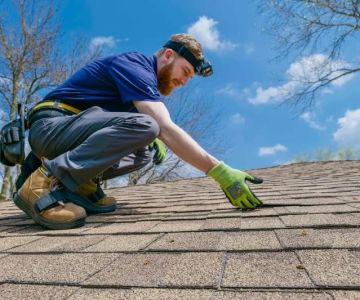
- Inspect Your Roof Regularly: Schedule regular roof inspections, particularly after major storms, to check for damage such as missing shingles, cracked tiles, or leaks. Catching issues early can prevent more extensive damage.
- Clear Gutters and Downspouts: Blocked gutters can lead to water backup, which can cause roof damage. Make sure your gutters are clear of debris and properly draining to prevent water from pooling on your roof.
- Trim Overhanging Trees: Overhanging branches can scrape and damage your roof during storms. Keep trees well-trimmed to minimize the risk of damage from falling limbs during high winds or heavy snow.
- Consider Roof Coatings: Applying a roof coating can help protect your roof from water damage and UV rays, extending its lifespan, especially in areas with high heat or intense sun.
5. When to Replace Your Roof Due to Weather Damage
Sometimes, no matter how well you maintain your roof, the damage from severe weather can be so extensive that replacement becomes the only option. Here are signs that it might be time to replace your roof:
- Frequent Leaks: If your roof experiences frequent leaks, especially after storms, it may indicate that the roofing material has deteriorated beyond repair.
- Visible Damage: If your roof has missing or damaged shingles, cracked tiles, or any noticeable gaps, these issues can compromise the integrity of your roof and your home’s protection.
- Excessive Granule Loss: Asphalt shingles tend to lose granules over time. If you notice an excessive amount of granules in your gutters, it’s a sign that your shingles are nearing the end of their lifespan.
- Age of Roof: If your roof is approaching or has exceeded its expected lifespan (typically 20-25 years for asphalt shingles), it may be time to replace it, especially if it's been subjected to severe weather.
If you're concerned about your roof’s condition or need advice on repairs or replacements, reach out to us at [Total Roofing Hub](#), where we offer expert guidance and services to help you protect your home from the elements.
 White Aluminum & Windows3.0 (118 reviews)
 G.D. Fuller Roofing Inc1.0 (2 reviews)
 Randy Wilson Painting4.0 (198 reviews)
 Morton Buildings, Inc.4.0 (8 reviews)
 CertaPro Painters of East San Diego/Poway4.0 (80 reviews)
 First Colony Roofing, Siding and Remodeling4.0 (8 reviews)
 How to Choose a Reliable Roofing Contractor Near You | Expert Tips
 How to Budget for a Roof Replacement Project
 How to Retrofit Older Homes with Modern Roofing / Siding Materials
 How to Replace Roof Felt or Underlayment Yourself (with Caution)
 Should I Repair or Replace My Roof?
 How to Budget for a Roof Replacement Project – Cost and Financing Tips