
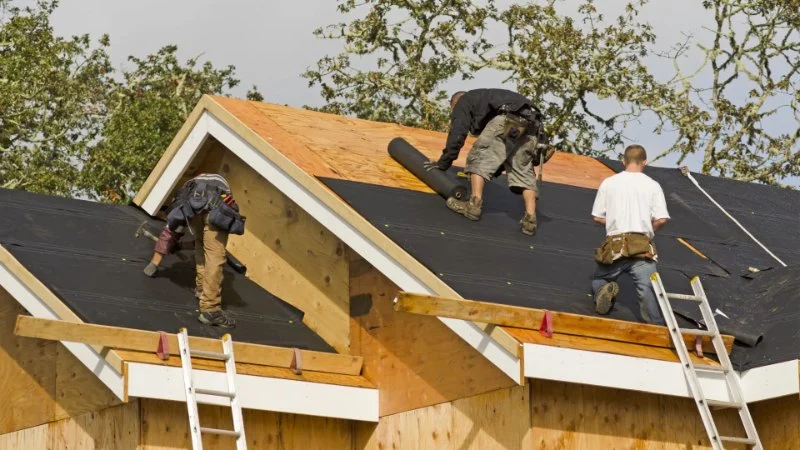
How to Replace Roof Felt or Underlayment Yourself (with Caution)
- 1 - Understanding Roof Felt and Underlayment
- 2 - Tools You’ll Need for the Job
- 3 - Step-by-Step Guide for Replacing Roof Felt
- 4 - Common Mistakes to Avoid
- 5 - When to Call a Professional
1 - Understanding Roof Felt and Underlayment
Roof felt or underlayment is a critical component of a roofing system. It serves as a protective barrier between the roof deck and the shingles. This material provides additional waterproofing, helps prevent leaks, and can also offer insulation benefits. There are two main types: asphalt-saturated felt and synthetic underlayment. Knowing which material is right for your roof is essential before you start the replacement process.

Bartlett Brainard Products Co.
West HartfordCapitol Planning RegionConnecticut
75 Talcott Rd, West Hartford, CT 06110, USA
1.1 Why Is Roof Felt Important?
Roof felt helps to shield the wooden deck of your roof from moisture and debris. It adds another layer of protection, ensuring the roof remains secure during heavy rain or snow. Without proper underlayment, your roof could be prone to faster wear and tear, and you could face higher repair costs down the road.

2 - Tools You’ll Need for the Job
Replacing roof felt can be a manageable DIY task if you have the right tools. Here’s a list of tools you’ll need:
- Roofing Hammer
- Utility Knife
- Roofing Nails
- Stapler (for synthetic underlayment)
- Ladder
- Measuring Tape
- Gloves and Safety Gear
Before starting, ensure your ladder is sturdy, and you have access to the roof safely. The right safety precautions are essential to avoid injuries while on the roof.
3 - Step-by-Step Guide for Replacing Roof Felt
Replacing roof felt isn’t an overly complicated process, but it does require some planning. Here’s a breakdown of the steps:
3.1 Step 1: Remove the Old Roof Felt
Begin by removing the old felt or underlayment from your roof. Use a utility knife to cut the material into manageable sections. Be cautious not to damage the underlying roof deck. Dispose of the old material properly once it’s removed.
3.2 Step 2: Inspect the Roof Deck
Before applying new felt, inspect the roof deck for any signs of damage, such as rot or mold. If there’s any damage, it’s crucial to address it before proceeding to prevent further issues.
3.3 Step 3: Lay the New Underlayment
Once the deck is clear, unroll the new felt or underlayment onto the roof. Overlap the material by several inches to ensure water runs off properly. If you're using asphalt-saturated felt, be sure to nail or staple it down securely. For synthetic underlayment, a stapler will usually be the best tool for the job.
3.4 Step 4: Secure the Edges
Once the felt is in place, nail down the edges and seams to ensure the material stays in place during high winds. Check that there are no wrinkles or air pockets, as these can cause leaks in the future.
4 - Common Mistakes to Avoid
Here are some common mistakes that DIYers make when replacing roof felt, and how to avoid them:
- Skipping the Inspection: Always inspect the roof deck before applying new felt. You could be covering up potential issues.
- Incorrect Overlap: Be sure to overlap each row of underlayment properly. Failure to do so can allow water to seep in under the shingles.
- Rushing the Process: Take your time to ensure every layer is laid out smoothly and securely. Rushing could lead to mistakes that require costly repairs later.
5 - When to Call a Professional
While replacing roof felt is a task many homeowners can do on their own, there are situations where it’s better to hire a professional:
5.1 Extensive Roof Damage
If your roof deck is severely damaged, or there’s mold or rot present, it’s time to call in an expert. These issues require professional assessment and repair.
5.2 Complex Roof Designs
If your roof has multiple peaks, valleys, or a very steep slope, the job may be more complicated than expected. A roofing professional has the experience and equipment to handle these challenges safely and efficiently.
For your next roofing project, whether it’s replacing underlayment or choosing the right roofing materials, visit Total Roofing Hub for expert advice, quality products, and everything you need for a successful roof replacement.
 Marc Joseph remodeling5.0 (1 reviews)
 PRS Roofing Inc5.0 (9 reviews)
 KAPS CONSTRUCTION4.0 (5 reviews)
 Marshall Exteriors, LLC4.0 (213 reviews)
 S.W.A.T. Roofing & Consulting4.0 (46 reviews)
 MATFI RENOVATIONS LLC5.0 (23 reviews)
 Siding Material Fire Ratings: What’s Required & What to Choose
 Roof Talk: Common Terminology Every Homeowner Should Know
 How Often Should You Replace Your Home's Siding? Expert Tips on Siding Longevity
 The Average Lifespan of Asphalt Shingle Roofs: How Long Do They Last?
 How to Choose a Reliable Roofing Contractor Near You | Top Tips and Questions
 Should I Repair or Replace My Roof? – Expert Guide for U.S. Homeowners