- 1 - The Importance of Roof Underlayment
- 2 - Synthetic Roof Underlayment
- 3 - Peel-and-Stick Roof Underlayment
- 4 - Ice Shield Roof Underlayment
- 5 - Choosing the Right Underlayment for Your Roof
- 6 - Case Study: Roof Underlayment Upgrade Success Story
- 7 - Recommendations from Total Roofing Hub
1. The Importance of Roof Underlayment
Roof underlayment is a critical component of your roofing system, acting as a protective barrier between your roof deck and shingles. It helps protect against moisture, wind, and other elements that can compromise the roof's integrity. Choosing the right type of underlayment can significantly enhance the durability and performance of your roof.
While traditional asphalt felt underlayment has been commonly used for years, new technologies have introduced more advanced materials like synthetic underlayment, peel-and-stick, and ice shield options. These upgrades provide added protection and longevity, making them an ideal choice for homeowners looking to improve their roof's performance.
Build Pros Construction
TorranceLos Angeles CountyCalifornia
4025 Spencer St # 104, Torrance, CA 90503, USA
2. Synthetic Roof Underlayment
Synthetic underlayment is a modern alternative to traditional felt. Made from durable materials like polyethylene or polypropylene, synthetic underlayment is lightweight, tear-resistant, and highly waterproof. These characteristics make it a preferred choice for homeowners and roofing professionals alike.
One of the main benefits of synthetic underlayment is its superior protection against water damage. Unlike felt underlayment, which can absorb moisture and break down over time, synthetic options remain intact and continue to provide a waterproof barrier throughout the lifespan of the roof.
Additionally, synthetic underlayment is more durable, resists UV damage, and is easier to install due to its lighter weight and more flexible nature. This upgrade offers excellent long-term protection and enhances the roof’s overall performance.
3. Peel-and-Stick Roof Underlayment
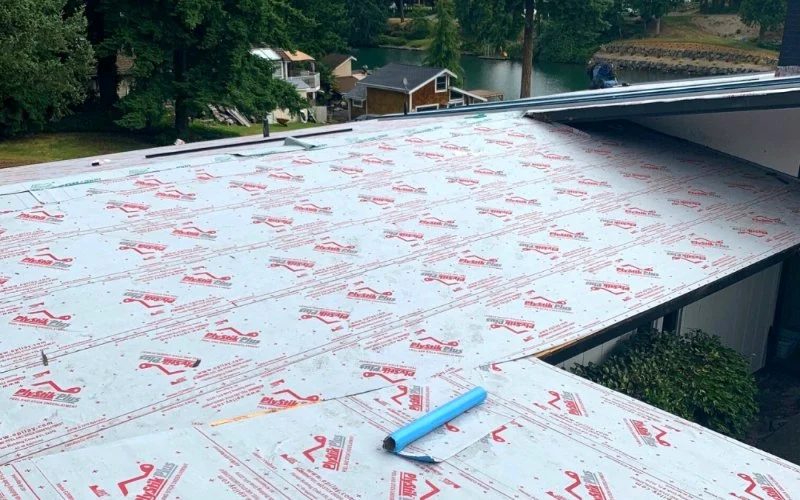
Peel-and-stick underlayment is another advanced roofing option that is gaining popularity. This type of underlayment features a self-adhesive backing, which sticks directly to the roof deck during installation. This eliminates the need for fasteners, which can weaken the roofing system over time.
The main advantage of peel-and-stick underlayment is its ability to form a seamless, watertight barrier. This is particularly beneficial in areas where water infiltration is a concern, such as valleys, eaves, and skylights. The adhesive layer ensures that water cannot seep under the underlayment, providing an added layer of protection against leaks.
Additionally, peel-and-stick underlayment is incredibly easy to install and requires less labor compared to traditional methods. It's also highly resistant to UV rays and extreme weather conditions, making it a durable option for both residential and commercial roofing projects.
4. Ice Shield Roof Underlayment
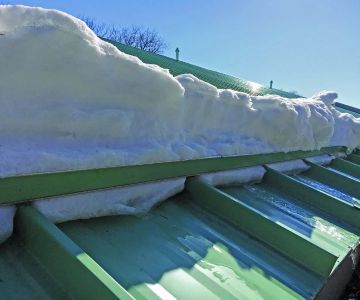
Ice shield underlayment is specifically designed to protect your roof from ice dams, which are a common issue in colder climates. Ice dams form when melting snow refreezes at the roof’s edge, causing water to back up under the shingles and potentially leak into the home.
Ice shield underlayment is typically made of rubberized asphalt, which provides excellent resistance to water and ice. It adheres directly to the roof deck, forming a waterproof seal that prevents water from infiltrating the roof. This type of underlayment is particularly valuable for homeowners in areas with freezing temperatures or frequent snow.
Installing ice shield underlayment along the eaves and valleys of the roof can help prevent costly water damage and protect the roof’s structural integrity. It is often used in combination with other types of underlayment for comprehensive protection against the elements.
5. Choosing the Right Underlayment for Your Roof
When selecting an underlayment for your roof, there are several factors to consider, including the climate, roofing materials, and your home’s specific needs. Each type of underlayment offers unique advantages:
5.1 Climate Considerations
If you live in an area prone to heavy rainfall or snow, ice shield or synthetic underlayment may be the best option for maximum water resistance. On the other hand, if your roof experiences high heat or UV exposure, synthetic underlayment may provide better protection against sun damage.
5.2 Durability and Longevity
Synthetic and peel-and-stick underlayment options tend to outperform traditional felt in terms of durability and longevity. Consider your budget and long-term goals when choosing the best material for your roof’s underlayment.
5.3 Installation and Maintenance
Peel-and-stick underlayment offers an easy installation process, while synthetic options can be lightweight and easier to handle than felt. Make sure to consider the installation requirements and the long-term maintenance needs of the materials you choose.
6. Case Study: Roof Underlayment Upgrade Success Story
A homeowner in the Northeast recently decided to upgrade their roof with a synthetic underlayment and ice shield after experiencing frequent leaks during the winter months. The home had an older roof, and after years of wear and tear, the underlayment was no longer providing adequate protection.
After consulting with a professional roofer, the homeowner chose synthetic underlayment for its superior waterproofing and UV resistance, along with ice shield underlayment along the eaves. The result was a significant improvement in roof performance, with no more leaks and better overall protection against the elements.
7. Recommendations from Total Roofing Hub
At Total Roofing Hub, we offer a wide range of high-quality roof underlayment options, including synthetic, peel-and-stick, and ice shield underlayment, to help ensure your roof is protected for the long term. Our roofing experts can guide you in choosing the best underlayment for your roof and climate conditions.
For more information on roof underlayment upgrades and to find the best products and services, visit Total Roofing Hub today. Let us help you keep your roof in top condition!

 Proven Contracting of Randolph NJ5.0 (43 reviews)
 Miguel Multiservices5.0 (1 reviews)
 Top Notch Remodeling5.0 (2 reviews)
 Thomas James Roofing and Waterproofing4.0 (54 reviews)
 Cannon Roofing0.0 (0 reviews)
 E&V CONTRACTING LLC (Elijah Home Improvement)4.0 (29 reviews)
 How Long Do Asphalt Shingles Last? Learn About Their Lifespan
 Best Practices for Matching Roof Shingles with Siding Colors for a Cohesive Look
 The Environmental Benefits of a Cool Roof: Why You Should Consider Installing One
 How to Budget for a Roof Replacement Project | Expert Tips
 Top 10 Signs Your Roof Needs Immediate Repair Before It’s Too Late
 How to Spot Hail Damage on Your Roof