What Homeowners Should Know About Roofing Nails & Fasteners
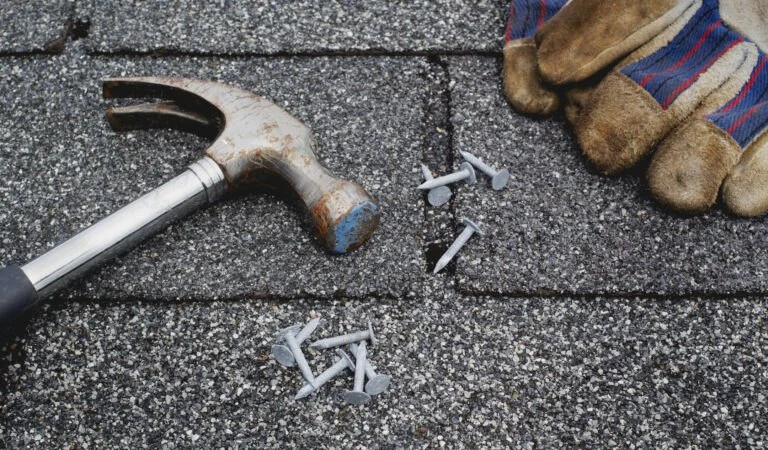
When it comes to roof installation or repairs, the importance of roofing nails and fasteners often goes overlooked. However, these small yet critical components play a vital role in ensuring the durability and longevity of your roof. Understanding the types of nails and fasteners best suited for your roofing project can help homeowners avoid costly mistakes and ensure a sturdy and secure roof. This guide covers everything you need to know about roofing nails and fasteners for maximum protection and efficiency.
- 1. The Role of Roofing Nails and Fasteners
- 2. Types of Roofing Nails and Their Uses
- 3. How to Choose the Right Roofing Nails for Your Roof
- 4. Common Mistakes When Using Roofing Nails and Fasteners
- 5. Tips for Installing Roofing Nails and Fasteners Correctly
1. The Role of Roofing Nails and Fasteners
Roofing nails and fasteners hold roofing materials securely in place, preventing them from being displaced by wind, rain, or other elements. Properly installed fasteners ensure that shingles, tiles, or other roofing materials remain intact and function effectively for many years. Without the correct fasteners, the roof’s integrity can be compromised, leading to leaks, water damage, and costly repairs.
Here are some key functions of roofing nails and fasteners:
- Secure Attachment: Nails and fasteners hold roofing materials firmly to the underlying structure, preventing them from coming loose over time.
- Weather Resistance: Roofing nails need to be able to withstand harsh weather conditions, such as high winds and heavy rain.
- Durability: The fasteners should have corrosion-resistant properties to ensure they last as long as the roof itself.
2. Types of Roofing Nails and Their Uses
There are several types of roofing nails and fasteners, each designed for specific roofing applications. Here’s a rundown of the most common types:
- Steel Roofing Nails: These are the most common type of nails used in asphalt shingle installation. They are strong and durable but should have a corrosion-resistant coating to prevent rusting.
- Aluminum Nails: Often used for metal roofing, aluminum nails are lightweight, corrosion-resistant, and ideal for areas with high moisture.
- Galvanized Roofing Nails: Galvanized nails are coated with zinc to protect them from rust and corrosion, making them ideal for areas with extreme weather.
- Plastic Cap Nails: These nails feature a plastic cap that covers the nail head, providing an additional layer of protection for shingles and other roofing materials.
- Roofing Clips: These fasteners are commonly used for tile roofs and metal roofs. They secure the roofing materials while allowing for natural expansion and contraction of the materials.
3. How to Choose the Right Roofing Nails for Your Roof
Selecting the appropriate roofing nails and fasteners for your roof is crucial to ensuring a long-lasting, stable roof. Here’s what to consider:
- Material Compatibility: Make sure to choose nails and fasteners that are compatible with the type of roofing material you are using (e.g., shingles, metal, tiles).
- Size and Length: Roofing nails should be long enough to penetrate the decking but not too long that they risk damaging the underlying structure. Typically, nails should be at least 1 to 1.5 inches long.
- Coating: The coating of the nails is essential for corrosion resistance. Galvanized or stainless steel nails are a good choice for areas with high humidity or coastal regions.
- Climate and Environment: Consider your region's climate when choosing nails. For areas with heavy winds, look for stronger fasteners to keep the roof secure during storms.
4. Common Mistakes When Using Roofing Nails and Fasteners
Using the wrong nails or improperly installing them can result in a failed roofing system. Here are some common mistakes to avoid:
- Using Nails that Are Too Short: Nails that are too short won’t properly secure the roofing materials, leaving the roof vulnerable to damage.
- Improper Placement: Nails should be driven straight into the roofing material, not at an angle. Angled nails can lead to leaks or shingle movement over time.
- Overdriving Nails: Overdriving nails can damage the roofing material and cause leaks. Nails should be flush with the surface but not embedded too deeply.
- Using Non-Corrosion Resistant Nails: Non-corrosion-resistant nails can rust over time, compromising the roof’s integrity. Always choose nails with a protective coating, especially for areas with harsh weather.
5. Tips for Installing Roofing Nails and Fasteners Correctly
Proper installation is key to achieving a secure and long-lasting roof. Follow these tips for optimal results:
- Follow Manufacturer Instructions: Always follow the roofing manufacturer’s guidelines for the type and placement of nails or fasteners.
- Use the Right Tools: Use a pneumatic nail gun for quick and accurate nail placement, but always check the nail depth and alignment after installation.
- Space Nails Properly: Space the nails evenly along each roofing row to ensure uniform support across the surface.
- Inspect the Work: After installation, inspect the roof for any visible defects, such as improperly driven nails or misplaced fasteners.
By understanding the different types of roofing nails and fasteners and following these tips, homeowners can ensure that their roofing system is securely installed and able to withstand the elements. For high-quality roofing materials and expert advice, visit Total Roofing Hub for all your roofing needs.
 Feliciano Construction Corporation and Feliciano Roofing Inc4.0 (38 reviews)
 D & M Roofing LLC4.0 (28 reviews)
 Five Star Improvements4.0 (550 reviews)
 Southern Maine Remodeling3.0 (40 reviews)
 Low Country Seamless Inc5.0 (234 reviews)
 Graves Brothers Home Improvement4.0 (460 reviews)
 How to Match Roof Shingles with Your Siding Color: Tips and Ideas
 How to Spot Hail Damage on Your Roof: A Comprehensive Guide
 Top Questions to Ask a Roofing Contractor Before Hiring
 How to Budget for a Roof Replacement Project: Step-by-Step Guide for Homeowners
 How to Maintain Your Siding Year Round – Expert Tips and Advice
 How to Maintain Siding in Wet or Flood-Prone Areas