- 1. Roof Color and Curb Appeal
- 2. How Roof Color Affects Heat Absorption
- 3. Choosing the Right Roof Color for Your Home
- 4. Roof Color Examples and Case Studies
- 5. Total Roofing Hub Recommendations
1. Roof Color and Curb Appeal
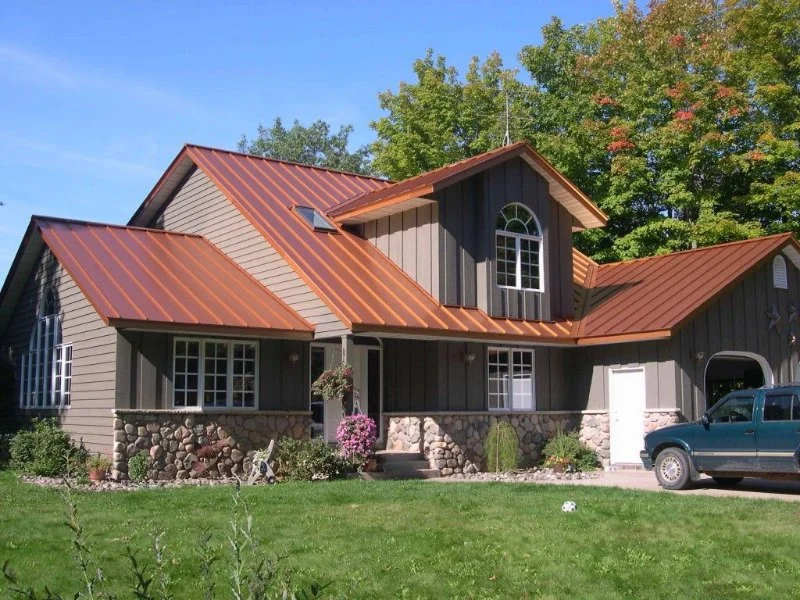
Your roof is one of the most visible features of your home, so choosing the right roof color can have a significant impact on your home's curb appeal. The color of your roof can either complement or clash with the rest of your home's exterior, including the siding, trim, and landscaping. A well-chosen roof color can enhance the overall look of your home and make it more appealing to potential buyers if you ever decide to sell.
In general, darker roof colors tend to give a home a more traditional or formal appearance, while lighter colors can create a more modern and open look. Consider how the roof color works with the architectural style of your home and how it complements other elements of your exterior, such as the paint color or landscaping.
Samson Roofing & Construction Corp
Los AngelesLos Angeles CountyCalifornia
16225 Moorpark St, Encino, CA 91436, USA
2. How Roof Color Affects Heat Absorption
Roof color not only impacts your home’s aesthetic appeal but also its energy efficiency. Roofs with darker colors tend to absorb more heat from the sun, which can increase the temperature inside your home, especially during the summer months. This can lead to higher cooling costs, as your air conditioning system works harder to maintain a comfortable temperature. On the other hand, lighter-colored roofs reflect more sunlight, helping to keep your home cooler and reducing the need for air conditioning.
2.1. Dark Roofs and Heat Absorption
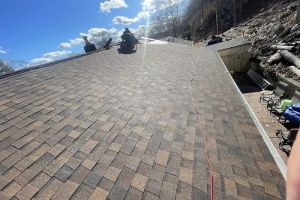
Dark-colored roofs, such as black or dark gray, absorb a significant amount of heat, which can increase the overall temperature of your home. While this might not be a major issue in cooler climates, it can be a concern in warmer regions, where energy bills can rise due to air conditioning use. In areas with hot summers, it’s important to weigh the aesthetic benefits of a dark roof against the potential for higher cooling costs.
2.2. Light Roofs and Heat Reflection
Lighter-colored roofs, such as white, light gray, or beige, reflect sunlight rather than absorbing it. This can help keep your home cooler, especially during the summer months. By reflecting heat, a light-colored roof can lower your reliance on air conditioning and reduce energy costs. Additionally, some cool roofing materials are designed to enhance this reflective effect, providing extra benefits in terms of heat reduction and energy savings.
2.3. Impact on Energy Efficiency
The energy efficiency of your roof depends on the materials used and the color of the roofing material. In general, light-colored roofs are more energy-efficient in hot climates, while dark roofs might be more suitable for colder regions. However, there are some exceptions, such as reflective coatings and materials designed to work well in both hot and cold climates.
3. Choosing the Right Roof Color for Your Home
When selecting a roof color, it's important to consider both aesthetic preferences and practical considerations. The right roof color can improve your home's appearance and help optimize its energy efficiency. Here are some factors to consider when making your decision:
3.1. Climate
Your local climate plays a crucial role in determining the best roof color for your home. In hot climates, light-colored roofs are ideal for reflecting heat and keeping your home cool. In cooler regions, a darker roof may be a better choice, as it can help retain heat inside your home during the colder months.
3.2. Architectural Style
Different architectural styles may call for different roof colors. For example, traditional homes may look better with darker roofs, while modern or coastal homes may benefit from lighter, more neutral roof colors. Consider the style of your home and how the roof color will complement the rest of your exterior design.
3.3. Neighborhood Aesthetics
While personal preference plays a big role in choosing a roof color, it’s also worth considering the overall aesthetic of your neighborhood. If your home is part of a homeowners' association (HOA), there may be guidelines or recommendations for roof colors. Even if there are no restrictions, it’s important to choose a color that harmonizes with the look of your neighborhood, ensuring your home fits in without standing out too much.
3.4. Material and Durability
The material of your roof can also impact how it absorbs heat. Some materials, such as metal and certain shingles, have reflective coatings that can enhance the heat-reflecting benefits of a light-colored roof. Make sure to choose a roof material that works well with your desired color and provides the durability and energy efficiency you need.
4. Roof Color Examples and Case Studies
To help you make an informed decision, let's look at a few examples of roof color choices and how they impact both curb appeal and energy efficiency:
4.1. Case Study: Dark Roof for Traditional Homes
In a case study of a suburban home with a traditional Colonial architectural style, the homeowners chose a dark gray roof to complement the brick exterior. While the dark color added a sophisticated, classic touch to the home’s curb appeal, it also increased energy costs in the summer months due to the higher heat absorption. The homeowners later decided to add a reflective coating to the roof, which helped mitigate the heat absorption and improved energy efficiency.
4.2. Case Study: Light Roof for Modern Homes
In another example, a modern-style home with a flat roof used a light-colored metal roof with high reflectivity. This roof color not only blended well with the minimalist design of the home but also significantly reduced cooling costs. The reflective surface helped keep the home cool during hot summers, leading to lower energy bills. This choice was ideal for the warm climate of Southern California.
5. Total Roofing Hub Recommendations
If you're in the process of choosing a roof color or planning a roof replacement, the experts at Total Roofing Hub can help. We offer a wide selection of roofing materials and colors that can improve your home’s curb appeal and energy efficiency. Whether you’re looking for a traditional style, a modern aesthetic, or an energy-efficient solution, we have the perfect options for your home. Visit our website for more information and to find the best roofing products for your needs.


 Marc Joseph remodeling5.0 (1 reviews)
 PRS Roofing Inc5.0 (9 reviews)
 KAPS CONSTRUCTION4.0 (5 reviews)
 Marshall Exteriors, LLC4.0 (213 reviews)
 S.W.A.T. Roofing & Consulting4.0 (46 reviews)
 MATFI RENOVATIONS LLC5.0 (23 reviews)
 Siding Material Fire Ratings: What’s Required & What to Choose
 Roof Talk: Common Terminology Every Homeowner Should Know
 How Often Should You Replace Your Home's Siding? Expert Tips on Siding Longevity
 The Average Lifespan of Asphalt Shingle Roofs: How Long Do They Last?
 How to Choose a Reliable Roofing Contractor Near You | Top Tips and Questions
 Should I Repair or Replace My Roof? – Expert Guide for U.S. Homeowners