
- average-lifespan-of-siding
- factors-that-affect-durability
- signs-its-time-to-replace
- case-studies-from-homeowners
- cost-and-value-considerations
- choosing-reliable-resources
1. Average Lifespan of Siding
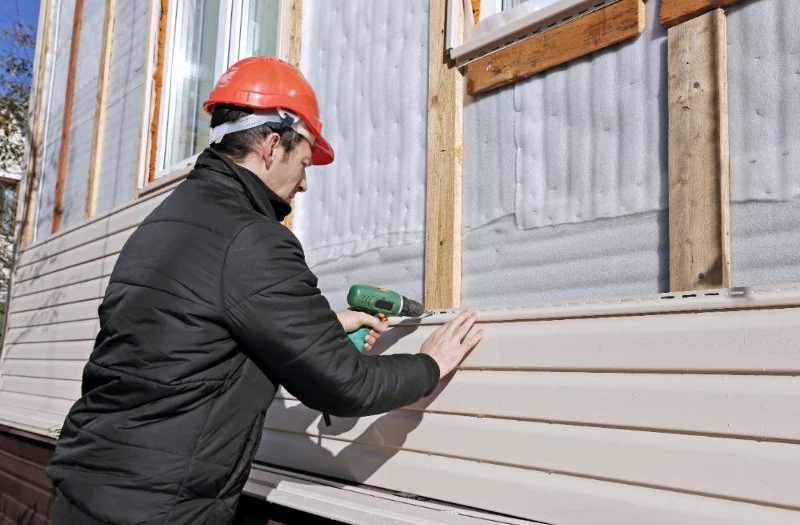
When asking How Often Should You Replace Your Home's Siding?, it’s important to understand that the answer varies by material. Vinyl siding typically lasts 20–40 years, while wood may last 15–30 years depending on upkeep. Fiber cement, a popular option in the U.S., often reaches 50 years with proper maintenance. Knowing these ranges helps homeowners plan for long-term investments.
Custom Design Construction
VistaSan Diego CountyCalifornia
3305 Sagewood Hills Rd, Vista, CA 92084, USA
2. Factors That Affect Durability
2.1 Climate and Weather Conditions
Homes in regions with harsh winters, strong winds, or high humidity tend to experience siding wear more quickly. For example, coastal homeowners often report salt exposure causing vinyl siding to fade faster than expected.
2.2 Installation and Maintenance
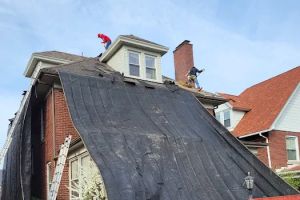
Even the best siding can fail prematurely if improperly installed. Loose panels allow moisture in, which may lead to rot or mold. Regular inspections, repainting wood, and power washing vinyl every few years extend lifespan considerably.
2.3 Material Quality
Budget siding may save money initially but usually needs replacing much sooner. Investing in premium siding often pays off in reduced maintenance and a longer replacement cycle.
3. Signs It’s Time to Replace
3.1 Visible Damage
Cracks, warping, or bubbling often indicate siding is past its prime. These issues not only harm curb appeal but also reduce energy efficiency.
3.2 Rising Energy Bills
If heating and cooling costs are climbing, deteriorating siding may be allowing drafts inside. Replacing old siding with insulated options can cut energy costs significantly.
3.3 Mold and Rot
Discoloration or soft spots usually signal water infiltration. Left unchecked, this can compromise structural integrity, making timely replacement essential.
4. Case Studies from Homeowners
One Ohio family shared how they delayed replacing their wood siding for years. Eventually, hidden rot led to costly structural repairs beyond the siding itself. In contrast, a Texas homeowner upgraded to fiber cement siding after 25 years of vinyl use, reporting not only improved curb appeal but also fewer maintenance worries in their storm-prone area. Real stories like these highlight why timely siding replacement is critical.
5. Cost and Value Considerations
While siding replacement is a significant expense, it also boosts home value and energy efficiency. According to remodeling industry reports, homeowners often recoup up to 70% of siding replacement costs in resale value. Choosing a long-lasting material may feel costly upfront but pays off in the long run.
6. Choosing Reliable Resources
Replacing siding is not a task most homeowners should approach alone. Expert advice and access to the right products can make all the difference. For trusted recommendations on siding options, installation professionals, and reliable suppliers, Total Roofing Hub offers resources designed to help U.S. homeowners make confident decisions about their exterior upgrades.


 Skyline Designs Roofing5.0 (99 reviews)
 Perfect Roofing Installations4.0 (60 reviews)
 Dog Tags Construction LLC4.0 (16 reviews)
 Gutter Shutter of Central Maryland5.0 (9 reviews)
 Sam Cline Handyman Services4.0 (37 reviews)
 Paramount Builders Inc.4.0 (302 reviews)
 Should I Repair or Replace My Roof?
 Top 10 Signs Your Roof Needs Immediate Repair Before It’s Too Late
 The Pros and Cons of Vinyl Siding: Is It the Right Choice for Your Home?
 How to Choose a Reliable Roofing Contractor Near You – Expert Tips
 Top 10 Signs Your Roof Needs Immediate Repair You Shouldn’t Ignore
 How to Spot Hail Damage on Your Roof | Quick Guide for Homeowners