
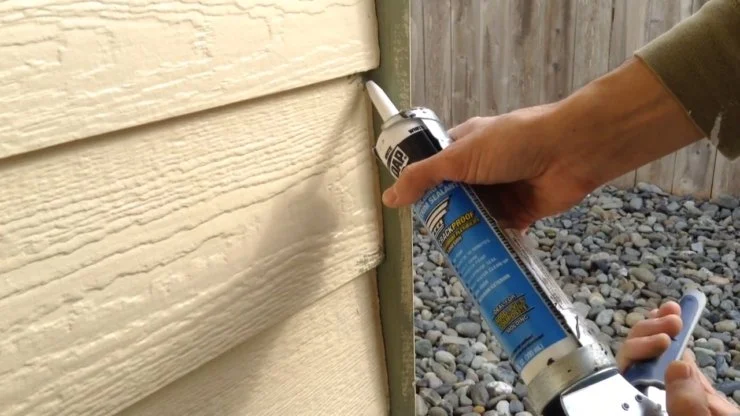
- Why Sealing and Caulking Your Siding is Crucial
- 1. Choosing the Right Materials for Siding Sealing and Caulking
- 2. How to Properly Apply Sealing and Caulking to Your Siding
- 3. Maintaining Your Caulking and Sealing for Longevity
- 4. Expert Tips for Effective Siding Sealing and Caulking
Why Sealing and Caulking Your Siding is Crucial
Properly sealing and caulking your siding is one of the most effective ways to protect your home from the elements, prevent costly repairs, and enhance energy efficiency. Over time, gaps and cracks can form in the siding material, allowing water, air, and insects to infiltrate your home. This can lead to mold, mildew, rot, and even structural damage.
Sealing and caulking are essential maintenance tasks that help keep your home safe and comfortable. In this article, we’ll guide you through the best practices for siding sealing and caulking, from choosing the right materials to application tips that ensure a tight, long-lasting seal.

House Transformers Inc.
Glen BurnieAnne Arundel CountyMaryland
7442 Baltimore Annapolis Blvd Suite 201, Glen Burnie, MD 21061, USA
1. Choosing the Right Materials for Siding Sealing and Caulking
To achieve the best results, it’s important to choose the right materials for your siding sealing and caulking needs. Different types of siding require different caulking and sealing solutions. Here’s what you need to know:
- For Wood Siding: Use a high-quality exterior-grade silicone or acrylic caulk that is paintable and provides a long-lasting seal. Silicone caulks are highly resistant to moisture and UV rays, making them ideal for wood siding.
- For Vinyl Siding: Choose a paintable, flexible acrylic latex caulk. Vinyl siding can expand and contract with temperature changes, so flexibility is key to maintaining a durable seal.
- For Fiber Cement Siding: Opt for a high-performance silicone caulk or a polyurethane-based sealant that adheres well to fiber cement, which can be more challenging to seal due to its texture.
- For Metal Siding: Use a butyl rubber caulk, as it adheres well to metal surfaces and provides a durable, weather-resistant seal against water and air infiltration.
Choosing the right material for your siding type ensures that the caulk or sealant will adhere properly and provide long-term protection. Be sure to read product labels and consult with a professional if you’re unsure about the best material for your specific siding.

US Siding & Roofing, Painting and Windows
SudburyMiddlesex CountyMassachusetts
357 Boston Post Rd, Sudbury, MA 01776, USA
2. How to Properly Apply Sealing and Caulking to Your Siding
Applying caulk and sealant to your siding may seem like a simple task, but it’s crucial to follow the correct steps to ensure a proper, long-lasting seal. Here’s how to do it right:
- Preparation: Before applying caulk, clean the surface thoroughly. Remove any dirt, debris, or old caulk from cracks and gaps. You can use a putty knife or scraper to remove old caulk, and wash the surface with soap and water.
- Choose the Right Temperature: Caulking should be applied when the temperature is between 40°F and 80°F (4°C and 27°C). Applying caulk in extreme temperatures can affect its adhesion and flexibility.
- Use a Caulk Gun: For clean, controlled application, use a caulk gun. Cut the tip of the caulk tube at a 45-degree angle and apply the caulk along the seams of the siding, filling all gaps and cracks.
- Tool the Caulk: After applying the caulk, use a dampened finger or caulking tool to smooth and shape the bead. This ensures that the caulk adheres well to both the siding and surrounding surfaces, leaving a neat and professional finish.
- Allow to Cure: Most caulks require 24-48 hours to fully cure. Be sure to avoid touching or painting the caulk until it has set properly.
By following these steps, you’ll create a durable, effective seal that protects your home from moisture, air leaks, and other environmental elements.
3. Maintaining Your Caulking and Sealing for Longevity
Proper maintenance is key to ensuring that your siding caulking and sealing continue to perform well over time. Here are some important maintenance tips:
- Inspect Regularly: Check your caulking and sealing every six months for any signs of wear, cracking, or gaps. Pay close attention to areas around windows, doors, and joints where caulking is most vulnerable.
- Reapply as Needed: If you notice any deterioration in the caulk, reapply it to maintain the seal. It’s better to catch issues early than let them develop into bigger problems.
- Clean Surrounding Areas: Keep the surfaces around your caulking clean. Dirt, mildew, or mold can weaken the adhesion of the caulk, so regular cleaning will help maintain the effectiveness of the seal.
By staying on top of maintenance, you can extend the life of your caulking and sealing, ensuring your siding remains well-protected for years to come.
4. Expert Tips for Effective Siding Sealing and Caulking
To maximize the effectiveness of your siding sealing and caulking, here are some expert tips:
- Don’t Overfill Gaps: When applying caulk, avoid overfilling gaps. The caulk should fill the gap without bulging out too much, which can create an uneven surface.
- Choose the Right Caulk for Specific Conditions: If you live in an area with extreme weather conditions, consider using high-performance, weather-resistant caulk that can withstand temperature fluctuations and heavy rainfall.
- Work in Small Sections: It’s easier to apply caulk in small sections rather than trying to cover large areas at once. This allows you to work more efficiently and ensures a cleaner finish.
By following these expert tips, you’ll achieve a more durable, neat, and long-lasting seal on your siding, ensuring your home is protected from the elements.
If you're looking for the best caulking and sealing products or need professional siding services, visit Total Roofing Hub for quality roofing solutions and expert advice tailored to your home’s needs.


 Proven Contracting of Randolph NJ5.0 (43 reviews)
 Miguel Multiservices5.0 (1 reviews)
 Top Notch Remodeling5.0 (2 reviews)
 Thomas James Roofing and Waterproofing4.0 (54 reviews)
 Cannon Roofing0.0 (0 reviews)
 E&V CONTRACTING LLC (Elijah Home Improvement)4.0 (29 reviews)
 How Long Do Asphalt Shingles Last? Learn About Their Lifespan
 Best Practices for Matching Roof Shingles with Siding Colors for a Cohesive Look
 The Environmental Benefits of a Cool Roof: Why You Should Consider Installing One
 How to Budget for a Roof Replacement Project | Expert Tips
 Top 10 Signs Your Roof Needs Immediate Repair Before It’s Too Late
 How to Spot Hail Damage on Your Roof