
- 1. Why Siding Maintenance Is Crucial in Wet Areas
- 2. Best Materials for Siding in Flood-Prone Areas
- 3. How to Regularly Maintain Your Siding
- 4. Dealing with Damage and Repairing Your Siding
- 5. When to Consult Professionals for Siding Maintenance
1. Why Siding Maintenance Is Crucial in Wet Areas
Maintaining the siding of your home is essential, especially in wet or flood-prone areas. Siding protects your home from the elements, but it can suffer considerable damage from prolonged exposure to moisture. Water, mold, and mildew can quickly compromise the integrity of your siding, leading to expensive repairs or even complete replacement if not properly maintained.
In areas where heavy rainfall or flooding is common, your siding is the first line of defense against water infiltration. If neglected, moisture can penetrate the siding, leading to wood rot, peeling paint, or rusting metal. By taking proactive steps to maintain your siding, you ensure that your home remains protected and your siding lasts longer.

American Home Source
GlendoraLos Angeles CountyCalifornia
223 S Glendora Ave #104, Glendora, CA 91741, USA
2. Best Materials for Siding in Flood-Prone Areas
Choosing the right material for your siding is one of the most important steps in ensuring long-term durability in wet or flood-prone areas. Some materials perform better under these conditions than others:
- Vinyl Siding: Vinyl is a popular choice for wet areas as it is waterproof, resistant to mold and mildew, and relatively low-maintenance. It's a durable option that can withstand heavy rainfall and moisture exposure.
- Fiber Cement Siding: Fiber cement is another excellent choice for flood-prone areas. It is resistant to water, rot, and pests, and provides excellent protection against harsh weather conditions.
- Metal Siding: Metal siding, particularly aluminum and steel, is highly resistant to water and moisture. It's also fire-resistant and can be a great long-term investment for homes in flood-prone areas.
- Stucco Siding: Stucco is a durable, weather-resistant material that works well in wet conditions. However, it requires regular maintenance to prevent cracks and water infiltration, which can lead to damage.
When selecting siding for your home, consider the local climate and flood risk. Choosing a material that’s highly resistant to moisture will help prevent issues down the road and minimize the need for extensive repairs.
ACCENT roofing & remodeling
1141 N Loop 1604 E, San Antonio, TX 78232, USA
3. How to Regularly Maintain Your Siding
Regular maintenance is key to ensuring that your siding performs well over time, especially in wet environments. Here are some essential steps for maintaining your siding:
- Clean Your Siding: Regular cleaning helps remove dirt, algae, and mold that can build up on your siding. Use a mild detergent and a soft brush to gently clean the surface, ensuring you don't damage the material.
- Inspect for Damage: After heavy rain or flooding, inspect your siding for any signs of water damage, cracks, or warping. Early detection of issues can save you from costly repairs in the future.
- Seal Gaps and Joints: Check for gaps around windows, doors, and seams where water can infiltrate. Seal any openings with high-quality caulking to prevent moisture from getting behind the siding.
- Apply Protective Coatings: If your siding material allows, consider applying a waterproof sealant or protective coating every few years to enhance its resistance to water and weather damage.
By performing regular maintenance, you not only protect your siding but also improve the energy efficiency of your home by maintaining proper insulation and preventing drafts.
4. Dealing with Damage and Repairing Your Siding
Even with regular maintenance, your siding may still encounter damage, particularly after prolonged exposure to water or flooding. Here's how to deal with common siding issues:
- Fixing Cracks and Holes: Small cracks or holes in your siding can be repaired using appropriate fillers or patching compounds. Be sure to choose a product that is compatible with your siding material and capable of sealing out moisture.
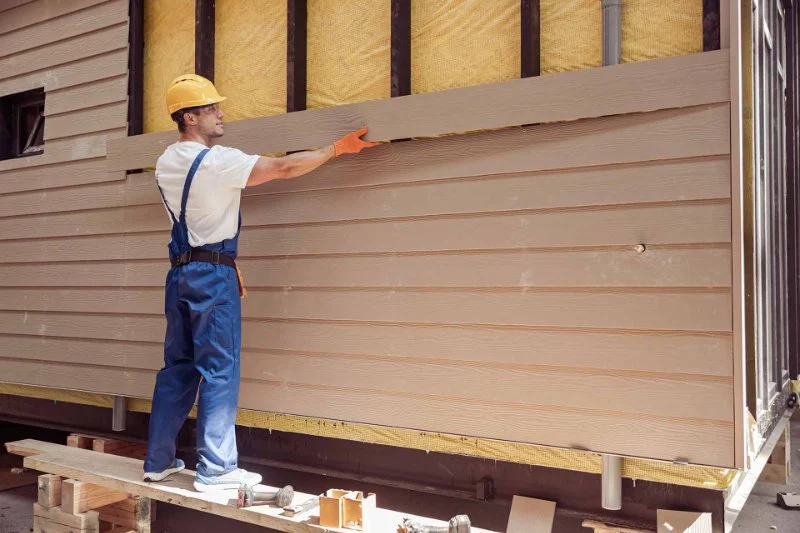
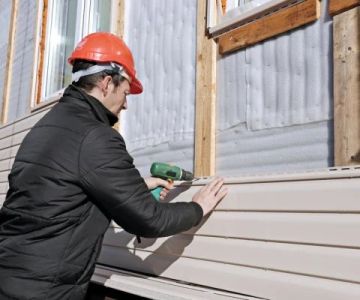
- Replacing Damaged Sections: If sections of your siding are severely damaged or warped, they may need to be replaced. For example, if vinyl siding is cracked, you may need to replace the individual panels.
- Dealing with Mold and Mildew: Mold and mildew are common in wet areas. Use a cleaning solution with bleach or a specialized mildew remover to eliminate these growths. For more serious infestations, you may need to replace the affected sections of siding.
Timely repairs can help you avoid more significant issues like water leaks, which could cause further damage to the structure of your home. Always use high-quality materials and follow proper installation procedures to ensure the repairs last.
5. When to Consult Professionals for Siding Maintenance
While regular maintenance and minor repairs can often be handled on your own, there are times when consulting a professional is the best option. Consider seeking professional help if:
- You notice extensive water damage or rot that affects the structural integrity of the siding.
- You are unsure about how to properly seal your siding or address a persistent moisture issue.
- The damage extends to the underlying framework or insulation, requiring a more complex repair.
Professional siding contractors have the expertise to handle repairs and maintenance tasks effectively, ensuring that your siding is in the best condition to protect your home. Whether it's fixing extensive damage or reinforcing weak points in the structure, an expert can provide the best solution for your needs.
For more information on siding repair and maintenance, or to find the right siding solution for your home, visit Total Roofing Hub for expert advice and services tailored to your needs.
 Marc Joseph remodeling5.0 (1 reviews)
 PRS Roofing Inc5.0 (9 reviews)
 KAPS CONSTRUCTION4.0 (5 reviews)
 Marshall Exteriors, LLC4.0 (213 reviews)
 S.W.A.T. Roofing & Consulting4.0 (46 reviews)
 MATFI RENOVATIONS LLC5.0 (23 reviews)
 Siding Material Fire Ratings: What’s Required & What to Choose
 Roof Talk: Common Terminology Every Homeowner Should Know
 How Often Should You Replace Your Home's Siding? Expert Tips on Siding Longevity
 The Average Lifespan of Asphalt Shingle Roofs: How Long Do They Last?
 How to Choose a Reliable Roofing Contractor Near You | Top Tips and Questions
 Should I Repair or Replace My Roof? – Expert Guide for U.S. Homeowners