- 1. What is Roof Underlayment?
- 2. Roof Tear-Off vs Overlay
- 3. Factors Affecting Roof Tear-Off and Overlay Costs
- 4. Which Option Is Best for You?
- 5. Real-Life Examples of Tear-Off and Overlay
- 6. Final Thoughts on Roof Underlayment Costs
1. What is Roof Underlayment?
Roof underlayment is a protective layer placed between the roofing deck and the shingles or other roofing material. It serves as an additional barrier to prevent water infiltration and damage to the interior of your home. Typically, underlayment is made from materials like felt paper, synthetic plastic, or rubberized asphalt.
Underlayment is crucial for ensuring the longevity of your roof, especially in areas prone to heavy rain, snow, or extreme temperatures. Its primary purpose is to provide a waterproof shield, preventing leaks from compromising the integrity of your roof.

2. Roof Tear-Off vs Overlay
When it comes to roof replacement, homeowners often have to choose between two methods: a roof tear-off or an overlay. Both approaches have distinct advantages and drawbacks, with cost being a significant factor in decision-making. Let's break down each option to understand the differences:

Rocky Ridge Roofing LLC
ShippensburgCumberland CountyPennsylvania
1481 Newburg Rd, Shippensburg, PA 17257, USA
2.1 Roof Tear-Off
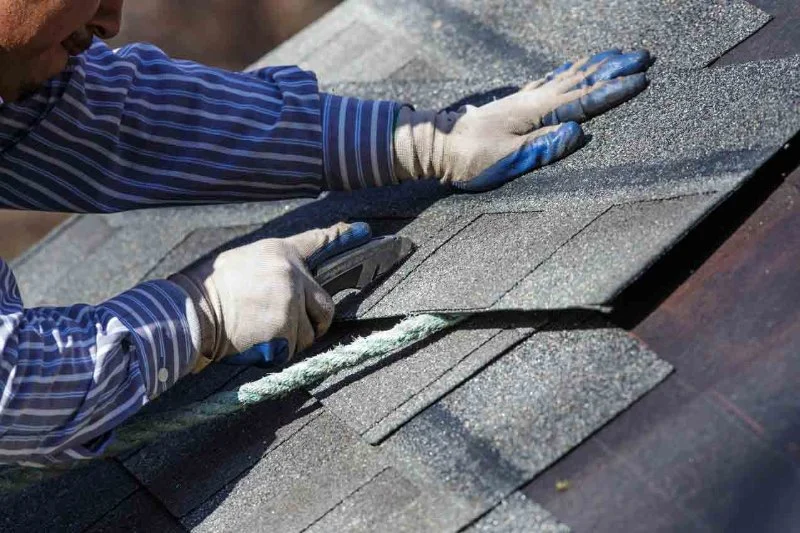
A roof tear-off involves removing the existing roofing materials down to the deck before installing a new layer of underlayment and shingles. This method is often recommended for older roofs or when the underlying materials are compromised. While it provides a fresh start and ensures that no hidden damage is left untreated, it can be more expensive due to labor costs and disposal fees.
Costs for a roof tear-off depend on factors such as the size of the roof, the type of shingles being removed, and local labor rates. Generally, tear-offs cost between $1.50 and $4 per square foot. The extra labor involved in removing old materials can add up quickly.
2.2 Roof Overlay
A roof overlay, on the other hand, involves placing a new layer of shingles directly over the existing ones. This method is quicker and less expensive because it eliminates the need for removal, reducing labor and disposal costs. However, overlays may not be suitable for every roof, especially if there are already multiple layers of shingles or significant damage to the roof deck.
Overlay costs are typically lower, ranging from $0.50 to $2.50 per square foot, depending on the materials used and the size of the roof. While this is a more affordable option upfront, it can potentially lead to higher long-term costs if issues such as poor ventilation or structural damage are overlooked.
3. Factors Affecting Roof Tear-Off and Overlay Costs
Several factors influence the cost of both roof tear-offs and overlays. Understanding these elements can help homeowners make a more informed decision about which option suits their budget and needs:
3.1 Roof Size
The larger your roof, the more materials and labor will be required, increasing the overall cost. A bigger surface area means more time for removal or installation, which directly affects the price of either a tear-off or an overlay.
3.2 Roofing Materials
Different roofing materials have varying costs. For example, asphalt shingles are more affordable than slate or tile, which will drive up the price of the entire project. Additionally, the type of underlayment chosen can also affect the final cost, with synthetic materials generally being more expensive than felt paper.
3.3 Roof Condition
If the underlying structure of the roof is in poor condition or if there is water damage, the cost of a tear-off may increase due to repairs. On the other hand, overlays may not be an ideal solution if there are hidden issues with the decking or existing layers of shingles.
3.4 Labor Costs
Labor rates can vary depending on your location, the roofing company, and the complexity of the project. Roof tear-offs typically require more labor, as workers must remove the old roof and dispose of it. Overlay projects are generally quicker, but the labor cost can still vary depending on the materials and project scope.
4. Which Option Is Best for You?
The decision between a roof tear-off and an overlay largely depends on the condition of your existing roof and your budget. Here are some scenarios to help guide your choice:
4.1 Choose a Tear-Off if:
- Your roof has multiple layers of shingles.
- The roof deck is damaged or deteriorating.
- You plan to stay in your home for many more years and want to ensure a solid, long-lasting roof.
- You need a fresh start with no hidden issues.
4.2 Choose an Overlay if:
- Your roof is relatively new, and the deck is in good condition.
- You want a quicker, more affordable solution for a short-term fix.
- The roof structure does not have significant issues that could be hidden under existing shingles.
5. Real-Life Examples of Tear-Off and Overlay
In a recent case in Florida, a homeowner opted for an overlay due to budget constraints, as their roof was only about 10 years old and showed no signs of significant damage. The overlay worked well, offering a cost-effective solution without compromising the roof's performance.
Conversely, in a home in Texas, the roof had suffered from water damage and multiple previous overlays. A tear-off was necessary to properly address the issues and ensure the longevity of the new roofing materials. Although the tear-off was more expensive, it was the right choice to prevent further damage.
6. Final Thoughts on Roof Underlayment Costs
Choosing between a roof tear-off and an overlay comes down to several factors, including your roof’s condition, your budget, and your long-term goals. While a tear-off may be more costly upfront, it provides a clean slate and addresses potential underlying issues. An overlay is a more affordable option for roofs that are still in good shape but may not be suitable for every situation.
If you're still unsure which method is best for your home, consulting with a roofing professional from Total Roofing Hub can help you make an informed decision. They can assess your roof’s condition, recommend the right approach, and provide a detailed cost estimate to ensure you stay within your budget.
 Marc Joseph remodeling5.0 (1 reviews)
 PRS Roofing Inc5.0 (9 reviews)
 KAPS CONSTRUCTION4.0 (5 reviews)
 Marshall Exteriors, LLC4.0 (213 reviews)
 S.W.A.T. Roofing & Consulting4.0 (46 reviews)
 MATFI RENOVATIONS LLC5.0 (23 reviews)
 Siding Material Fire Ratings: What’s Required & What to Choose
 Roof Talk: Common Terminology Every Homeowner Should Know
 How Often Should You Replace Your Home's Siding? Expert Tips on Siding Longevity
 The Average Lifespan of Asphalt Shingle Roofs: How Long Do They Last?
 How to Choose a Reliable Roofing Contractor Near You | Top Tips and Questions
 Should I Repair or Replace My Roof? – Expert Guide for U.S. Homeowners