
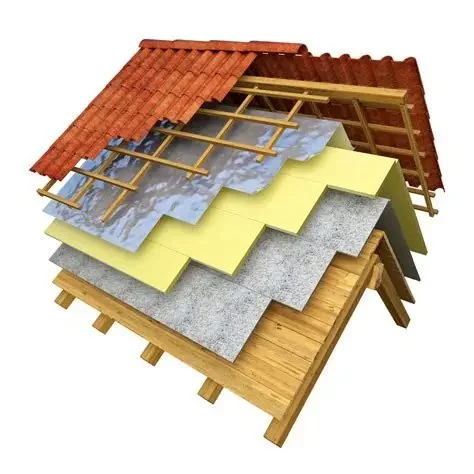
The Environmental Benefits of a Cool Roof
- 1- Introduction: What is a Cool Roof?
- 2- How Cool Roofs Contribute to Energy Efficiency
- 3- The Positive Impact on Urban Heat Islands
- 4- How Cool Roofs Help in Reducing Carbon Footprints
- 5- Real-Life Case Studies: Cool Roofs in Action
1- Introduction: What is a Cool Roof?
A cool roof is a roofing system designed to reflect more sunlight and absorb less heat compared to standard roofs. By using special reflective coatings or materials, cool roofs can help regulate temperatures inside buildings, reducing the need for air conditioning. They have gained popularity as a sustainable and energy-efficient solution, particularly in areas that experience high levels of sunlight and heat.
2- How Cool Roofs Contribute to Energy Efficiency
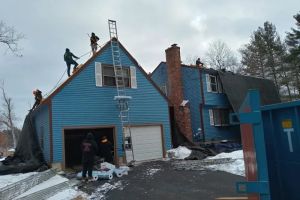
The primary benefit of a cool roof is its ability to significantly improve energy efficiency. By reflecting solar radiation, these roofs can maintain lower building temperatures, which reduces the need for air conditioning during hot weather. This not only helps in lowering electricity bills for homeowners and businesses but also decreases the overall demand for energy, especially during peak summer months. The energy savings can be substantial, particularly in regions where cooling costs are high.
3- The Positive Impact on Urban Heat Islands
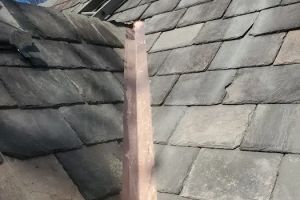
Urban areas, which are densely populated with buildings and paved surfaces, tend to be significantly hotter than surrounding rural areas—a phenomenon known as the urban heat island effect. Cool roofs help combat this by lowering the amount of heat that is absorbed by buildings and streets. When implemented on a large scale, cool roofs can help reduce the overall temperature in cities, improving air quality and providing a more comfortable environment for residents.
4- How Cool Roofs Help in Reducing Carbon Footprints
Cool roofs not only reduce the need for air conditioning, which lowers energy consumption, but they also contribute to the fight against climate change. By reducing energy demand, cool roofs help to reduce greenhouse gas emissions associated with electricity generation. This is especially important in regions where electricity is primarily generated from fossil fuels. Additionally, the installation of cool roofs can contribute to a more sustainable urban infrastructure, supporting efforts to reduce a community’s overall carbon footprint.
5- Real-Life Case Studies: Cool Roofs in Action
Many cities and organizations have begun adopting cool roofing technologies, and the results have been impressive. For instance, in Los Angeles, the city has implemented a massive cool roof program to combat the urban heat island effect. The initiative has led to cooler streets, reduced energy costs, and improved air quality. Similarly, large corporations are adopting cool roofs to meet sustainability goals and reduce energy expenses. These real-life examples demonstrate the significant environmental and economic benefits that cool roofs can offer.
If you're considering a cool roof for your property, visit Total Roofing Hub for expert advice and the best roofing products available to help you make a positive environmental impact.
 Skyline Designs Roofing5.0 (99 reviews)
 Perfect Roofing Installations4.0 (60 reviews)
 Dog Tags Construction LLC4.0 (16 reviews)
 Gutter Shutter of Central Maryland5.0 (9 reviews)
 Sam Cline Handyman Services4.0 (37 reviews)
 Paramount Builders Inc.4.0 (302 reviews)
 Should I Repair or Replace My Roof?
 Top 10 Signs Your Roof Needs Immediate Repair Before It’s Too Late
 The Pros and Cons of Vinyl Siding: Is It the Right Choice for Your Home?
 How to Choose a Reliable Roofing Contractor Near You – Expert Tips
 Top 10 Signs Your Roof Needs Immediate Repair You Shouldn’t Ignore
 How to Spot Hail Damage on Your Roof | Quick Guide for Homeowners