What Government Rebates Exist for Roofing & Siding Upgrades
- 1. Understanding Government Rebates for Roofing and Siding
- 2. Federal Tax Incentives for Energy-Efficient Upgrades
- 3. State and Local Rebate Programs
- 4. Qualifying Materials and Energy-Efficient Standards
- 5. How to Apply for Roofing and Siding Rebates
- 6. Real-Life Examples of Homeowners Saving Thousands
- 7. Expert Guidance from Total Roofing Hub
1. Understanding Government Rebates for Roofing and Siding
Government rebates for roofing and siding upgrades are financial incentives designed to encourage homeowners to invest in energy-efficient, sustainable building materials. These rebates, often offered through federal, state, or utility programs, help reduce upfront renovation costs while promoting greener homes and lower energy bills.
According to roofing specialists at Total Roofing Hub, many homeowners overlook these programs, missing out on potential savings of hundreds or even thousands of dollars. Whether you’re installing reflective roofing materials or insulated vinyl siding, there may be rebates waiting for you.
2. Federal Tax Incentives for Energy-Efficient Upgrades
At the federal level, the U.S. government provides several energy efficiency incentives through tax credits and deductions. The most notable is the Energy Efficient Home Improvement Credit under the Inflation Reduction Act (IRA). This program allows homeowners to claim up to 30% of the cost of qualifying energy-efficient improvements, including roofing and siding materials that meet Energy Star standards.

Grier Roofing, LLC
WellfordSpartanburg CountySouth Carolina
120 Spartan Exchange Rd, Wellford, SC 29385, USA
Key Federal Benefits Include:
- Tax credits up to $1,200 annually for qualifying improvements.
- Increased credit limits for materials with higher energy efficiency ratings.
- Eligibility for reflective “cool roofs” designed to reduce heat absorption and energy use.
By selecting certified products and hiring professional installers, homeowners can make energy-efficient improvements that pay off at tax time while reducing monthly energy costs.
3. State and Local Rebate Programs
In addition to federal credits, many state and municipal governments offer rebate programs to encourage sustainable home renovations. These programs often focus on reducing energy demand and promoting weather-resistant construction.
For example, California’s “GoGreen Home Energy Financing” initiative provides low-interest financing and rebates for energy-saving projects, while New York’s “Home Performance with ENERGY STAR®” program offers up to $10,000 in combined incentives for efficiency upgrades, including roofing and siding improvements.
Utility companies also play a role. Many offer direct rebates for installing reflective roofing systems, insulated siding, or solar-integrated roofing panels. Before starting your project, check with local agencies or visit Total Roofing Hub for regional rebate updates.
4. Qualifying Materials and Energy-Efficient Standards
Not all roofing or siding materials qualify for rebates. The government typically requires the use of Energy Star-certified products or those that meet specific insulation or reflectivity standards.
Examples of Qualifying Materials:
- Cool Roofs: Roofs with reflective coatings or membranes that reduce heat gain, ideal for warm climates.
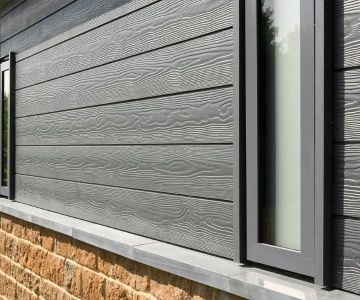
- Insulated Vinyl or Fiber Cement Siding: Siding that improves home insulation and reduces heating/cooling costs.
- Metal Roofing: Energy-efficient and long-lasting, often eligible for tax credits if properly coated.
Products must generally be installed by licensed contractors and accompanied by certification documents to be eligible for government or utility rebates.
5. How to Apply for Roofing and Siding Rebates
The process of applying for rebates can vary depending on the program, but most require homeowners to follow these basic steps:
1. Verify Eligibility
Check if your planned roofing or siding materials meet the required energy-efficiency standards and if your state participates in rebate programs.
2. Hire Certified Contractors
Most rebate programs require installation by certified professionals. Partnering with experts like Total Roofing Hub ensures that all materials and processes qualify for financial incentives.
3. Submit Documentation
Keep all receipts, certifications, and warranty documentation. These will be required when filing rebate applications or claiming tax credits.
4. Claim Tax Credits
For federal incentives, you can claim rebates using IRS Form 5695 when filing your tax return. Many states provide online portals for rebate submissions, making the process straightforward.
6. Real-Life Examples of Homeowners Saving Thousands
In 2023, a homeowner in Portland, Oregon, upgraded their asphalt shingles to Energy Star-rated metal roofing and received a $1,000 rebate from their local energy provider plus a federal tax credit of nearly $800. The upgrade also lowered their annual cooling costs by 15%.
Another example comes from North Carolina, where a family replaced their old vinyl siding with insulated fiber cement siding. The project qualified for a $1,200 rebate through a state energy program, cutting their overall renovation costs substantially.
These success stories show that homeowners can save significantly while increasing property value and improving sustainability through rebate-backed upgrades.
7. Expert Guidance from Total Roofing Hub
Navigating the maze of federal, state, and utility rebates can be challenging without expert help. The professionals at Total Roofing Hub specialize in helping homeowners identify available programs, select qualifying materials, and maximize their savings opportunities.
Whether you’re planning a minor siding replacement or a full roofing overhaul, consulting with experts ensures you not only improve your home’s performance but also take advantage of every available rebate and incentive.
Before starting your project, visit Total Roofing Hub to explore the latest energy-efficient products and financing programs tailored for your region.


 A.G Creative Touch4.0 (26 reviews)
 S.A Rain Gutter High Desert4.0 (5 reviews)
 Ricks Painting and Repairs4.0 (31 reviews)
 Katchmark Construction, Inc4.0 (85 reviews)
 Splendor Roof Repair and Installation5.0 (443 reviews)
 Superior By Design Restoration4.0 (14 reviews)
 What’s the Best Time of Year to Replace Your Roof?
 Top 10 Signs Your Roof Needs Immediate Repair: Don't Ignore These Warning Signs
 How Much Does a New Roof Cost in 2025?
 Asphalt Shingle Roof Lifespan: How Long Should It Last? | Top Tips
 What to Expect During a Roof Inspection | Roofing Tips for Homeowners
 The Complete Guide to Metal Roofing Systems for Long-lasting Protection