
- 1-Factors Affecting the Cost of a New Roof
- 2-Average Cost of a New Roof in 2025
- 3-Cost of Different Roofing Materials
- 4-Additional Costs and Fees to Consider
- 5-Real-Life Case Example: New Roof Costs in Action
1. Factors Affecting the Cost of a New Roof
When considering a new roof, it’s essential to understand the various factors that can influence the overall cost. The price of roof installation or replacement can vary widely based on the following factors:
- Roof Size and Complexity: The size of your roof is one of the most significant cost factors. Larger roofs require more materials and labor, increasing the overall price. Additionally, the complexity of the roof design—such as multiple levels or intricate angles—can also raise the cost.
- Roof Pitch: A steep roof pitch requires more effort and safety precautions during installation, which can result in higher labor costs.
- Location: Roofing costs can differ by region. Areas with a higher cost of living or more frequent extreme weather conditions (such as snow or hurricanes) may have higher roofing prices due to increased demand or higher labor costs.
- Labor Costs: Labor prices vary depending on the roofing contractor, your location, and the time of year. In general, contractors charge more for roof installations during peak seasons, such as summer, due to higher demand.
- Roof Removal and Disposal: If you need to remove an old roof before installing the new one, this adds to the cost. The disposal of old roofing materials may also require additional fees.
Considering these factors will help you get a more accurate estimate for your new roof. Always make sure to get multiple quotes from different contractors to ensure you’re getting a fair price for your project.

2. Average Cost of a New Roof in 2025
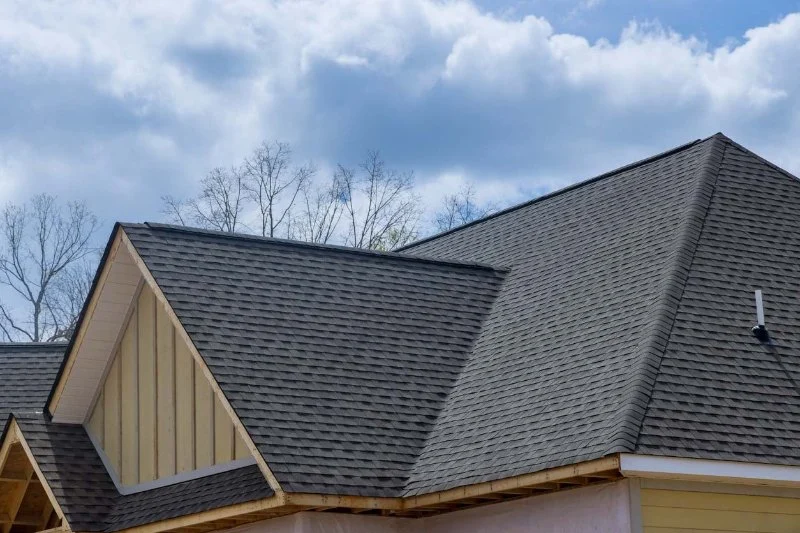
The cost of a new roof in 2025 varies based on factors like material choice, roof size, and labor costs. On average, homeowners in the U.S. can expect to pay between $5,000 and $12,000 for a new roof installation, with the following ranges depending on your roofing material:
- Asphalt Shingles: The most popular and budget-friendly option, asphalt shingles typically cost between $5,000 and $10,000 for an average-sized home (1,500–2,000 square feet).
- Metal Roofing: Metal roofs are more expensive, with costs ranging from $7,000 to $14,000 for a standard-sized home. The price may vary depending on the type of metal used (e.g., aluminum, steel, or copper).
- Wood Shingles or Shakes: Wood roofing materials are more costly, typically ranging from $8,000 to $15,000. Wood shingles are more expensive than asphalt but provide a unique aesthetic.
- Slate Roofing: Slate is one of the most durable and attractive roofing options, but it comes with a higher price tag, typically ranging from $15,000 to $30,000 or more for a 2,000-square-foot home.
- Clay or Concrete Tiles: Tile roofing is a premium option that generally costs between $10,000 and $20,000 for an average-sized home. The price depends on the type of tile used and the labor involved in installation.
While these are average estimates, the final cost of your roof installation will depend on your specific needs, the size of your home, and the materials you choose. Always consult with a professional roofer to get an accurate quote.
3. Cost of Different Roofing Materials
The material you choose for your new roof plays a significant role in determining the overall cost. Each roofing material has its own set of benefits and drawbacks, and understanding the cost differences can help you make an informed decision:
- Asphalt Shingles: Asphalt shingles are affordable and widely available, making them a popular choice for homeowners on a budget. They offer a lifespan of 15 to 30 years and are relatively easy to install, keeping installation costs lower.
- Metal Roofing: Metal roofing is known for its durability, lasting 40 to 70 years, and energy efficiency. However, it is more expensive upfront, especially if you choose high-end materials like copper or zinc.
- Wood Shingles: Wood shingles offer a rustic aesthetic but require more maintenance than other materials. They can last between 25 to 30 years, but the cost may be higher due to the materials and labor required to install them.
- Slate Roofing: Slate is a high-end material that’s known for its longevity (up to 100 years or more) and natural beauty. However, it’s heavy and costly, both in terms of material and installation labor.
- Clay or Concrete Tiles: Tile roofing offers excellent durability and insulation. However, it is heavier and more expensive to install, making it a long-term investment for homeowners willing to pay a premium for quality.
Each material comes with its own trade-offs. Asphalt shingles offer a balance of affordability and durability, while materials like slate and tile provide long-lasting beauty but come with a higher price tag.
4. Additional Costs and Fees to Consider
In addition to the cost of materials and labor, several other expenses may factor into your roof installation project. These can include:
- Roof Removal: If your existing roof needs to be torn off before the new one can be installed, this will incur additional costs, typically between $1 to $5 per square foot.
- Permits: In some areas, you’ll need a permit for roof replacement, which can add $100 to $1,000 to your overall costs, depending on your location.
- Roof Inspections: Some contractors may offer a roof inspection as part of the installation, but if not, you might need to pay for a separate inspection, typically costing around $150 to $500.
- Warranty: Many roofing contractors offer warranties on labor and materials. Make sure to inquire about warranty options and whether additional coverage is available for an extra cost.
When budgeting for your new roof, be sure to account for these potential additional costs to avoid surprises down the line.
5. Real-Life Case Example: New Roof Costs in Action
Let’s take the case of a family in Florida, who decided to replace their aging asphalt roof. Their home was about 1,800 square feet, and they opted for a mid-range metal roof, which cost them around $12,000. They also had to pay $1,000 for roof removal, as the old shingles needed to be taken off before the new roof could be installed. The total project cost came to approximately $13,500, but the family felt that the investment was worth it due to the durability and energy efficiency of the metal roof.
This example shows how costs can vary depending on location, material choice, and other factors. By planning ahead and consulting with professionals, homeowners can make an informed decision that fits their budget and needs.
If you’re considering a new roof, visit Total Roofing Hub to get personalized quotes and advice on the best roofing options for your home.
 Skyline Designs Roofing5.0 (99 reviews)
 Perfect Roofing Installations4.0 (60 reviews)
 Dog Tags Construction LLC4.0 (16 reviews)
 Gutter Shutter of Central Maryland5.0 (9 reviews)
 Sam Cline Handyman Services4.0 (37 reviews)
 Paramount Builders Inc.4.0 (302 reviews)
 Should I Repair or Replace My Roof?
 Top 10 Signs Your Roof Needs Immediate Repair Before It’s Too Late
 The Pros and Cons of Vinyl Siding: Is It the Right Choice for Your Home?
 How to Choose a Reliable Roofing Contractor Near You – Expert Tips
 Top 10 Signs Your Roof Needs Immediate Repair You Shouldn’t Ignore
 How to Spot Hail Damage on Your Roof | Quick Guide for Homeowners