
- 1. Why Seasonality Affects Roof Replacement
- 2. The Best Seasons for Roof Repair and Replacement
- 3. Challenges of Winter Roof Replacement
- 4. Cost Considerations in Different Seasons
- 5. How Weather Conditions Affect Roofing
1. Why Seasonality Affects Roof Replacement
When it comes to replacing your roof, timing is crucial. The season in which you schedule your roof replacement plays a significant role in its success and longevity. While roofing can be done year-round, certain seasons offer ideal conditions for the best results. The key factors affecting roof replacement timing are weather conditions, roofing materials, and the roofing contractor's availability.
Choosing the right time of year ensures that the roofing materials perform optimally, and the installation process is efficient and long-lasting. Additionally, some seasons may bring specific challenges, which is why it's important to consider the pros and cons of each time of year before making a decision.
Marquis Roofing
ManchesterHillsborough CountyNew Hampshire
106 W River Dr Ste 4, Manchester, NH 03104, USA
2. The Best Seasons for Roof Repair and Replacement
Typically, spring and fall are considered the best seasons for roof replacement. During these months, the weather is more predictable and mild, providing ideal conditions for both roofing materials and roofing professionals. Let’s break down the benefits of these seasons:
- Spring: The moderate temperatures and dry weather make spring an excellent time to replace your roof. It’s also easier to get an appointment with roofing contractors since they’re not as busy as during the peak summer months.
- Fall: Like spring, fall offers mild weather and is considered a great time for roofing projects. It allows you to complete any repairs before the winter months set in, avoiding cold temperatures and potential snow delays.
Additionally, many contractors are available during these seasons because it’s the tail end of their busy season, making scheduling easier and potentially lowering labor costs.
FIRST CHOICE X TERIORS & CONSTRUCTION
Cedar ParkWilliamson CountyTexas
300 Brushy Creek Rd suite 204, Cedar Park, TX 78613, USA
3. Challenges of Winter Roof Replacement
Winter may not be the ideal time for roof replacement, but in certain circumstances, it may be necessary. However, several challenges come with replacing a roof during the colder months:
- Temperature Sensitivity: Cold temperatures can affect the roofing materials, such as shingles or adhesives. Asphalt shingles, for example, become brittle in freezing conditions, which can make installation more difficult.
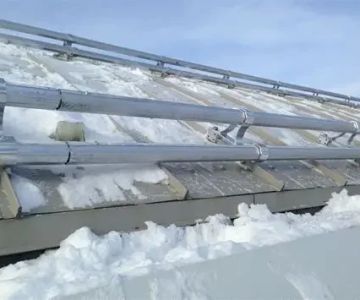
- Weather Delays: Snow, rain, and freezing temperatures can halt the roofing project, leading to delays and potentially leaving your home exposed to the elements.
- Roofing Material Availability: Some roofing materials, like certain adhesives or sealants, may not perform well in cold weather, which could delay the project further.
Despite these challenges, roof replacements during winter are possible, especially if the job is urgent. In such cases, professional roofing contractors will take precautions to ensure the materials are applied correctly, and the project progresses smoothly.
4. Cost Considerations in Different Seasons
The cost of replacing your roof can fluctuate depending on the time of year you choose. Here’s a breakdown of what to expect:
- Spring and Fall: These are considered off-peak seasons, so labor costs tend to be lower. Contractors are more likely to offer discounts or promotions during these months to secure jobs.
- Summer: The summer months are peak roofing season, which means higher demand and, in turn, higher prices. Expect to pay premium prices for labor and materials during this time.
- Winter: While winter may offer lower labor costs due to decreased demand, additional costs may arise from heating equipment or more frequent project delays due to weather conditions.
Cost should not be the only factor when deciding when to replace your roof, but it's certainly an important one to consider to stay within your budget.
5. How Weather Conditions Affect Roofing
Weather conditions play a significant role in the longevity and performance of your new roof. Here's how different weather conditions can impact your roof replacement project:
- Rain: Rain delays roofing work, as it can cause damage to materials or make it unsafe to work. If rain is expected, roofing contractors may reschedule to avoid unnecessary risks.
- Wind: High winds can make roof replacement dangerous, especially when dealing with lightweight materials like shingles. Wind can also blow debris onto your roof or cause installation issues.
- Temperature: The temperature impacts how roofing materials, such as shingles and adhesives, react. If it’s too hot or too cold, the materials may not adhere properly, leading to long-term issues.
To minimize weather-related risks, it's important to schedule your roof replacement during a season with stable weather conditions. Properly planned roof installations will ensure the materials perform as expected and last longer.
For more tips on roofing and to find the best roofing services near you, visit Total Roofing Hub, where we offer expert advice, services, and top-rated roofing products to suit your needs.
 Skyline Designs Roofing5.0 (99 reviews)
 Perfect Roofing Installations4.0 (60 reviews)
 Dog Tags Construction LLC4.0 (16 reviews)
 Gutter Shutter of Central Maryland5.0 (9 reviews)
 Sam Cline Handyman Services4.0 (37 reviews)
 Paramount Builders Inc.4.0 (302 reviews)
 Should I Repair or Replace My Roof?
 Top 10 Signs Your Roof Needs Immediate Repair Before It’s Too Late
 The Pros and Cons of Vinyl Siding: Is It the Right Choice for Your Home?
 How to Choose a Reliable Roofing Contractor Near You – Expert Tips
 Top 10 Signs Your Roof Needs Immediate Repair You Shouldn’t Ignore
 How to Spot Hail Damage on Your Roof | Quick Guide for Homeowners